Every gardener, from seasoned pros to enthusiastic beginners, eventually faces those frustrating moments when plants just aren’t thriving. Whether it’s unwelcome pests munching on leaves, mysterious spots appearing overnight, or simply plants looking a bit sad, garden problems are an inevitable part of the journey. But what if we told you that many of these common issues have simple, natural fixes right at your fingertips? At Garden – L. Quyên, we believe in nurturing your garden and the environment, which is why we’re sharing our favorite eco-friendly solutions to keep your green space vibrant and healthy!
Forget harsh chemicals and embrace the power of nature. These methods are not only safer for your plants, family, and pets, but they also contribute to a healthier ecosystem in your garden. Let’s dive into some of the most frequent garden dilemmas and their brilliant natural remedies!
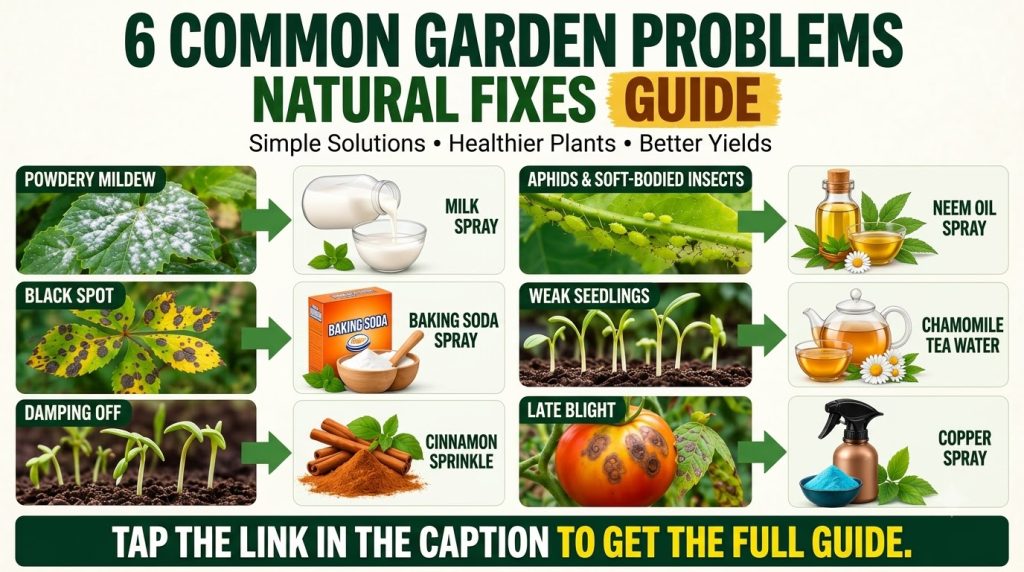
1. Powdery Mildew: The White Dust Menace
Powdery mildew is one of the most widespread fungal diseases in gardens, often appearing as white, powdery spots on the leaves, stems, and even flowers of various plants like squash, cucumbers, roses, and lilacs. It can weaken plants, stunt growth, and reduce yields if left unchecked.
The Natural Fix: Baking Soda Spray
Baking soda, a household staple, is a surprisingly effective fungicide! It works by altering the pH on the leaf surface, making it inhospitable for fungal spores to grow.
How to Make and Use It:
- Mix 1 tablespoon of baking soda with 1 teaspoon of liquid soap (like Castile soap or a gentle dish soap, avoiding detergents with degreasers) in 1 gallon of water.
- Stir well until the baking soda is completely dissolved.
- Pour the solution into a spray bottle.
- Spray affected plants thoroughly, ensuring to cover both the top and bottom of the leaves. Apply in the early morning or late evening to prevent leaf burn, especially on hot, sunny days.
- Repeat every 7-10 days, or after rain, until the mildew disappears.
This spray is great for prevention too! Regular application can help keep powdery mildew at bay.
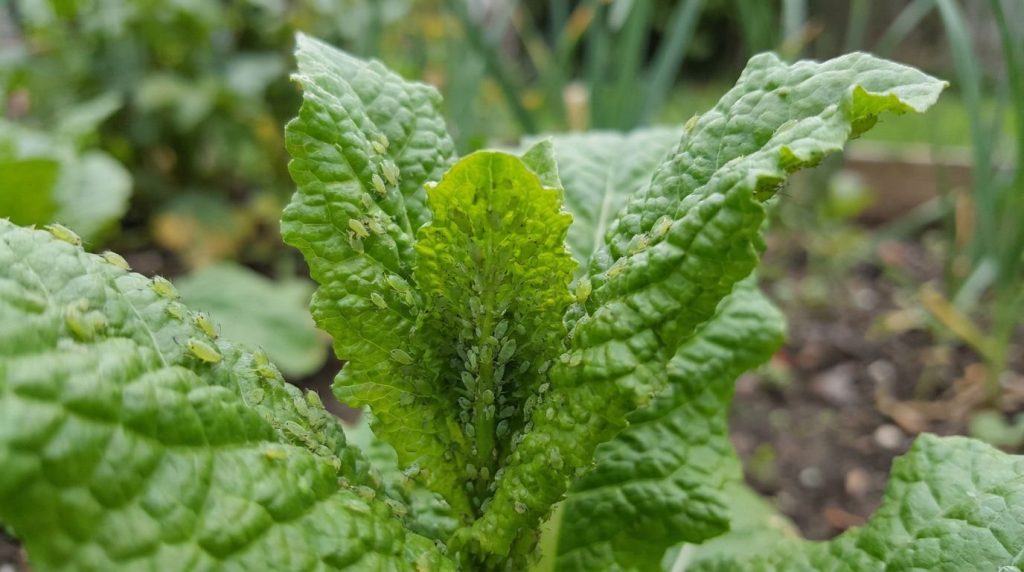
2. Aphids and Other Soft-Bodied Pests
Aphids, spider mites, and whiteflies are tiny, sap-sucking insects that can quickly multiply and wreak havoc on your plants, causing distorted leaves, sticky residue (honeydew), and stunted growth. They are a common nuisance for many gardeners.
The Natural Fix: Neem Oil or Dish Soap Spray
Neem oil, derived from the neem tree, is a powerful organic pesticide that disrupts the lifecycle of many pests without harming beneficial insects like bees and ladybugs. For a quicker, simpler fix, a basic dish soap solution can also work wonders.
How to Make and Use Them:
- Neem Oil Spray: Mix 1-2 tablespoons of cold-pressed neem oil with 1 teaspoon of liquid soap (emulsifier) in 1 gallon of water. Spray thoroughly on all plant surfaces, including undersides of leaves, until dripping wet. Apply weekly or bi-weekly as a preventative or to control active infestations.
- Dish Soap Spray: Mix 1-2 teaspoons of mild liquid dish soap (avoiding antibacterial or concentrated varieties) in 1 quart of water. Spray directly onto pests, making sure to coat them thoroughly. The soap suffocates them. Repeat every few days until the pests are gone. Always test on a small leaf first to ensure no adverse reaction.
3. Weak Seedlings or Poor Plant Growth
Are your young plants looking leggy, yellow, or simply not flourishing? This can often be due to nutrient deficiencies, poor soil, or incorrect watering.
The Natural Fix: Nutrient-Rich Compost Tea
Compost tea is a liquid fertilizer made by steeping compost in water, creating a nutrient-dense tonic that provides a gentle boost to plant health and soil microbes.
How to Make and Use It:
- Fill a breathable bag (like a mesh bag or old pantyhose) with about 2 cups of mature compost.
- Place the bag in a 5-gallon bucket filled with water (preferably rainwater or dechlorinated tap water).
- Let it steep for 1-3 days, stirring occasionally. The water should turn a light brown color.
- Remove the compost bag and dilute the ‘tea’ with more water until it looks like weak iced tea.
- Use it to water your plants at the base or as a foliar spray to provide a gentle, natural feed.
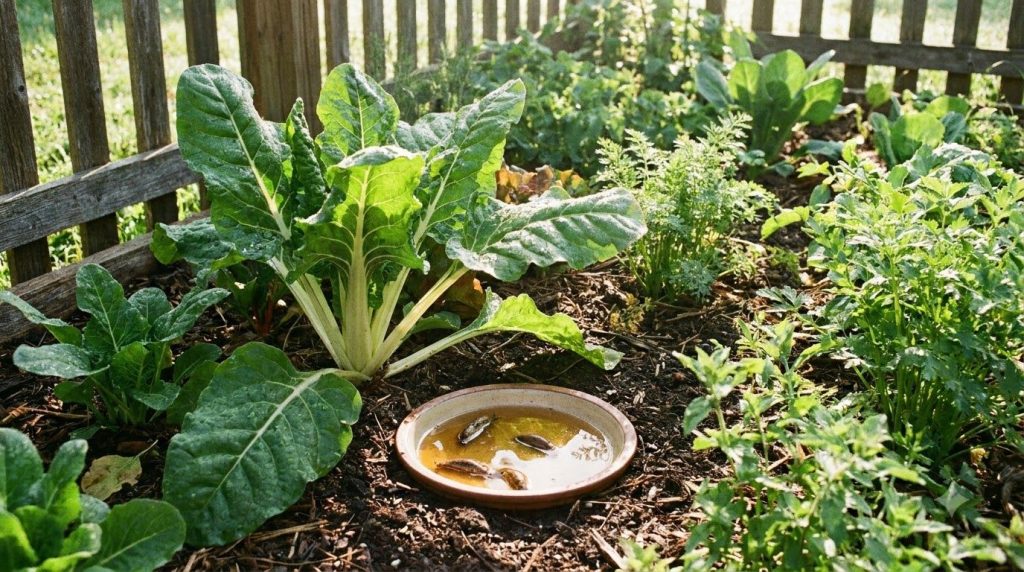
4. Slugs and Snails: The Leaf-Munching Menace
These slimy creatures love to feast on tender plant leaves, leaving behind tell-tale slime trails and ragged holes. They are especially active in damp conditions.
The Natural Fix: Beer Traps or Diatomaceous Earth
There are a couple of great natural ways to deter slugs and snails from your prized plants.
How to Use Them:
- Beer Traps: Bury shallow dishes (like tuna cans) up to their rim in the garden soil near affected plants. Fill them with inexpensive beer. Slugs and snails are attracted to the yeast, fall in, and drown. Empty and refill regularly.
- Diatomaceous Earth (DE): This finely crushed fossilized algae acts as a natural abrasive and desiccant. Sprinkle a barrier of food-grade DE around plants. When slugs and snails crawl over it, it dehydrates and kills them. Reapply after rain.
General Principles for a Healthy, Naturally Protected Garden
Beyond these specific fixes, embracing holistic gardening practices can significantly reduce your garden’s vulnerability to problems:
- Healthy Soil: Rich, well-draining soil is the foundation of strong plants. Amend your soil with compost regularly to improve its structure and nutrient content.
- Proper Watering: Water deeply and consistently, preferably in the morning, to encourage deep root growth and allow foliage to dry before nightfall, reducing fungal issues.
- Good Air Circulation: Space plants appropriately and prune for good air circulation to deter fungal diseases.
- Companion Planting: Some plants naturally deter pests or attract beneficial insects. For example, marigolds can deter nematodes, and dill attracts predatory wasps.
- Regular Observation: Spend time in your garden, inspecting your plants closely. Early detection of problems makes them much easier to manage naturally.
Embracing natural fixes for common garden problems is a rewarding step towards a more sustainable and vibrant garden. You’ll not only solve immediate issues but also contribute to a healthier environment for your plants, pollinators, and loved ones. Happy gardening, everyone!