Eggs are a true staple in many kitchens worldwide, celebrated for their versatility, affordability, and impressive nutritional profile. They offer a fantastic source of high-quality protein, essential vitamins, and minerals, making them a cornerstone of a healthy diet. But with so many ways to prepare them, have you ever wondered if your favorite method is the ‘healthiest’? Let’s crack open the details of boiled, scrambled, and fried eggs to help you make informed choices for your wellness journey.
The Nutritional Power of Eggs
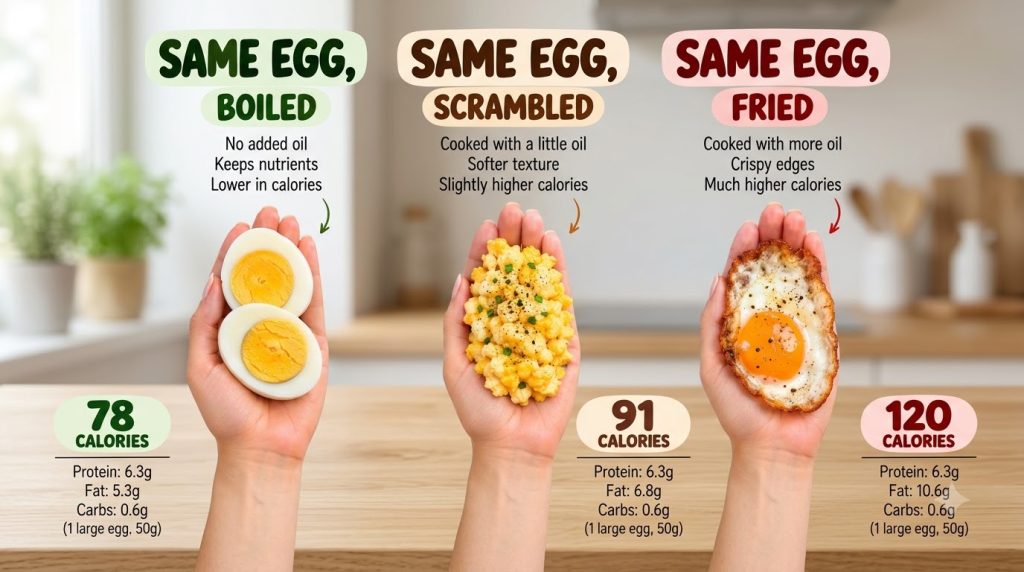
Before diving into preparation methods, let’s briefly acknowledge why eggs are so good for you. A single large egg contains about 70-80 calories, 6 grams of protein, and a wealth of vitamins and minerals, including Vitamin D, B12, selenium, and choline. This powerhouse combination supports everything from muscle repair and brain function to immune health and energy production. The key difference in nutritional impact often comes down to what you add to them and how you cook them.
Boiled Eggs: Simple & Pure
Boiled eggs, whether soft or hard, are arguably the simplest and purest way to enjoy eggs. They require only water and a pot, meaning no additional fats or oils are typically used in their preparation.
Preparation
- Hard-boiled: Cooked in boiling water until the yolk and white are firm.
- Soft-boiled: Cooked for less time, resulting in a firm white and a runny, creamy yolk.
Nutritional Profile
Since nothing is added during cooking, boiled eggs retain their natural nutritional value. They are an excellent source of lean protein and essential nutrients, with minimal calories from fat unless you add butter or mayonnaise later.
Benefits
- Easy and convenient: Perfect for meal prepping, snacking, or adding to salads.
- Low in fat and calories: If consumed plain, they are a great option for those managing their weight.
- Portable: A quick and healthy on-the-go snack.
Scrambled Eggs: Fluffy & Versatile
Scrambled eggs are a popular breakfast choice, known for their fluffy texture and ability to incorporate various ingredients.
Preparation
Typically, eggs are whisked and then cooked in a pan, often with a small amount of butter or oil. Many recipes also call for a splash of milk or cream to achieve a creamier consistency.
Nutritional Profile
The nutritional value of scrambled eggs can vary significantly based on the additions. Using butter or excessive oil will increase the fat and calorie content. Adding cheese, milk, or cream will also contribute to higher calorie, fat, and sometimes sodium levels.
Benefits
- Quick to cook: A fast breakfast option.
- Versatile: Easy to incorporate vegetables like spinach, bell peppers, or onions for added nutrients and fiber.
- Comforting texture: The soft, creamy texture is appealing to many.
Fried Eggs: Crispy Edges & Runny Yolk
Fried eggs, with their distinctive crispy edges and often runny yolk, offer a unique texture and flavor experience.
Preparation
Eggs are cracked directly into a hot pan, usually with butter or oil, and cooked until the whites are set and the yolk reaches the desired consistency (runny, medium, or hard).
Nutritional Profile
Similar to scrambled eggs, the nutritional impact of fried eggs is heavily influenced by the amount and type of fat used in frying. Frying in generous amounts of butter or unhealthy oils can significantly increase saturated fat and calorie intake.
Benefits
- Flavor and texture: The combination of crispy whites and a rich yolk is a favorite for many.
- Quick preparation: Can be cooked relatively fast.
- Pairs well: Excellent topping for toast, rice dishes, or salads.
Which Egg is “Healthiest”? It Depends!
When it comes to determining the “healthiest” way to cook an egg, there isn’t a single answer that fits everyone. Generally, the method that uses the least amount of added unhealthy fats will be the most beneficial. Therefore:
- Boiled eggs often come out on top due to their minimal preparation requirements, which means no added fats or oils.
- Poached eggs are another excellent option, cooked in hot water without any added fat, making them nutritionally similar to boiled eggs.
- Scrambled and fried eggs can be just as healthy if prepared mindfully.
Tips for Healthier Egg Preparations
No matter your preference, you can make your egg dishes healthier with a few simple adjustments:
- Use healthy fats sparingly: Opt for a small amount of olive oil, avocado oil, or a light spray of cooking oil when scrambling or frying.
- Incorporate vegetables: Boost the nutrient content by adding spinach, mushrooms, tomatoes, or bell peppers to your scrambled eggs or alongside your fried eggs.
- Choose whole grains: Serve your eggs with whole-grain toast or a side of quinoa instead of refined carbohydrates.
- Control portion sizes: While eggs are nutritious, moderation is always key.
Embrace Your Egg-cellent Choices!
Ultimately, the best way to enjoy eggs is the way that fits your taste and dietary goals, prepared with health in mind. Whether you prefer the simplicity of a hard-boiled egg, the fluffy goodness of scrambled, or the satisfying texture of a fried egg, understanding the nutritional implications of each method empowers you to make choices that support your overall wellness. Eggs remain a versatile, delicious, and nutrient-dense food that can be a valuable part of a balanced diet.
Disclaimer: This article is for informational purposes only and does not constitute medical advice. Always consult with a qualified healthcare professional for any health concerns or before making any changes to your diet or lifestyle.