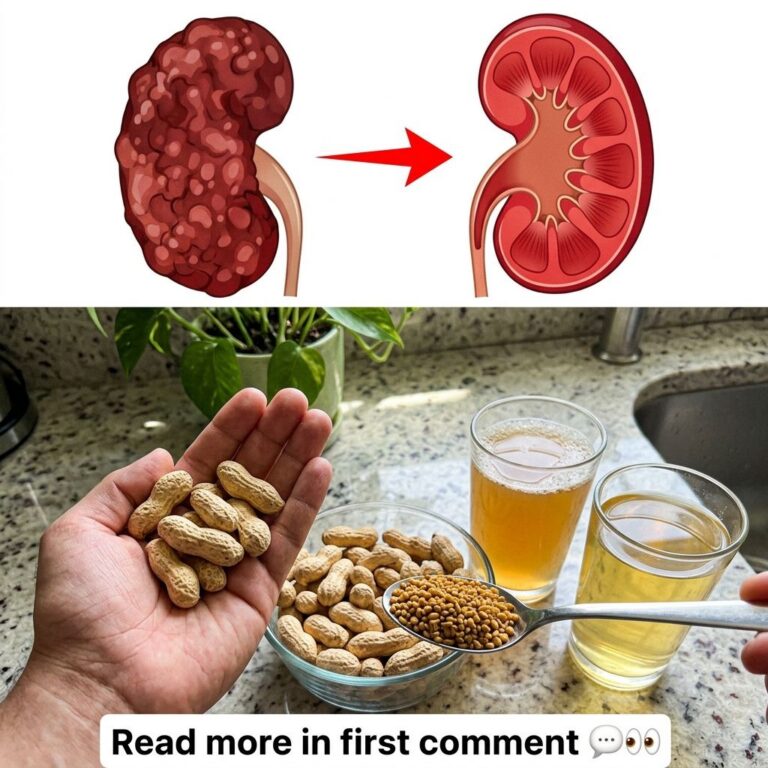
Most people ignore this, but what you eat daily has a profound effect on your kidneys.
It’s easy to focus on broad health goals, but the specific foods we put into our bodies each day can quietly shape the health of vital organs like our kidneys. While many conversations around diet and health often revolve around weight or heart health, the impact on your kidneys—which tirelessly filter waste from your blood—is often overlooked.
Surprisingly, one key area often missed is the nuanced role of fats in your diet. It’s not just about avoiding ‘bad’ fats, but actively choosing the ‘right’ fats and incorporating specific supportive ingredients that can make a world of difference. This isn’t about drastic changes, but smart, consistent choices that empower your body’s natural filtration system.
Let’s dive into how certain fats can either burden or bolster your kidneys, and a simple, natural aid you might be missing.
What It Is: Supporting Kidney Health Through Diet
This remedy isn’t a single pill or quick fix, but a practical approach to kidney support centered on dietary choices and a simple daily tonic. We’ll focus on understanding beneficial fats and introducing an easy-to-make fenugreek water, known for its potential to aid metabolic health, which in turn supports kidney function.
Your kidneys play a crucial role in maintaining overall health by removing toxins, balancing electrolytes, and producing hormones. Chronic inflammation, high blood pressure, and uncontrolled blood sugar are common culprits that can stress these vital organs. Our approach directly addresses these factors through mindful eating and natural support.
You may also like: Easy Liver Detox Juice: A Daily Ritual
Key Players: Healthy Fats & Fenugreek
To support your kidneys, we’re looking at two main components: incorporating healthy fats and preparing a fenugreek seed tonic.
Ingredients for Kidney-Friendly Diet & Fenugreek Water:
- Healthy Fats:
- Raw peanuts (unsalted, unroasted)
- Avocados
- Olive oil (extra virgin)
- Fatty fish (e.g., salmon, sardines)
- Nuts and seeds (walnuts, chia seeds, flax seeds)
- Fenugreek Seed Tonic:
- 1-2 teaspoons Fenugreek seeds (whole, organic if possible)
- 1 cup filtered water
Approximate Measurements & Formula
For daily fenugreek water:
- Fenugreek seeds: 1-2 teaspoons
- Water: 1 cup (240ml)
For healthy fats: Aim for a handful of peanuts or a quarter of an avocado daily, or 1-2 tablespoons of olive oil in cooking/dressing.
Quick Tip: Fresh vs. Roasted Peanuts
While roasted peanuts are a common snack, raw, unsalted peanuts are often preferred for their higher nutritional integrity, especially when focusing on specific health benefits. Roasting can sometimes degrade beneficial compounds and healthy fats. Always choose raw and unsalted when possible to avoid added sodium, which can be taxing on the kidneys.
Step-by-Step Method: Preparing Your Fenugreek Water
- Soak Overnight: Place 1-2 teaspoons of fenugreek seeds into a glass or small jar. Pour 1 cup of filtered water over the seeds. Cover loosely and let soak at room temperature overnight (6-8 hours).
- Strain & Drink: In the morning, strain the seeds from the water. You can discard the seeds or sprout them for salads (see Practical Tips).
- Consume: Drink the fenugreek-infused water on an empty stomach, ideally 30 minutes before your first meal.
How to Use: Integrating Into Your Daily Routine
Beyond the fenugreek water, consistently incorporate healthy fats:
- Snacks: A small handful of raw peanuts or other nuts/seeds.
- Meals: Use olive oil for salad dressings or light cooking. Add avocado slices to salads or sandwiches.
- Fenugreek Water: Drink daily as described above.
How Often to Use
- Fenugreek Water: Daily, preferably in the morning.
- Healthy Fats: Daily, as part of your regular meals and snacks. Consistency is key for long-term benefits.
How to Buy / How to Choose Ingredients
- Fenugreek Seeds: Look for whole, organic fenugreek seeds from a reputable spice vendor or health food store. Ensure they are free from additives and preservatives.
- Peanuts: Choose raw, unsalted, unroasted peanuts. If possible, buy them in their shell to ensure freshness and purity.
- Oils: Opt for extra virgin olive oil in dark glass bottles to protect it from light and maintain its quality.
Storage
- Fenugreek Seeds: Store in an airtight container in a cool, dark place, away from direct sunlight and moisture. They can last for several months.
- Peanuts: Store raw peanuts in an airtight container in a cool, dry place. For longer shelf life, especially after shelling, you can store them in the refrigerator or freezer.
- Fenugreek Water: Prepare fresh daily. Do not store the strained water for more than 24 hours.
Practical Tips for Kidney Support
- Hydration is Key: In addition to fenugreek water, ensure you drink plenty of plain filtered water throughout the day.
- Balance Sodium: Minimize processed foods, which are often high in sodium, to reduce the burden on your kidneys.
- Consider Sprouting Fenugreek: After soaking, you can rinse the fenugreek seeds and let them sprout for a day or two. Sprouted fenugreek can be added to salads for an extra nutritional boost.
- Mindful Protein: If you have existing kidney concerns, consult a doctor about appropriate protein intake.
Common Mistakes to Avoid
- Using Salted/Roasted Peanuts: The added sodium in salted peanuts can counteract the kidney-supporting benefits. Always opt for raw and unsalted.
- Boiling Fenugreek Seeds: While some recipes suggest boiling, soaking is preferred for fenugreek water as it preserves heat-sensitive compounds and allows for a gentler extraction.
- Ignoring Water Quality: Using tap water with high chlorine or other impurities can negate some of the benefits. Filtered water is always recommended.
- Overconsumption: More is not always better. Stick to the recommended 1-2 teaspoons of fenugreek seeds daily.
Cautions / Who Should Avoid It
While generally safe for most, fenugreek can interact with certain medications and conditions:
- Blood Thinners: Fenugreek may have blood-thinning properties. If you’re on anticoagulants, consult your doctor.
- Diabetes Medication: Fenugreek can lower blood sugar. Monitor your blood glucose levels closely if you’re taking diabetes medication.
- Pregnancy: Fenugreek can stimulate uterine contractions and should be avoided during pregnancy unless advised by a healthcare professional.
- Allergies: If you have allergies to chickpeas, peanuts, or other legumes, you might be sensitive to fenugreek.
Always consult your healthcare provider before starting any new dietary supplement, especially if you have pre-existing health conditions or are on medication.
Comparison Table: Fats for Kidney Health
| Fats to Prioritize | Fats to Limit/Avoid |
|---|---|
| Monounsaturated fats (Avocado, Olive Oil) | Trans fats (Hydrogenated oils, many processed snacks) |
| Polyunsaturated fats (Walnuts, Flax seeds, Fatty fish, Raw Peanuts) | Excessive saturated fats (High-fat dairy, red meat in large quantities) |
| Omega-3 fatty acids (Chia seeds, Flax seeds, Fatty fish) | Omega-6 fats in excess (Many vegetable oils, processed foods) |
See the full guide: Top 5 Kidney Cleansing Foods You Need to Know
Quick Summary for Kidney Support
- Best Preparation: Soaked fenugreek water; raw, unsalted peanuts.
- Best Use-Case: Daily morning tonic for fenugreek; healthy snack/meal addition for fats.
- Storage: Fenugreek seeds dry and cool; fresh fenugreek water daily; raw peanuts cool/refrigerated.
- When to Use: Daily for general kidney and metabolic support.
- What to Avoid: Salted/roasted peanuts, boiling fenugreek, skipping medical advice if conditions exist.
FAQ
- Can I use roasted fenugreek seeds for the water?
It’s best to use raw, whole fenugreek seeds for soaking, as roasting can alter their nutritional profile and may reduce the benefits of the water.
- How long does fenugreek water last?
It’s recommended to prepare and consume fenugreek water fresh daily. Do not store it for more than 24 hours.
- Can I reuse the fenugreek seeds after soaking?
While the initial soaking extracts many compounds, you can sprout the seeds for an additional nutritional boost or discard them. They won’t provide the same potency for a second batch of water.
- Is it safe to drink fenugreek water every day?
For most healthy individuals, daily consumption of 1-2 teaspoons worth of fenugreek water is generally considered safe. However, always listen to your body and consult a healthcare professional, especially if you have underlying conditions.
- What part of the peanut is best for kidney health?
The whole raw, unsalted kernel is beneficial. The skin also contains antioxidants, so consuming them with the skin on is often recommended.
- Can children consume fenugreek water?
It is generally not recommended for children without consulting a pediatrician due to its potent effects on blood sugar and hormones.
- What if I don’t like the taste of fenugreek water?
Fenugreek water has a slightly bitter taste. You can try adding a squeeze of lemon juice or a tiny amount of raw honey, but aim to keep it as pure as possible.
A Small Change, A Big Difference
It’s easy to dismiss the subtle impact of daily dietary choices, but when it comes to your kidneys, these small decisions accumulate into significant health outcomes. By consciously choosing beneficial fats and incorporating a simple fenugreek water tonic, you’re not just eating better—you’re actively supporting the resilience and longevity of your body’s crucial filtration system.
Start today, and give your kidneys the consistent, gentle support they deserve.
Continue with: Natural Remedies for Bloating and Gas Relief