Most people walk past it, dismissing it as just another wildflower. Yet, this unassuming plant with its delicate white flowers holds a fascinating history and a surprising array of practical uses that few truly know. Often called ‘soldier’s woundwort’ or ‘nosebleed plant,’ its traditional name, Yarrow (Achillea millefolium), hints at its storied past and the potent properties tucked within its feathery leaves and clustered blooms.
While the fruit gets the attention for many plants, with Yarrow, it’s the leaves and flowers that herbalists have cherished for centuries. If you’ve ever wondered about the quiet power of native plants, Yarrow offers a masterclass. Learning to identify, prepare, and use it correctly can unlock a truly practical remedy for everyday discomforts, from skin irritations to internal balance.
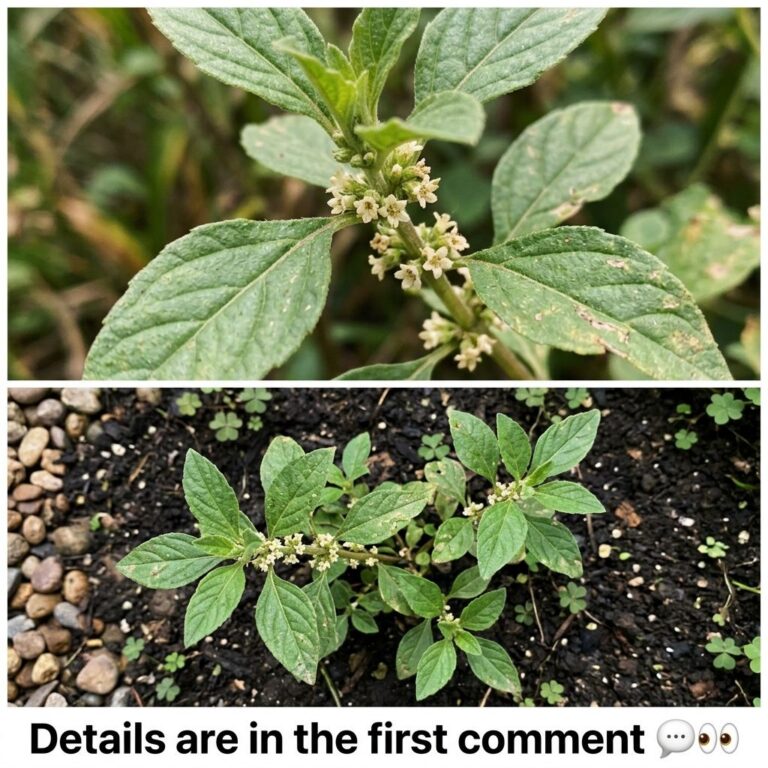
What is Yarrow (Achillea millefolium)?
Yarrow, scientifically known as Achillea millefolium, is a perennial flowering plant native to temperate regions across the Northern Hemisphere. It’s easily recognized by its distinctive fern-like, finely dissected leaves and flat-topped clusters of small, daisy-like flowers that are typically white, though sometimes pink or yellow. Historically, its use dates back to ancient times, with its botanical name ‘Achillea’ said to be derived from the Greek hero Achilles, who reportedly used it to stop bleeding in his soldiers’ wounds.
Beyond its historical lore, Yarrow is prized for its diverse chemical compounds, including flavonoids, alkaloids, and volatile oils, which contribute to its traditional applications. It’s particularly noted for its astringent, anti-inflammatory, and antispasmodic properties, making it a versatile herb for both internal and external remedies.
Ingredients for a Basic Yarrow Infusion
One of the simplest and most effective ways to utilize Yarrow is through a hot infusion, often referred to as Yarrow tea. This preparation is excellent for internal use (supporting digestion, easing menstrual discomfort) or as a topical wash/compress for skin issues.
- Dried Yarrow (leaves and flowers): 1-2 teaspoons
- Hot Water: 1 cup (just below boiling)
Approximate Measurements
For a standard cup of tea, 1 teaspoon of dried Yarrow is a good starting point. If using fresh Yarrow, you’ll need about 2-3 teaspoons of chopped leaves and flowers, as fresh herbs are less concentrated than dried.
Formula / Recipe: Yarrow Herbal Infusion
This simple formula can be adapted for drinking as a tea or using externally as a skin wash.
Step-by-Step Method
- Prepare Your Yarrow: If using dried Yarrow, measure out 1-2 teaspoons. If using fresh, gently rinse about 2-3 teaspoons of chopped leaves and flower tops.
- Heat Water: Bring 1 cup of fresh, filtered water to a near boil. It should be hot, but not aggressively boiling, which can degrade some delicate compounds.
- Combine: Place the Yarrow in a mug or a heat-safe jar. Pour the hot water over the herb.
- Steep: Cover the mug to keep the volatile oils from escaping. Let it steep for 10-15 minutes. For stronger therapeutic effects or external use, you can steep for up to 30 minutes.
- Strain: Strain the liquid through a fine-mesh sieve or cheesecloth into another cup, discarding the spent herb material.
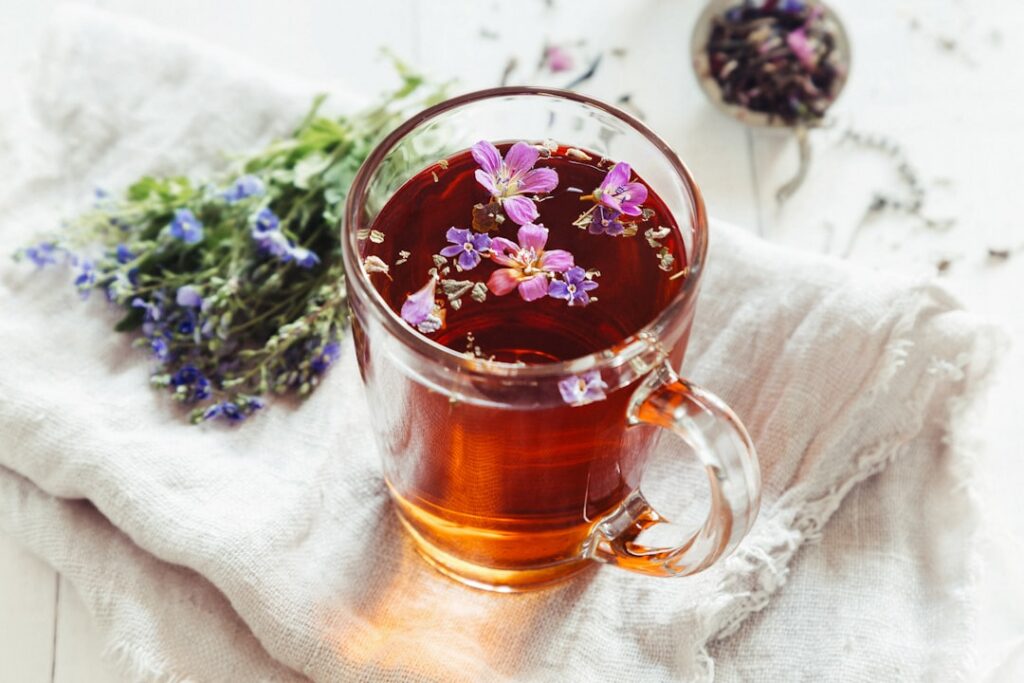
How to Use Your Yarrow Infusion
- As a Tea: Drink 1 cup, 1-3 times daily, for digestive support, to ease mild fevers (its diaphoretic properties promote sweating), or to alleviate menstrual cramps.
- As a Topical Wash/Compress: Allow the strained infusion to cool completely. Use a clean cloth or cotton pad soaked in the infusion to gently cleanse minor cuts, scrapes, rashes, or irritated skin. For a compress, apply the saturated cloth to the affected area for 15-20 minutes.
How Often to Use
For internal use, it’s generally recommended to use Yarrow tea for short periods (up to a few weeks) as needed, rather than continuous daily use for months. For topical applications, you can use it 2-3 times daily until the skin irritation subsides.
Quick Tip: For enhanced soothing properties on the skin, you can add a few drops of calendula tincture to your cooled Yarrow infusion before applying topically.
How to Buy / How to Choose Ingredients
Sourcing quality Yarrow is key to an effective remedy.
- Dried Yarrow: Look for organic, cut and sifted Yarrow from reputable herbal suppliers. The plant material should have a vibrant green color and a distinct, slightly camphoraceous aroma. Avoid dull-looking or dusty batches.
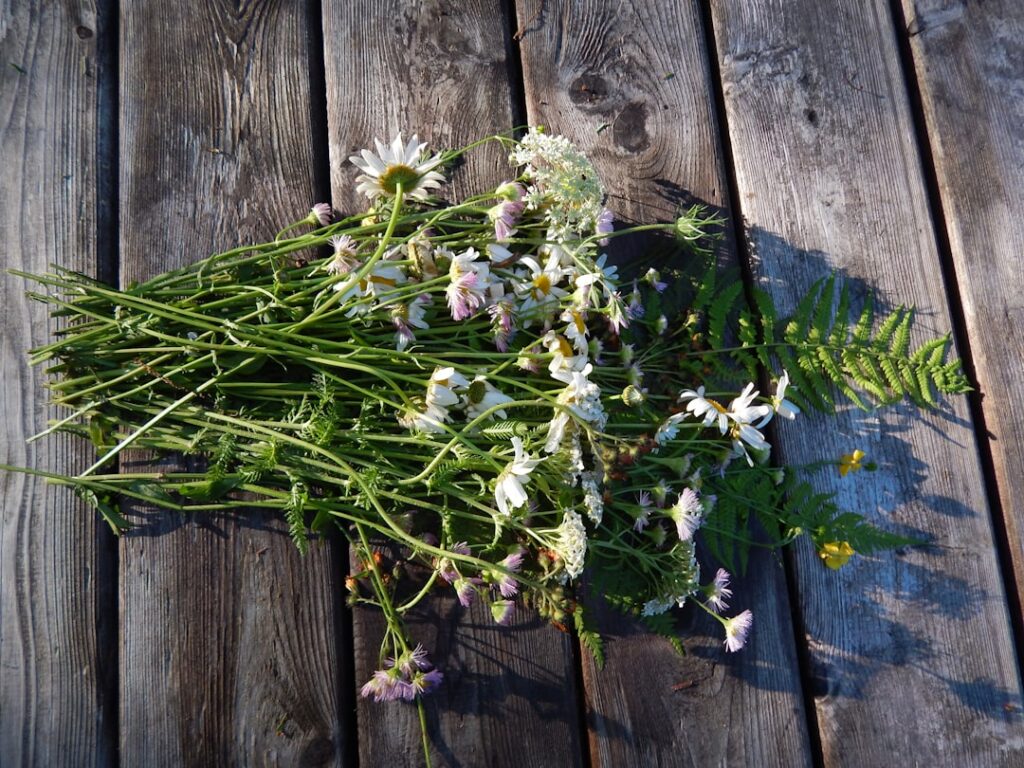
- Fresh Yarrow: If wildcrafting, ensure you can positively identify Yarrow (avoid confusion with hemlock or wild carrot, which can be toxic). Harvest from areas free of pesticides, herbicides, and pollutants. Pick the aerial parts (leaves and flowers) in late spring to early summer when the plant is in bloom.
Storage
- Dried Yarrow: Store dried Yarrow in an airtight container away from direct sunlight, heat, and moisture. A cool, dark pantry is ideal. It can maintain potency for up to 1-2 years.
- Fresh Yarrow: Use fresh Yarrow immediately. If you need to store it for a short time, wrap it loosely in a damp paper towel and place it in the refrigerator for 1-2 days.
- Prepared Infusion: Yarrow infusion should be refrigerated and used within 24-48 hours. Discard if it develops any off-smell or cloudiness.
Practical Tips
Beyond the basic infusion, Yarrow offers more versatility:
- Steam Inhalation: For respiratory congestion, add a strong Yarrow infusion to a bowl of hot water and inhale the steam (with a towel over your head) for 5-10 minutes.
- Herbal Bath: Add a strong, strained Yarrow infusion to your bathwater to help soothe irritated skin or promote relaxation.
- Infused Oil: For a longer-lasting topical remedy, you can infuse dried Yarrow into a carrier oil (like olive or jojoba oil) for several weeks, then strain. This oil can be used for massage on sore muscles or dry skin.
Common Mistakes to Avoid
- Misidentification: The most critical mistake is confusing Yarrow with toxic look-alikes like Poison Hemlock or Water Hemlock. Always be 100% certain of identification if wildcrafting.
- Boiling the Herb: Never boil delicate herbs like Yarrow. High heat can destroy volatile oils and therapeutic compounds. Always use hot, not boiling, water for infusions.
- Over-Steeping: While a longer steep is good for some infusions, over-steeping Yarrow can make the tea excessively bitter.
- Ignoring Quality: Using old, dusty, or discolored Yarrow will result in a less effective remedy. Freshness matters.
- Continuous Long-Term Use: For internal use, Yarrow is best used intermittently rather than as a daily staple for extended periods without professional guidance.
| Feature | Fresh Yarrow | Dried Yarrow |
|---|---|---|
| Potency | Often higher in volatile oils; milder flavor. | Concentrated, but some volatile oils may degrade over time; stronger flavor. |
| Availability | Seasonal (late spring to early fall). | Year-round from suppliers. |
| Preparation | Requires more plant material; rinse thoroughly. | Less material needed; easy to measure. |
| Storage | Perishable (1-2 days refrigerated). | Long-lasting (1-2 years in airtight container). |
| Best For | Poultices, fresh compresses, immediate use. | Teas, tinctures, infused oils, long-term storage. |
Cautions / Who Should Avoid It
While generally safe for most, some individuals should exercise caution or avoid Yarrow:
- Pregnancy and Breastfeeding: Yarrow is traditionally considered an emmenagogue (stimulates blood flow in the uterus and pelvic area), and its use is generally discouraged during pregnancy. There’s insufficient data on breastfeeding.
- Allergies: Individuals with allergies to plants in the Asteraceae/Compositae family (e.g., ragweed, chamomile, marigolds) may experience an allergic reaction to Yarrow.
- Blood Thinners: Yarrow has mild blood-thinning properties and could interact with anticoagulant medications. Consult a healthcare provider if on blood thinners.
- Photosensitivity: Topical application of Yarrow, especially fresh plant material, can increase skin sensitivity to sunlight in some individuals.
Quick Summary
- Best Preparation: Hot infusion (tea) for internal use or topical wash.
- Best Use-Case: Digestive aid, fever support, menstrual comfort, minor skin irritations (cuts, scrapes, rashes).
- Storage: Dried Yarrow in airtight containers for 1-2 years; infusion refrigerated for 24-48 hours.
- When to Use: As needed for acute issues, not for long-term daily consumption without guidance.
- What to Avoid: Misidentification, boiling the herb, prolonged internal use, and use during pregnancy or if allergic to related plants.
FAQ
- Can I use fresh or dried Yarrow for the infusion?
Both can be used. Use about twice as much fresh Yarrow as dried (e.g., 2-3 tsp fresh vs. 1 tsp dried) as fresh is less concentrated. - How long does Yarrow tea last?
A freshly prepared infusion should be consumed within 24-48 hours if refrigerated. - Can I refrigerate the leftover Yarrow infusion?
Yes, store it in an airtight container in the refrigerator for up to 2 days. - How often should I use Yarrow tea?
For acute conditions, 1 cup, 1-3 times daily for a few days to a week. For skin issues, apply topically 2-3 times daily. - What part of the Yarrow plant is best to use?
The aerial parts – leaves and flowering tops – are typically used for infusions and topical remedies. - When should I avoid Yarrow?
Avoid if pregnant, breastfeeding, allergic to Asteraceae family plants, or on blood-thinning medication. - Can Yarrow make me sleepy?
While not a primary sedative, its relaxing and anti-inflammatory properties can contribute to a sense of calm and may aid sleep, especially if discomfort is relieved.
The secret power of Yarrow isn’t a hidden magic trick, but rather the culmination of centuries of traditional wisdom and a deeper understanding of nature’s subtle pharmacy. By embracing its simple preparation, you can tap into a practical and versatile remedy that many overlook, bringing a touch of ancient herbal knowledge into your modern wellness routine.
You may also like: DIY Herbal Poultice for Skin Relief
Read more: Understanding Natural Anti-Inflammatory Herbs