When you’re nurturing a green friend, whether it’s a vibrant flower, a lush indoor plant, or a bountiful vegetable, the pot you choose for it plays a much bigger role than just looking pretty. In fact, the material of your pot can significantly impact the health and survival of your plant’s roots, which are its lifeline!
Many gardeners, especially beginners, often overlook the crucial connection between pot material and root temperature, moisture retention, and aeration. But understanding this can transform your gardening success, helping you grow healthier, happier plants. Let’s dig into how different pot materials affect your plant’s vital root system.
The Science Behind Pot Materials and Root Health
Plant roots need a balanced environment to thrive. This includes consistent moisture, adequate oxygen, and stable temperatures. Different pot materials excel or fall short in providing these conditions, primarily due to their:
- Porosity: How easily air and water can pass through the material.
- Insulation: How well the material can shield roots from external temperature fluctuations.
- Color: Darker colors absorb more heat, lighter colors reflect it.
Let’s explore common pot materials and their unique characteristics.
Common Pot Materials and Their Impact
1. Terracotta (Unglazed Clay) Pots
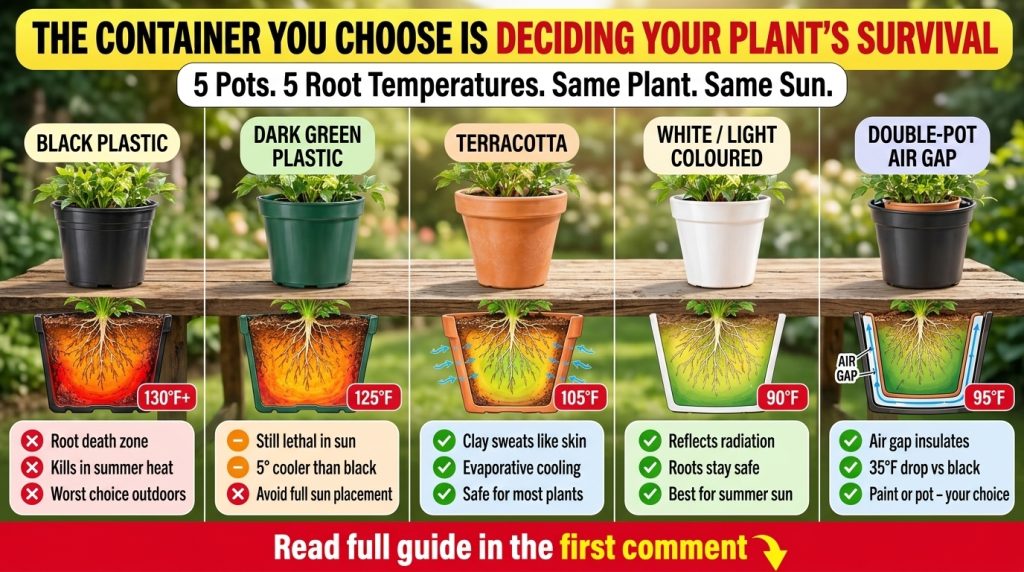
These classic, earthy pots are a favorite for a reason. Their porous nature allows for excellent air circulation to the roots and promotes evaporative cooling.
- Pros: Excellent breathability, helps prevent root rot, roots stay cooler due to evaporation, ideal for plants that prefer drier soil (like succulents and cacti).
- Cons: Dries out quickly, requiring more frequent watering, heavy and fragile, can accumulate mineral salts on the exterior.
2. Plastic Pots (Light vs. Dark)
Plastic pots are lightweight and affordable, making them a popular choice. However, their non-porous nature means they retain moisture, which can be a double-edged sword.
- Pros: Retain moisture well (less frequent watering), lightweight, durable, inexpensive, come in many colors and styles.
- Cons: Poor breathability (can lead to root rot if overwatered), roots can overheat in direct sun, especially in dark-colored pots. Dark plastic absorbs significant heat, leading to higher soil temperatures, while lighter plastic reflects more heat, keeping roots cooler.
3. Glazed Ceramic Pots
Similar to plastic in terms of moisture retention, glazed ceramic pots are often chosen for their decorative appeal.
- Pros: Aesthetic appeal, retain moisture well, heavy (good for top-heavy plants).
- Cons: Non-porous (poor breathability), very heavy, can be expensive and fragile, can lead to root overheating if exposed to direct sun, similar to dark plastic.
4. Fabric Grow Bags
A relatively newer option, fabric pots are made from breathable, felt-like material.
- Pros: Exceptional aeration and drainage, prevents root circling (a process called ‘air pruning’), roots stay cooler, lightweight and foldable for storage.
- Cons: Dries out very quickly (requires frequent watering), may degrade over time, not always aesthetically pleasing for all garden designs.
5. Wooden Containers
Wooden planters, like whiskey barrels or raised beds, offer a natural look and good insulation.
- Pros: Good insulation from temperature extremes, aesthetically pleasing, sturdy.
- Cons: Can rot over time, heavy when filled, can harbor pests or diseases, may leach chemicals if treated wood is used.
Choosing the Right Pot for Your Plant and Climate
The best pot material depends on several factors:
- Plant Type: Succulents and cacti thrive in terracotta, while moisture-loving plants might prefer plastic or glazed pots.
- Climate: In hot climates, porous pots (terracotta, fabric) or light-colored plastic pots help keep roots cool. In cooler climates, non-porous pots retain warmth better.
- Watering Habits: If you tend to overwater, breathable pots are your friend. If you forget to water, moisture-retentive pots might be a better fit.
- Location: Pots in full sun will benefit from lighter colors and breathable materials. Shadier spots are more forgiving.
Tips for Optimizing Pot Performance
- Ensure Drainage: Regardless of material, always ensure your pot has adequate drainage holes to prevent waterlogging and root rot.
- Choose the Right Potting Mix: A well-draining potting mix is crucial, especially in non-porous pots.
- Elevate Pots: Lift pots off the ground slightly to improve airflow underneath, especially for containers on patios or decks.
- Insulate in Extremes: In very hot or cold weather, you can insulate pots by placing them inside a larger decorative pot, wrapping them, or moving them to a more sheltered location.
- Monitor Soil Moisture: Regularly check the soil moisture, especially when trying a new pot material or plant.
By considering these factors and understanding the unique properties of each pot material, you can make informed decisions that will lead to healthier, more resilient plants in your garden or home. Happy gardening!