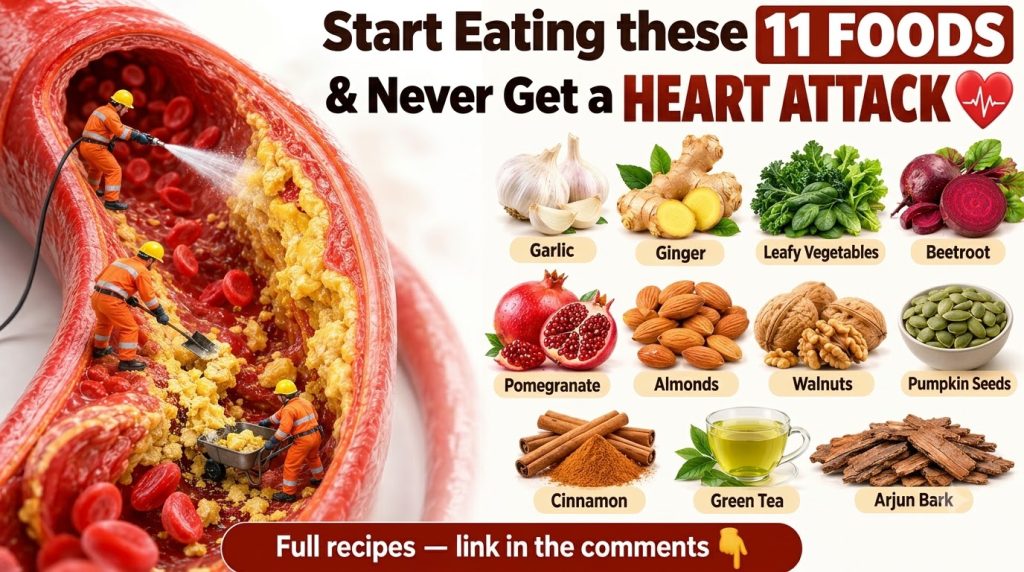
Supporting your heart health is a lifelong journey, and one of the most powerful tools in your arsenal is your diet. The foods we choose can have a profound impact on our cardiovascular system, from maintaining healthy blood pressure to keeping our arteries clear and free of plaque. Imagine tiny helpers diligently working inside your arteries, sweeping away anything that might impede blood flow – that’s the kind of support you can offer your heart through smart food choices.
While many foods contribute to overall well-being, certain natural ingredients stand out for their specific benefits to heart health. This article delves into how simple dietary additions can strengthen your circulatory system and potentially reduce the risk of cardiovascular issues. We’ll explore some key heart-healthy foods known for their remarkable properties.
The Science of a Healthy Heart: How Food Makes a Difference
Your cardiovascular system is a complex network, and its efficiency relies heavily on the health of your arteries. Over time, factors like diet, lifestyle, and genetics can contribute to the buildup of plaque – a sticky substance made of cholesterol, fatty substances, cellular waste products, calcium, and fibrin – along artery walls. This process, known as atherosclerosis, can narrow arteries, making it harder for blood to flow and increasing the risk of heart attack or stroke.
Fortunately, incorporating certain foods into your daily routine can offer powerful protective and supportive effects. Many heart-healthy foods are rich in antioxidants, anti-inflammatory compounds, and nutrients that help regulate blood pressure, improve cholesterol levels, and support the integrity of blood vessels. Think of these foods as the essential components that keep those “artery-clearing workers” strong and effective.
Spotlight on Heart-Healthy Heroes: Garlic, Ginger, and Pomegranate
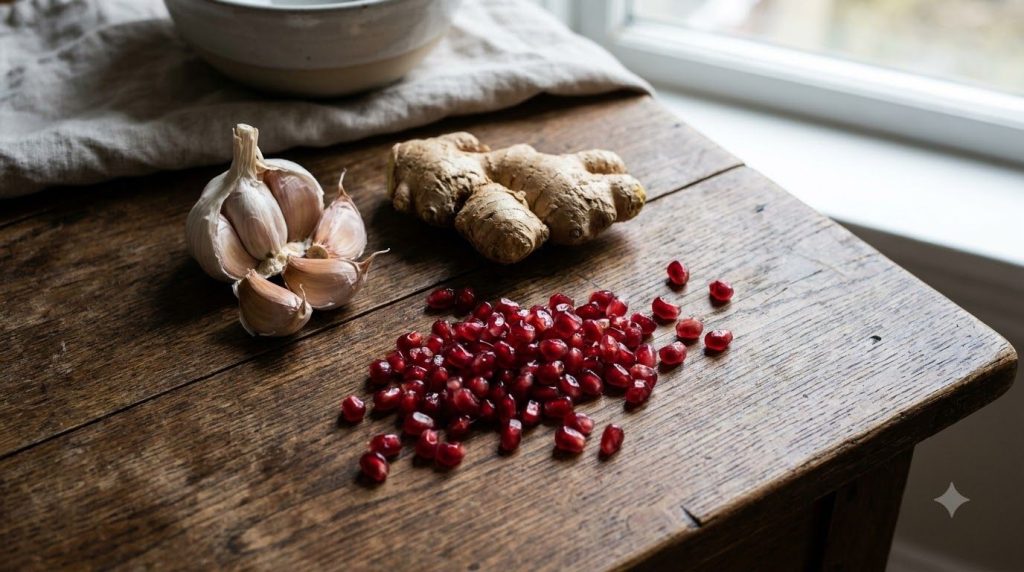
While a balanced diet encompassing a wide array of fruits, vegetables, whole grains, and lean proteins is crucial, some individual ingredients offer particularly noteworthy benefits. Let’s explore three such powerhouses – garlic, ginger, and pomegranate – and how you can easily incorporate them into your meals for better heart health.
Garlic: Nature’s Potent Protector
Garlic has been valued for centuries not just for its distinct flavor but also for its medicinal properties. Modern science continues to uncover the numerous ways garlic can support cardiovascular health.
- Blood Pressure Regulation: Compounds in garlic, particularly allicin, may help relax blood vessels and improve blood flow, which can contribute to healthy blood pressure levels.
- Cholesterol Management: Regular garlic consumption has been associated with modest reductions in total and LDL (“bad”) cholesterol.
- Anti-Inflammatory Effects: Chronic inflammation is a key factor in the development of heart disease. Garlic possesses anti-inflammatory properties that may help protect blood vessels.
How to Incorporate Garlic for Heart Health
Adding garlic to your diet is simple and delicious. Aim for 1-2 cloves of fresh garlic daily.
- Raw & Crushed: Crush or mince fresh garlic and let it sit for 5-10 minutes before cooking to activate allicin. Add it to salad dressings, salsas, or guacamole.
- Sautéed in Meals: Sauté minced garlic with olive oil as a base for stir-fries, pasta sauces, soups, and stews.
- Roasted: Roast whole garlic cloves with vegetables or alongside meats. Roasted garlic has a milder, sweeter flavor.
Ginger: The Zesty Anti-Inflammatory Root
Ginger, with its pungent flavor and warm aroma, is another ancient remedy revered for its health benefits, including its positive impact on the heart.
- Anti-Inflammatory Power: Gingerols, the main bioactive compounds in ginger, are powerful anti-inflammatory agents that can help reduce systemic inflammation – a key player in cardiovascular disease.
- Cholesterol & Blood Sugar Support: Some research suggests that ginger may help lower LDL cholesterol and triglyceride levels, and potentially aid in blood sugar control, which is vital for heart health.
- Circulation Boost: Ginger is traditionally known to promote healthy circulation.
How to Incorporate Ginger for Heart Health
You can enjoy ginger fresh, dried, or as a spice. Aim for about 1-2 grams of fresh ginger daily (roughly a 1-inch piece).
- Ginger Tea: Slice a 1-inch piece of fresh ginger root, place in a mug, and pour hot water over it. Let steep for 5-10 minutes. Add a squeeze of lemon or a touch of honey if desired.
- Smoothies: Add a small piece of peeled, fresh ginger to your morning smoothie for a zesty kick and health boost.
- Cooking: Grate fresh ginger into stir-fries, curries, soups, and marinades. It pairs well with both sweet and savory dishes.
Pomegranate: The Ruby-Red Antioxidant Powerhouse
Pomegranate is celebrated for its vibrant color and exceptional antioxidant content, making it a standout fruit for heart health.
- Powerful Antioxidants: Pomegranates are rich in polyphenols, especially punicalagins, which are potent antioxidants that help protect against oxidative stress and damage to artery walls.
- Blood Pressure Benefits: Studies suggest that pomegranate juice may help lower blood pressure.
- Artery Health: The antioxidants in pomegranate may help prevent the oxidation of LDL cholesterol, a crucial step in the development of atherosclerosis.
How to Incorporate Pomegranate for Heart Health
Enjoying pomegranate is both refreshing and beneficial. Aim for about ½ cup of seeds or 4-8 ounces of pure pomegranate juice daily.
- Fresh Seeds: Sprinkle fresh pomegranate seeds over salads, yogurt, oatmeal, or cottage cheese.
- Smoothies: Blend pomegranate seeds or pure juice into your favorite fruit smoothies.
- Juice: Drink pure, unsweetened pomegranate juice. Be mindful of portion sizes due to its natural sugar content.
Beyond These Foods: General Heart-Healthy Eating Tips
While these specific foods offer excellent benefits, remember that they are part of a larger picture. For comprehensive heart health, consider these general dietary guidelines:
- Eat More Fruits and Vegetables: Aim for a variety of colors to ensure a broad spectrum of nutrients.
- Choose Whole Grains: Opt for oats, brown rice, quinoa, and whole-wheat bread over refined grains.
- Include Healthy Fats: Incorporate sources like avocados, nuts, seeds, and olive oil.
- Limit Processed Foods: Reduce intake of foods high in added sugars, unhealthy fats, and sodium.
- Stay Hydrated: Drink plenty of water throughout the day.
FAQs About Heart-Healthy Foods
Q: Can these foods really “clear” my arteries?
A: While foods like garlic, ginger, and pomegranate contain compounds that may help reduce plaque buildup and improve artery health, they cannot “clear” severely blocked arteries on their own. They contribute to preventing further plaque formation and improving overall cardiovascular function. Always consult a healthcare professional for specific medical conditions.
Q: How quickly will I see benefits from eating these foods?
A: The benefits of incorporating heart-healthy foods are typically long-term and cumulative. While you may not notice immediate changes, consistent consumption over time, as part of a balanced diet and healthy lifestyle, can contribute significantly to better heart health.
Q: Are there any side effects or contraindications for garlic, ginger, or pomegranate?
A: Generally, these foods are safe for most people in culinary amounts. However, large doses of garlic or ginger might interact with blood-thinning medications. Pomegranate juice can interact with certain medications like statins. Always consult your doctor before making significant dietary changes, especially if you have underlying health conditions or are taking medication.
Final Thoughts
Prioritizing your heart health is one of the best investments you can make in your overall well-being. By thoughtfully incorporating foods like garlic, ginger, and pomegranate into your daily meals, you provide your body with powerful nutrients that support clear arteries and a strong cardiovascular system. Remember, a holistic approach – combining a balanced diet with regular physical activity and stress management – is key to unlocking a healthier, happier heart for years to come.