Unlock the Beauty of Spring with Flower Bulbs!
As the chill of winter begins to fade, there’s nothing quite as hopeful and enchanting as the sight of colorful spring flowers emerging from the ground. Flower bulbs are nature’s hidden gems, promising a spectacular display of color and life right when we need it most. Imagine your garden bursting with vibrant tulips, cheerful daffodils, and delicate crocuses – all brought to life by your own hands!
Here at Garden – L. Quyên, we believe that gardening should be a joyous and accessible activity for everyone. Planting flower bulbs is one of the easiest ways to guarantee a show-stopping spring garden, and we’re here to guide you through every simple step.
Why Plant Flower Bulbs?
- Early Season Color: Bulbs are often among the first plants to bloom, bringing much-needed color after a long winter.
- Easy to Grow: Most bulbs require minimal fuss once planted, making them perfect for beginners and seasoned gardeners alike.
- Perennial Joy: Many popular spring bulbs, like daffodils and crocuses, naturalize and return year after year, multiplying their beauty.
- Variety: From tall tulips to delicate snowdrops, there’s a bulb for every garden style and preference.
When to Plant for Spring Blooms
The secret to a stunning spring display starts in the fall. Most spring-flowering bulbs need a period of cold dormancy to initiate flowering. This means planting them in late summer or fall, typically when soil temperatures drop below 60°F (15°C) but before the ground freezes solid. Aim for about 6-8 weeks before the first hard frost in your area. This gives them enough time to establish roots before winter sets in.
Choosing the Right Bulbs
When selecting bulbs, look for ones that are firm, plump, and free from mold, soft spots, or cuts. Larger bulbs generally produce larger flowers. Avoid any that feel soft or mushy, as these are likely rotted or diseased.
Popular Spring-Flowering Bulbs:
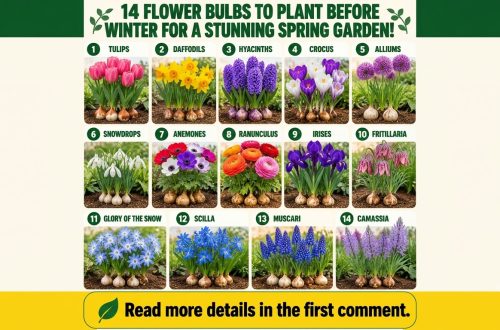
- Tulips (Tulipa): Available in an incredible array of colors, shapes, and sizes.
- Daffodils (Narcissus): Cheerful yellow, white, and orange blooms, often deer-resistant.
- Hyacinths (Hyacinthus): Known for their intensely fragrant, dense flower spikes.
- Crocuses (Crocus): One of the earliest bloomers, signaling the true start of spring.
- Muscari (Grape Hyacinth): Small, bell-shaped blue or white flowers that naturalize beautifully.
- Snowdrops (Galanthus): Delicate white flowers that can even push through snow.
Step-by-Step Planting Guide
1. Select Your Site
Most spring-flowering bulbs thrive in full sun (at least 6 hours of direct sunlight per day) and well-drained soil. Avoid areas where water tends to collect, as bulbs can rot in soggy conditions. Consider the mature height and spread of your chosen bulbs to ensure they have enough space.
2. Prepare the Soil
Good soil drainage is crucial. If you have heavy clay soil, amend it with organic matter like compost, peat moss, or well-rotted manure to improve drainage and provide nutrients. Dig down about 10-12 inches to loosen the soil.
3. Dig the Perfect Hole
A general rule of thumb is to plant bulbs at a depth of two to three times their height. For example, a 2-inch tall bulb should be planted 4-6 inches deep. You can dig individual holes with a trowel or a wider trench for mass plantings.
4. Place Your Bulbs
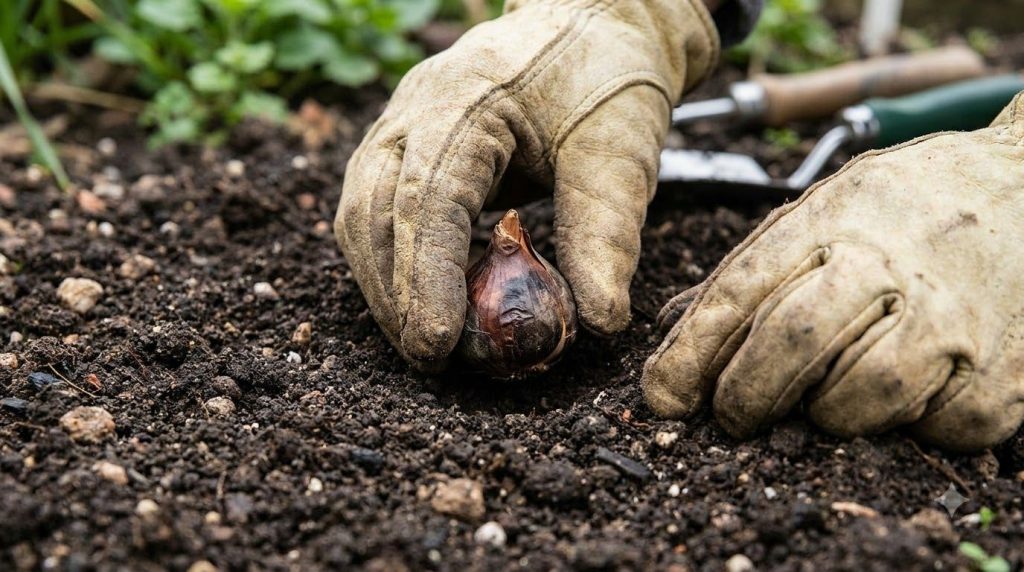
Orient the bulb with the pointy side up and the flat, root side down. If you’re unsure which end is up (for bulbs like crocuses), plant them on their side, and they’ll usually find their way. Space bulbs according to the package directions, typically a few inches apart for most varieties.
5. Cover and Water
Gently cover the bulbs with soil, pressing down lightly to remove any air pockets. Water thoroughly after planting to help settle the soil and encourage root development. This initial watering is very important.
Essential Post-Planting Care
- Mulch: Apply a 2-3 inch layer of mulch (like straw, shredded leaves, or wood chips) over the planting area. This helps insulate the bulbs from extreme temperature fluctuations, conserves moisture, and suppresses weeds.
- Watering: Once planted, bulbs typically don’t need much water during their dormant winter period, especially in regions with regular rainfall or snow. In very dry conditions, a light watering may be beneficial.
- Fertilizing: You can incorporate a slow-release bulb fertilizer or bone meal into the soil during planting. Avoid high-nitrogen fertilizers, which can promote leafy growth at the expense of flowers.
Tips for a Spectacular Spring Show
Grouping for Impact
Plant bulbs in clusters or drifts rather than single rows for a more natural and impactful display. Odd numbers (3, 5, 7) often look most appealing.
Layering for Extended Blooms
For a continuous show, try layering different types of bulbs in the same hole. Plant late-blooming bulbs (like tulips) deeper, then earlier-blooming bulbs (like daffodils or crocuses) on top. This creates a multi-tiered display over several weeks.
Companion Planting
Combine bulbs with other early spring plants like primroses or pansies, or plant them under deciduous trees and shrubs. As the trees leaf out, bulbs may finish their show, allowing the tree to provide summer interest.
Common Mistakes to Avoid
- Planting too shallow or too deep: Follow the depth recommendations carefully.
- Poor drainage: This is the number one killer of bulbs. Always ensure good drainage.
- Cutting foliage too early: After flowering, let the leaves die back naturally. This allows the plant to store energy in the bulb for next year’s blooms. Resist the urge to cut or braid them until they are fully yellow or brown.
- Forgetting to label: If you plant many varieties, labels can help you remember what’s where!
Enjoying Your Spring Garden
With a little planning and effort in the fall, you can look forward to a breathtaking tapestry of colors in your garden come spring. There’s nothing quite like witnessing the magic of spring bulbs emerge from the dormant earth, bringing joy and beauty after a long winter. Get planting and prepare for an unforgettable spring!