Timeless Traditions: Living Without Modern Electricity
In our modern world, electricity powers nearly every aspect of our daily lives, from brewing our morning coffee to illuminating our homes and charging our countless devices. It’s easy to take these conveniences for granted, but have you ever paused to consider what life was like before the flip of a switch transformed darkness into light?
Imagine a time when the rhythm of life was dictated by the sun, the seasons, and the collective efforts of a community. This article will take a nostalgic journey back to an era without widespread electricity, exploring the ingenious ways people lived, ate, and connected. You’ll discover valuable lessons about resourcefulness, community spirit, and a mindful approach to living that still resonate today.
Join us as we uncover the timeless traditions that shaped daily life and learn how we can bring some of that intentionality into our busy modern routines.

A Glimpse into the Pre-Electric Era
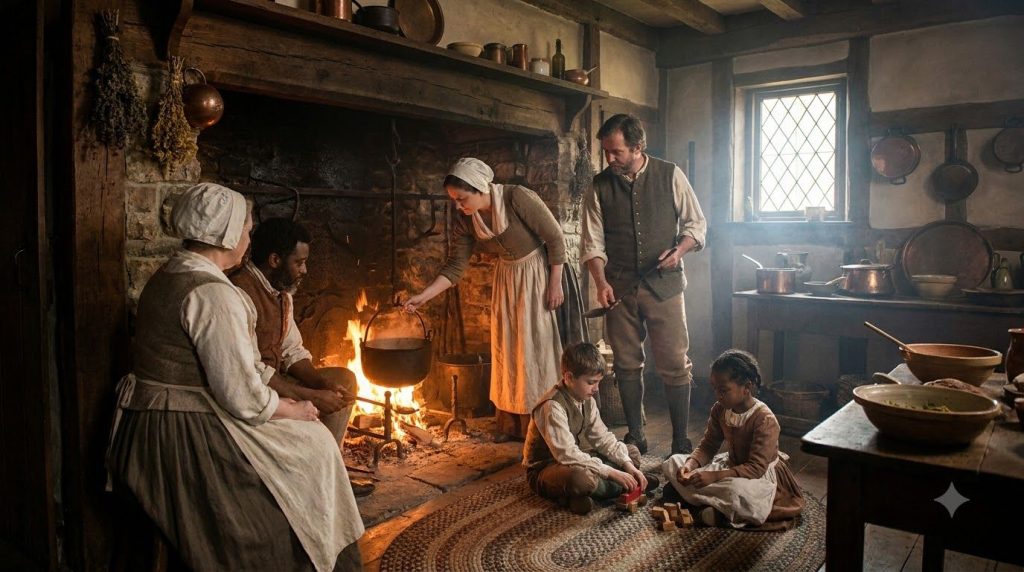
Before the advent of widespread electricity, daily life unfolded at a different pace. Homes were lit by oil lamps, candles, or natural light from windows. Cooking involved wood-burning stoves or open hearths, requiring constant tending. Entertainment was often communal, involving storytelling, music, or simple games rather than screens.
Tasks that we now accomplish with a button — washing clothes, pumping water, cleaning — were manual, requiring physical effort and time. This reliance on personal energy and natural resources fostered a profound connection to one’s environment and community.
The Heart of the Home: Food and Sustenance
Food preparation and preservation were central to daily survival and social life. Without refrigerators or microwaves, people relied on traditional methods and seasonal availability.
Cooking with Fire and Skill
- Wood-Burning Stoves: These were the heart of many homes, used for cooking, heating water, and warming the house. Mastering their use was a key skill.
- Open Hearths: In earlier times, cooking directly over an open fire was common, requiring special tools and techniques.
- Communal Cooking: Larger meals or specific preparations might involve several families working together, sharing resources and labor.
Preserving Nature’s Bounty
- Canning and Jarring: A popular method to store fruits, vegetables, and meats for extended periods.
- Drying: Fruits, vegetables, and herbs were often air-dried or sun-dried to remove moisture and prevent spoilage.
- Salting and Curing: Meats and fish were preserved using salt, a time-honored technique to extend their shelf life.
- Root Cellars: Cool, dark, and humid spaces were used to store root vegetables, apples, and other produce throughout the colder months.
- Seasonal Eating: People ate what was available locally and in season, leading to a varied diet throughout the year.
Community and Connection Flourished
Without constant digital distractions, social interactions were more direct and often essential for survival. Community bonds were strong and vital.
Social Gatherings and Storytelling
- Porch Sitting: Evenings were often spent on porches, chatting with neighbors, sharing news, and enjoying the cool air.
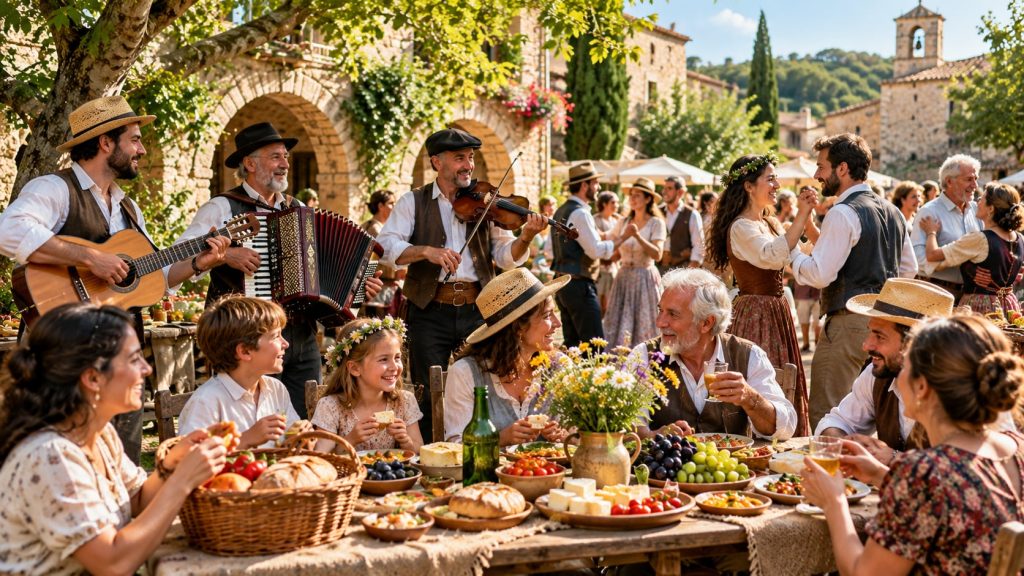
- Shared Meals: Sundays and holidays were significant for large family and community meals, fostering connection.
- Oral Traditions: Stories, songs, and traditions were passed down through generations around the fire, strengthening cultural identity.
Collaborative Work and Support
- Barn Raisings: Large projects like building a barn would bring the entire community together, sharing the labor and celebrating the achievement.
- Harvests: Neighbors would often help each other with planting and harvesting crops, making arduous tasks manageable.
- Mutual Aid: In times of sickness or hardship, communities rallied to support their members, demonstrating strong social safety nets.
Embracing Natural Rhythms
Life without electric lights meant a closer alignment with the natural world, influencing sleep patterns, activity levels, and daily routines.
Life by the Sun and Stars
- Early to Bed, Early to Rise: People typically went to sleep shortly after dark and woke with the sun, aligning with the body’s natural circadian rhythm.
- Stargazing: With no light pollution, the night sky was a magnificent spectacle, offering both wonder and a practical way to navigate.
Active Lifestyles and Manual Labor
- Physical Activity: Most daily tasks, from farming to household chores, involved significant physical exertion. This meant people generally had more active lifestyles than many do today.
- Outdoor Living: A greater portion of the day was spent outdoors, connecting with nature and benefiting from fresh air and sunlight.
Lessons from a Simpler Time
While we wouldn’t trade modern medicine or instant communication, the pre-electric era offers profound insights:
- Resourcefulness: Learning to make do with what’s available and finding creative solutions.
- Mindfulness: Being present in the moment and appreciating simple pleasures, rather than constant distraction.
- Community: Valuing genuine human connection and mutual support over individual isolation.
- Connection to Nature: Living in harmony with natural cycles and appreciating the environment.
Bringing Timeless Traditions into Modern Life
We can’t rewind time, but we can certainly integrate some of these valuable traditions into our contemporary lives. Here are some practical tips:
- Unplug and Reconnect: Dedicate specific times each day or week to “digital detox.” Instead of screens, play board games, read a physical book by lamplight, or simply talk with family and friends.
- Cook from Scratch: Challenge yourself to prepare more meals using basic ingredients. Explore canning, fermenting, or drying produce from a local market or your garden.
- Embrace Natural Light: Open curtains and blinds during the day. Consider spending evenings with dimmer lighting, candles, or even a fire pit outdoors to reset your internal clock.
- Cultivate Community: Reach out to your neighbors, offer help, or organize a potluck. Join local groups or volunteer to build stronger bonds in your area.
- Learn a Skill: Take up gardening, baking bread, mending clothes, or woodworking. These hands-on activities foster a sense of accomplishment and connection to traditional ways.
FAQs
How did people communicate without electricity?
People communicated primarily through face-to-face conversations, letters, and community gatherings. Town criers, church bells, or word-of-mouth were used for urgent news.
What did people do for entertainment?
Entertainment included storytelling, playing musical instruments, singing, dancing, reading books, playing board games, attending live performances, and participating in outdoor activities.
How was food stored before refrigeration?
Food was preserved through methods like salting, smoking, drying, canning, pickling, and storing in cool, dark places like root cellars or spring houses.
Did people sleep more before electricity?
Generally, yes. Without artificial light, people tended to follow the natural cycle of the sun, going to bed earlier and rising with dawn, leading to longer sleep durations.
What’s the biggest difference between then and now?
The most significant difference is the immediate access to information and convenience that electricity provides, which has fundamentally changed work, leisure, and social interaction.
Can modern people live without electricity?
While challenging, it is possible. Many intentional communities and individuals live “off-grid” by using alternative energy sources or embracing a very minimalist, resourceful lifestyle.
How can I incorporate these traditions into my life?
Start small! Try dedicating evenings to screen-free activities, cooking more meals from scratch, spending more time outdoors, or connecting with neighbors.
Was life healthier before electricity?
Life was often more physically active, and diets were typically less processed. However, modern medicine and sanitation have significantly improved overall public health and life expectancy.
Conclusion
Stepping back into the pre-electric era reminds us of the incredible human capacity for ingenuity, community, and resilience. While we cherish the advancements of modern technology, there’s profound value in reflecting on a time when life moved at a different pace, fostering deeper connections and a greater appreciation for simple pleasures.
By consciously integrating some of these timeless traditions into our busy lives, we can cultivate more mindful habits, strengthen our communities, and find a richer sense of well-being. What small step will you take today to embrace a bit of that timeless wisdom? Explore more healthy lifestyle content on our website to inspire your journey!
This content is for educational purposes only and should not be considered medical advice. Consult a qualified healthcare professional for personalized dietary recommendations.