Most people associate eye health with modern medicine, often overlooking the centuries-old wisdom found in nature. Yet, one humble herb, Eyebright, has been traditionally revered by herbalists for its unique properties aimed at supporting vision wellness. While not a cure-all, understanding how to properly prepare and use this botanical can offer a soothing, natural approach to common eye discomforts.
Ignoring the intricate details of preparation can lead to ineffective results or even irritation. This guide will cut through the myths and provide practical, step-by-step instructions for harnessing Eyebright’s traditional benefits, focusing on safe and effective topical application.
What Eyebright Is
Eyebright, scientifically known as Euphrasia officinalis, is a delicate annual herb belonging to the Orobanchaceae family. It’s characterized by small, white, or purplish flowers often marked with yellow spots, giving them an ‘eye-like’ appearance. Historically, its name directly reflects its traditional use: ‘eyebrightening.’ For generations, this herb has been a staple in traditional folk medicine, particularly in Europe, for various eye-related concerns.
Rather than a magical fix, Eyebright is cherished for its astringent and mild anti-inflammatory properties when applied topically, which herbalists believe help soothe irritated eyes, reduce redness, and support overall eye comfort. It’s important to note that when we discuss ‘vision wellness’ with Eyebright, we are referring to traditional soothing and cleansing applications, not a remedy for serious medical conditions or vision correction.
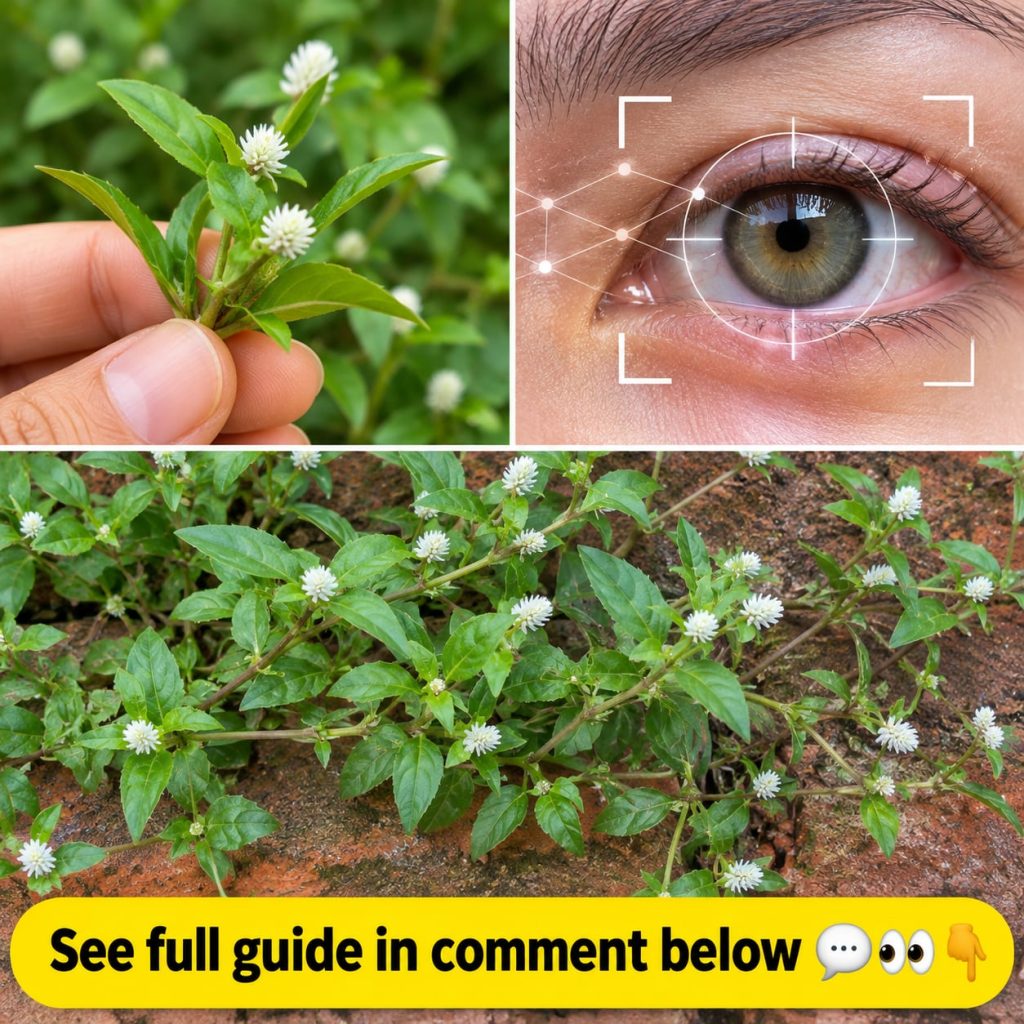 Eyebright’s characteristic flowers often have ‘eye-like’ markings.
Ingredients for a Soothing Eyebright Compress or Wash
The beauty of a traditional Eyebright remedy lies in its simplicity. You only need a few key components:
- Dried Eyebright Herb: The aerial parts (leaves and flowers) are used. Ensure it’s high-quality and organically sourced to avoid pesticides or contaminants, especially since it’s for sensitive areas.
- Distilled Water or Filtered Water: Tap water often contains chlorine, minerals, or other impurities that can irritate the eyes. Distilled water is ideal, but well-filtered water is also acceptable.
Quick Tip: When purchasing Eyebright, look for reputable suppliers specializing in herbs. The quality of your herb directly impacts the effectiveness and safety of your preparation.
Approximate Measurements
Precision is important when dealing with eye remedies. Too strong a concentration can cause irritation, while too weak might be ineffective. These measurements are for a single batch of eyewash or compress liquid:
- Dried Eyebright Herb: 1 teaspoon (approximately 2-3 grams)
- Distilled or Filtered Water: 1 cup (240 ml)
Formula / Recipe: Eyebright Infusion for Eye Care
This recipe outlines how to create a gentle infusion suitable for a compress or wash. Remember, never use internal strength teas directly on the eyes.
Eyebright Eye Compress/Wash Infusion
- Measure Ingredients: Place 1 teaspoon of dried Eyebright herb into a clean, heat-proof glass jar or mug.
- Heat Water: Bring 1 cup of distilled or filtered water to a boil.
- Infuse: Pour the boiling water over the dried Eyebright herb.
- Cover and Steep: Immediately cover the jar/mug to prevent the volatile compounds from escaping. Let it steep for 10-15 minutes. Steeping for too long can create a stronger, potentially irritating solution.
- Strain Thoroughly: Using a very fine mesh strainer or cheesecloth (preferably several layers), strain the liquid into another clean, sterile glass container. It is crucial that absolutely no herbal particles remain, as they can scratch or irritate the eye.
- Cool: Allow the liquid to cool completely to room temperature before use. Never use a hot or warm solution on the eyes.
Step-by-Step Method: Preparing Your Eyebright Solution
Following these detailed steps ensures a safe and effective preparation:
- Gather all your materials: dried Eyebright, distilled water, a clean pot, a measuring spoon, a measuring cup, a heat-proof glass jar/mug, a fine mesh strainer, and sterile cotton pads or eye cups.
- Wash your hands thoroughly with soap and water before starting.
- Measure 1 teaspoon of dried Eyebright into your clean glass jar.
- Boil 1 cup of distilled water.
- Carefully pour the hot water over the herb in the jar.
- Cover the jar immediately with a lid or saucer.
- Set a timer for 10-15 minutes for steeping.
- While steeping, prepare your straining setup. Line a second clean glass container with a very fine mesh strainer. If using cheesecloth, fold it several times to create a dense filter.
- Once steeped, carefully pour the infusion through the strainer, ensuring all herbal material is removed. You might need to strain it twice.
- Let the strained liquid cool completely. This is critical for eye safety.
- Once cool, it’s ready for use as a compress or wash.
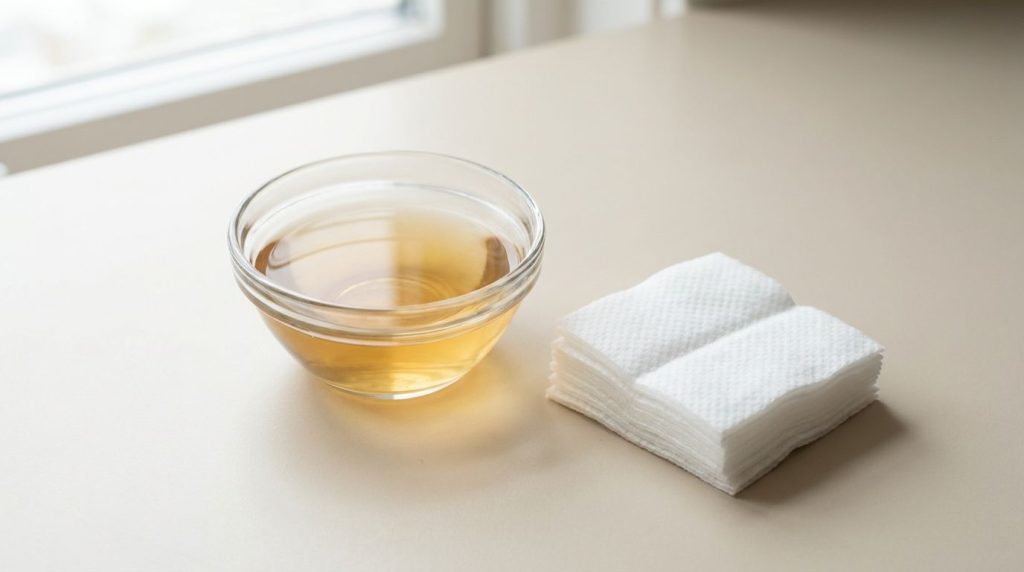 Ensure your Eyebright infusion is completely clear and free of particles before use.
How to Use Your Eyebright Solution
The Eyebright infusion is primarily used externally for soothing and cleansing the eyes.
For an Eye Compress:
- Soak a clean, sterile cotton pad (or two, one for each eye) in the cooled Eyebright infusion.
- Gently squeeze out any excess liquid, so it’s damp but not dripping.
- Close your eyes and place the saturated pads over your eyelids.
- Relax for 10-15 minutes, allowing the soothing properties to work.
- Discard the used pads immediately after use. Do not reuse.
For an Eye Wash (using an eye cup):
- Ensure your eye cup is thoroughly sterilized.
- Fill the eye cup with the cooled Eyebright infusion.
- Tilt your head forward, place the eye cup firmly over one eye, and then tilt your head back, allowing the liquid to bathe your eye.
- Blink gently for about 30 seconds.
- Discard the liquid. Rinse the eye cup thoroughly and repeat for the other eye with fresh solution.
How Often to Use
For temporary relief of mild irritation or redness, you can use the Eyebright compress or wash 1-2 times per day. If symptoms persist or worsen after 2-3 days, discontinue use and consult a healthcare professional.
Best Time to Use It: Many find it most soothing in the morning to refresh tired eyes or in the evening to cleanse away the day’s irritants.
How to Buy / How to Choose Ingredients
The success and safety of your Eyebright remedy depend heavily on the quality of your ingredients.
- Dried Eyebright Herb:
- Source: Purchase from reputable herbal suppliers or organic health stores.
- Form: Look for loose, dried herb, which usually contains a mix of leaves and flowers.
- Purity: Ensure it’s organic and free from pesticides, heavy metals, and other contaminants. For eye use, this is non-negotiable.
- Freshness: Check for a vibrant color and a mild, earthy aroma. Avoid anything that looks dull, dusty, or smells musty.
- Distilled Water: Easily found in most grocery stores.
Fresh vs. Dried Eyebright
FeatureFresh EyebrightDried EyebrightAvailabilitySeasonal, requires foraging/growingAvailable year-roundPotencyPotentially higher if used immediatelyConsistent, stable potencyPreparationMust be meticulously cleaned, higher risk of contamination if not handled perfectlyLess preparation, easier to strain thoroughlyStorageVery short lifespan, must be used immediately or driedLonger shelf life when stored correctlyRisk of IrritationHigher if not impeccably cleanLower, provided it’s strained perfectly
For eye applications, dried and finely strained Eyebright is generally recommended for beginners due to the ease of preparation and lower risk of contamination.
Storage
Proper storage is paramount for safety, as bacterial contamination is a significant concern for eye remedies:
- Prepared Infusion: Store any leftover, unused infusion in a sterile, airtight glass container in the refrigerator for no more than 24 hours. After 24 hours, discard any remaining solution.
- Dried Herb: Store dried Eyebright in an airtight container in a cool, dark, dry place. It can last for 6-12 months. Discard if it loses its aroma or shows any signs of mold.
Common Mistake: Reusing old solutions. Never do this. Always prepare a fresh batch for each application to prevent bacterial contamination.
Practical Tips
- Patch Test: Before using any Eyebright solution on your eyes, apply a small amount to your inner forearm or behind your ear to check for any allergic reaction. Wait 24 hours.
- Sterility is Key: Always use sterile equipment (jars, strainers, cotton pads) to prevent introducing bacteria to your eyes.
- Strain Meticulously: Even the smallest particle can irritate or damage the eye. Use the finest strainer possible, or multiple layers of cheesecloth.
- Don’t Share: Eye remedies should always be personal. Do not share your solutions or eye cups to prevent cross-contamination.
Common Mistakes
- Using Tap Water: As mentioned, tap water contains impurities that can irritate delicate eye tissues. Always use distilled or filtered water.
- Not Straining Thoroughly: Any residual plant particles can be abrasive and cause significant irritation or even corneal damage.
- Using a Solution That Isn’t Completely Cool: Hot or even warm solutions can damage eye tissues. Always allow it to cool to room temperature.
- Reusing Old Solution: This is perhaps the most dangerous mistake. Bacteria multiply rapidly in herbal infusions, especially at room temperature. Always discard after 24 hours, or ideally, prepare fresh for each use.
- Using Unsterilized Equipment: Introducing bacteria from uncleaned jars, strainers, or eye cups directly into your eyes.
- Boiling the Herb: Boiling can destroy delicate compounds. Infusion (steeping in hot water) is the correct method.
Cautions / Who Should Avoid It
While traditionally used, Eyebright is not without its cautions:
- Allergies: Individuals with known allergies to plants in the Orobanchaceae family should avoid Eyebright.
- Contact Lenses: If you wear contact lenses, remove them before using an Eyebright compress or wash. Wait at least 15-20 minutes before reinserting them.
- Serious Eye Conditions: Eyebright is not a substitute for professional medical treatment for serious eye infections (like conjunctivitis), glaucoma, cataracts, or other chronic eye diseases. Always consult an eye doctor for persistent or severe symptoms.
- Pregnancy and Breastfeeding: There is insufficient scientific data regarding the safety of Eyebright during pregnancy and breastfeeding. It’s best to avoid use during these times.
- Internal Use: This article focuses solely on topical application. Internal consumption of Eyebright as a tea has different considerations and should only be done under the guidance of a qualified herbalist.
- Children: Consult a pediatrician before using any herbal remedies on children’s eyes.
Quick Summary
- Best Preparation: Gentle infusion (steeped, not boiled).
- Best Use-Case: Topical compress or wash for soothing mild eye irritation, redness, or fatigue.
- Storage: Refrigerate prepared solution for max 24 hours. Store dried herb in an airtight, cool, dark place.
- When to Use: 1-2 times daily for temporary relief. Discontinue if symptoms worsen.
- What to Avoid: Tap water, unsterilized equipment, uncooled solution, and reusing old solutions. Always strain meticulously.
FAQ
- Can I use fresh Eyebright for an eye wash?
- It’s generally recommended to use dried, high-quality Eyebright for eye washes due to the higher risk of contamination and difficulty in thoroughly straining fresh plant material.
- How long does the Eyebright solution last?
- The prepared infusion should be used within 24 hours if refrigerated, and ideally, a fresh batch should be made for each use to minimize bacterial risk.
- Can I refrigerate the Eyebright solution?
- Yes, you can refrigerate it for up to 24 hours in a sterile, airtight container.
- How often should I use it?
- For mild, temporary relief, 1-2 times per day is generally sufficient. If issues persist, consult a doctor.
- What part of the Eyebright plant is best?
- The aerial parts (leaves and flowers) are traditionally used for medicinal preparations.
- Can I reuse the cotton pads or eye cup?
- No, cotton pads should be discarded after each use. Eye cups must be thoroughly washed and sterilized before each new application.
- When should I avoid using Eyebright?
- Avoid if you have severe eye pain, infection, vision changes, or are pregnant/breastfeeding. Always consult a doctor for serious eye conditions.
- Can I add other herbs to the Eyebright solution?
- It’s best to keep eye remedies simple. If you wish to combine herbs, do so under the guidance of a qualified herbalist.
Conclusion
Eyebright stands as a testament to nature’s gentle provisions, offering a time-honored approach to soothing and supporting eye comfort. By adhering to meticulous preparation methods and understanding its limitations, you can safely integrate this traditional remedy into your wellness routine. Remember, while Eyebright can be a wonderful ally for mild, temporary eye irritation, it is never a substitute for professional medical care when faced with serious or persistent eye health concerns. Prioritize purity, sterility, and common sense, and let this remarkable herb offer its historical touch of comfort to your eyes.