Maybe you’ve seen this flower blooming in your garden or along roadsides, its vibrant purple spires a sure sign of spring. Most people admire the beauty of grape hyacinths (Muscari armeniacum) and then move on, unaware that these unassuming blooms hold a secret. Beyond their ornamental appeal, grape hyacinth flowers can be transformed into a stunning, jewel-toned syrup with a unique, subtle flavor. Don’t dismiss them as just another pretty face; learn how to harness their overlooked ‘power’ for a delightful, homemade treat.
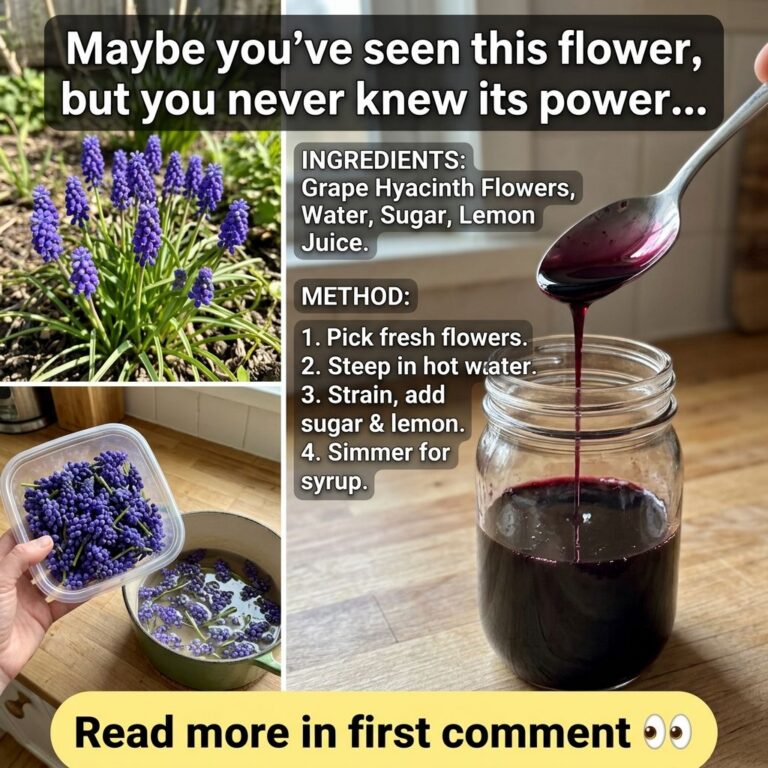
What is Grape Hyacinth Syrup?
Grape hyacinth syrup is a sweet, often vibrantly colored (ranging from light pink to deep purple, depending on the flower species and pH) liquid made by steeping the petals of the Muscari armeniacum flower in hot water, then combining the infused liquid with sugar and a touch of lemon juice. The result is a unique floral syrup that can add a burst of color and a delicate, slightly grassy-sweet flavor to various dishes and drinks. It’s a wonderful way to capture the essence of spring and enjoy a taste that’s far from ordinary.
Ingredients for Grape Hyacinth Syrup
Making this beautiful syrup requires just a few simple components, most of which you likely already have in your pantry.
- Fresh Grape Hyacinth Flowers (Muscari armeniacum)
- Water
- Granulated Sugar
- Fresh Lemon Juice
Approximate Measurements
Accuracy here can make a difference in color and flavor intensity, but slight variations are often fine.
- Grape Hyacinth Flowers: 2 cups, lightly packed (about 50-70 large flower clusters)
- Water: 2 cups
- Granulated Sugar: 2 cups
- Fresh Lemon Juice: 1-2 tablespoons (to taste and for color enhancement)
Formula / Recipe
This recipe yields about 2-3 cups of syrup, depending on how much you reduce it.
- Infuse flowers in hot water.
- Strain the floral liquid.
- Combine liquid with sugar and lemon juice.
- Simmer until thickened to a syrup consistency.
Step-by-Step Method
- Harvest the Flowers: Carefully pick fresh, fully open grape hyacinth flowers. Ensure they are free from pesticides, pollution, and any signs of disease. Gently pull the individual florets or the entire flower stalk from the stem. Aim for about 2 cups, lightly packed.
- Prepare the Infusion: Bring 2 cups of water to a boil. Remove from heat and immediately add the grape hyacinth flowers. Stir gently to ensure all flowers are submerged.
- Steep: Cover the pot and let the flowers steep in the hot water for at least 4-6 hours, or preferably overnight, at room temperature. The longer it steeps, the stronger the flavor and color will be. The water will likely turn a greenish-brown at this stage; don’t worry, the lemon juice will activate the purple later!
- Strain: After steeping, strain the liquid through a fine-mesh sieve or cheesecloth into a clean saucepan. Press down on the flowers to extract as much liquid as possible. Discard the spent flowers.
- Add Sweetener and Acidity: To the strained floral liquid, add 2 cups of granulated sugar and 1 tablespoon of fresh lemon juice. Stir well until the sugar begins to dissolve.
- Simmer to Syrup: Place the saucepan over medium heat. Bring the mixture to a gentle boil, then reduce heat to low and simmer, stirring occasionally, for 15-25 minutes. The mixture should reduce slightly and thicken to a syrupy consistency. A good test is to dip a cold spoon into the syrup; if it coats the back of the spoon and doesn’t run off immediately, it’s ready.
- Check Color (Optional): If you want a more vibrant purple, you can add another teaspoon of lemon juice while simmering. Watch as the color shifts!
- Cool and Store: Remove the syrup from heat and let it cool completely. Once cool, carefully pour it into clean, sterilized bottles or jars.
Quick Tip: Lemon Juice Magic
The magic behind the vibrant purple color often comes from the lemon juice! Grape hyacinths contain anthocyanins, pigments that change color with pH. The initial infusion might be bluish-green, but the acidity of the lemon juice shifts the pH, revealing the beautiful purple hues.
How to Use Grape Hyacinth Syrup
This unique syrup is incredibly versatile. Here are some ideas:
- Beverages: Stir into sparkling water for a refreshing spring drink, add to iced tea, use in cocktails or mocktails, or drizzle into a glass of lemonade for a floral twist.
- Desserts: Pour over pancakes, waffles, or ice cream. Drizzle onto yogurt or fruit salads. Use as a glaze for cakes or a flavoring for frosting.
- Culinary: A surprising addition to vinaigrettes for a floral salad dressing, or a glaze for roasted vegetables like carrots.
How Often to Use
Grape hyacinth syrup is a seasonal treat. Use it as desired to sweeten drinks or foods. As with any sugary syrup, moderation is key for daily consumption. It’s best enjoyed as a special addition rather than a primary sweetener.
How to Choose Ingredients / Foraging Tips
- Grape Hyacinths: Always forage with caution. Ensure you are 100% certain of your identification. Grape hyacinths are distinct, but cross-contamination with other plants is a risk. Choose flowers from areas free of pesticides, herbicides, and pollution (away from busy roadsides). Pick fresh, vibrant blooms that are fully open.
- Water: Use filtered water for the best flavor.
- Sugar: Standard granulated white sugar works best to preserve the color and delicate floral notes.
- Lemon Juice: Freshly squeezed lemon juice is paramount for both flavor and activating the vibrant purple color.
Storage
Store your finished grape hyacinth syrup in clean, sterilized, airtight bottles or jars in the refrigerator. Properly stored, it should last for 2-3 weeks. For longer storage (up to 6 months), you can freeze the syrup in freezer-safe containers, leaving headspace for expansion. Thaw in the refrigerator before use.
Practical Tips
- Flower Selection: Choose only fresh, healthy, and bug-free flowers. Shake them gently to dislodge any small insects before use.
- Don’t Over-Boil: While simmering to thicken, avoid boiling too vigorously, as this can degrade the delicate floral flavor.
- Taste Test: Always taste your syrup before bottling and adjust lemon juice or sugar to your preference.
- Sterilization: Ensure all bottles and jars are properly sterilized to prevent spoilage and extend shelf life.
Common Mistakes
- Misidentification: The biggest mistake is foraging the wrong flower. Always be 100% sure you have Muscari armeniacum.
- Using Sprayed Flowers: Never use flowers from areas treated with pesticides or herbicides.
- Skipping the Lemon: Without lemon juice, your syrup will likely remain a dull, greenish-brown instead of turning purple.
- Insufficient Steeping: Not steeping the flowers long enough will result in a weak flavor and less vibrant color.
- Over-reduction: Reducing the syrup too much can make it overly thick and caramelized, losing its delicate floral notes.
Cautions / Who Should Avoid It
While grape hyacinth flowers (Muscari armeniacum) are generally considered edible in small quantities, it’s crucial to exercise caution:
- Identification: As mentioned, absolutely ensure correct identification.
- Quantity: Consume in moderation. Large quantities of any wild edible can sometimes cause digestive upset.
- Allergies: If you have allergies to other flowers or plants, introduce this syrup cautiously.
- Pets: Grape hyacinth bulbs are toxic to pets, so keep foraging activities and syrup preparation away from curious animals.
- Medical Conditions: If you are pregnant, breastfeeding, or have underlying health conditions, consult with a healthcare professional before consuming any new wild-foraged foods.
You may also like: DIY Dandelion Jelly: A Taste of Spring
Quick Summary
| Aspect | Guidance |
|---|---|
| Best Preparation | Hot infusion, then simmer with sugar and lemon. |
| Best Use-Case | Sweetener for drinks, desserts, or a floral culinary accent. |
| Storage | Refrigerate for 2-3 weeks, freeze for up to 6 months. |
| When to Use | Spring, when grape hyacinths are abundant and fresh. |
| What to Avoid | Misidentification, sprayed flowers, boiling too long. |
FAQ
Q: Can I use dried grape hyacinth flowers?
A: While technically possible, fresh flowers will yield the best flavor and most vibrant color. Dried flowers may produce a less intense syrup.
Q: How long does the syrup last?
A: Stored in the refrigerator, it typically lasts 2-3 weeks. For longer storage, freeze it for up to 6 months.
Q: Why did my syrup turn green, not purple?
A: The initial infusion often appears greenish. The lemon juice (acid) is crucial for activating the anthocyanin pigments to turn the syrup purple. If it’s still green, you likely need more lemon juice.
Q: Can I use a different type of sugar?
A: White granulated sugar is recommended to maintain the delicate floral flavor and true color. Brown sugar or other sweeteners might alter both significantly.
Q: Are all Muscari species edible?
A: While Muscari armeniacum is commonly used, research suggests some other Muscari species might also be edible. However, always stick to verified identification and err on the side of caution. If in doubt, stick to Muscari armeniacum.
Q: Can I make this syrup without foraging?
A: It’s unlikely you’ll find grape hyacinth flowers for sale. Foraging is the primary method, emphasizing the importance of safe and responsible harvesting practices.
Continue reading: Your Essential Guide to Safe Foraging Practices
Conclusion
Grape hyacinth syrup is more than just a sweet treat; it’s an invitation to engage with the natural world around us and discover the hidden potential of common plants. By transforming these spring blooms into a unique, flavorful syrup, you not only create something delicious but also develop a deeper appreciation for the overlooked ‘power’ that springtime flora holds. Give this recipe a try and add a touch of botanical magic to your pantry.