Papaya flowers are a traditional ingredient in many Asian kitchens and are increasingly appreciated as a natural wellness food. Although they are best known for their slightly bitter taste, they also contain a wide range of plant compounds, vitamins, and minerals that may support overall health. For adults over 30, papaya flowers can be an interesting addition to a more balanced, health-conscious diet.
What Are Papaya Flowers?
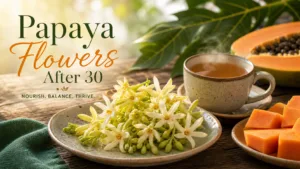
Papaya flowers are the small blossoms that grow on papaya trees, often in clusters. They are commonly eaten in cooked dishes, herbal preparations, or mixed with other ingredients to reduce their natural bitterness. In many households, they are valued not only as food but also as part of traditional health routines.
Their taste is usually described as bitter, earthy, and slightly herbal. Because of that, they are often boiled first and then stir-fried, added to salads, dried for tea, or soaked with honey.
Why They Matter After 30
After the age of 30, many people begin to pay closer attention to digestion, body weight, energy levels, blood sugar balance, and heart health. This is the stage when small dietary changes can make a real difference over time.
Papaya flowers fit well into this kind of lifestyle because they are light, plant-based, and rich in natural compounds. They are not a miracle food, but they can become part of a smart routine focused on healthy aging and prevention.
Potential Health Benefits
Papaya flowers are often associated with antioxidant and anti-inflammatory properties. These effects may help the body deal with oxidative stress, which is one of the factors linked to aging and many chronic health issues.
They are also traditionally used to support digestion. Many people believe papaya flowers can help reduce bloating, stimulate appetite, and support better bowel regularity when included in a vegetable-rich diet.
Another reason they attract attention is their reputation for supporting metabolic health. They are commonly mentioned in relation to blood sugar balance, weight management, and cardiovascular wellness. While they should never replace medical care, they may serve as a helpful supporting food in a healthier eating pattern.
In traditional use, papaya flowers are also used for coughs, sore throats, and mild respiratory discomfort, especially when prepared with honey. This has made them a familiar home remedy in some regions.
Nutrition Highlights
Papaya flowers are valued for their natural nutritional profile. They are believed to contain:
-
Vitamin C and several B vitamins.
-
Minerals such as calcium, potassium, magnesium, iron, zinc, and manganese.
-
Plant compounds like flavonoids, tannins, and saponins.
-
Antioxidants that may help protect the body from everyday stress and inflammation.
Because of this combination, papaya flowers are often seen as more than just a bitter vegetable. They are considered a nutrient-dense traditional food that can complement a healthy diet.
Easy Ways to Enjoy Papaya Flowers
One of the most popular ways to eat papaya flowers is to boil them briefly to reduce bitterness, then stir-fry them with garlic, onion, and chili. This creates a flavorful side dish that pairs well with rice, fish, or lean meat.
They can also be used in salads. After blanching, the flowers can be mixed with cucumber, herbs, carrots, and a light dressing for a fresh and slightly bitter dish.
Another easy option is papaya flower tea. Dried flowers can be steeped in hot water and enjoyed as a warm herbal drink, especially by people who prefer simple natural wellness routines.
Papaya flowers are also sometimes soaked in honey and used as a traditional home remedy for sore throat or cough. This preparation is especially popular in households that prefer natural remedies for mild symptoms.
Things to Keep in Mind
Papaya flowers should be treated as a supportive food, not a cure. Their health reputation comes from traditional use, early research, and nutrition value, but they are not a substitute for proper medical treatment.
Because they are naturally bitter, they may cause stomach discomfort in some people if eaten in large amounts. It is usually best to start with a small serving and see how your body responds.
People who are pregnant, breastfeeding, have chronic medical conditions, or take regular medication should be careful with frequent medicinal-style use and check with a healthcare professional first.
Final Note
Papaya flowers are a simple but fascinating traditional food with growing interest in the wellness space. For adults over 30, they offer an appealing combination of nutrition, culinary variety, and potential health support.
The best way to use them is with a balanced mindset: not as a miracle solution, but as one more healthy habit in a lifestyle that includes better food, better sleep, more movement, and long-term self-care.