Have you ever stood in the grocery aisle, pondering the tiny, speckled wonders of chia, sabja, and flax seeds, wondering if they’re all pretty much the same? You’re not alone! Many of us are fascinated by these nutritional powerhouses but get a little confused by their similar appearances. While they might look like close cousins, these three seeds are actually unique superheroes, each with distinct benefits and best uses for your healthy lifestyle.
At Healthy Recipes, we’re all about empowering you with clear, practical knowledge. That’s why we’re diving deep into the world of chia, sabja (also known as basil seeds), and flax seeds. Forget the confusion – this is your ultimate guide to understanding their differences, unlocking their potential, and incorporating them deliciously into your daily routine. Let’s explore!
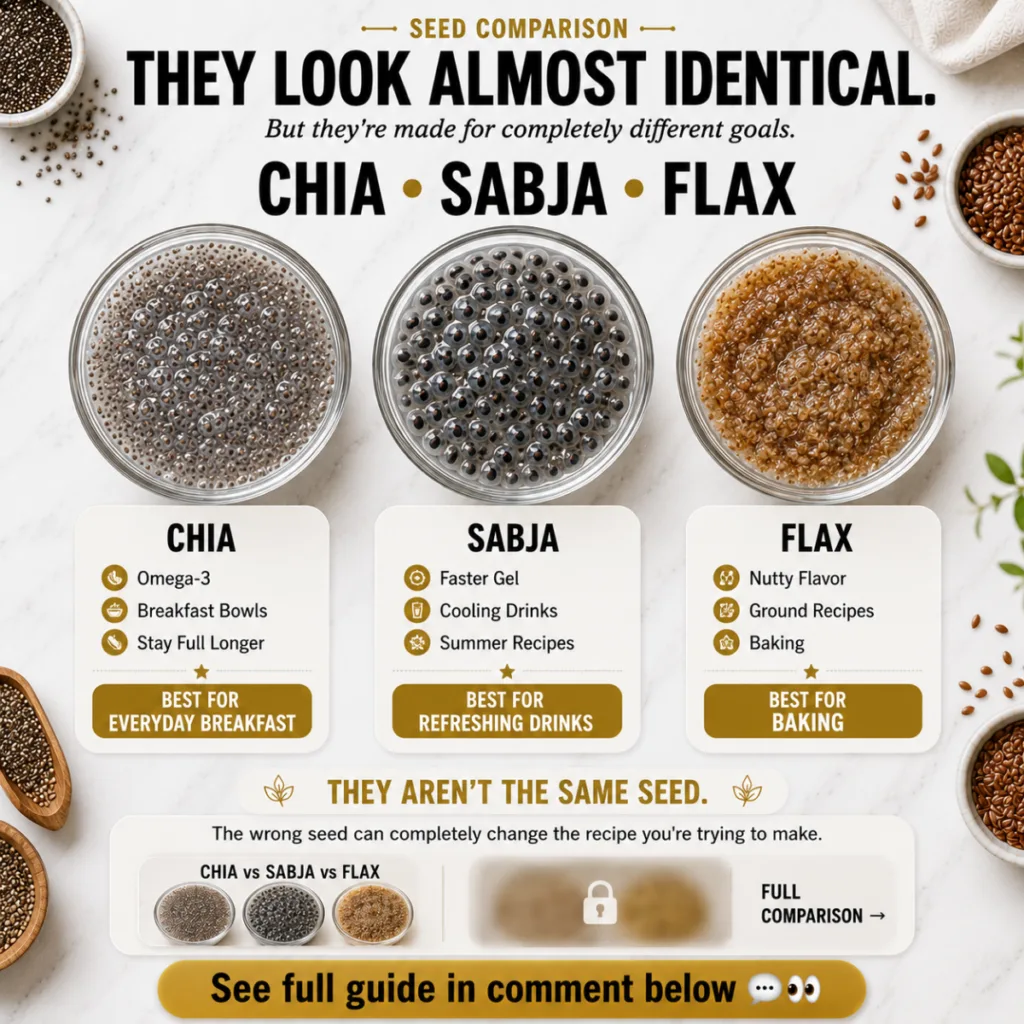 Unraveling the mystery of similar-looking seeds.
Chia Seeds: The Hydration & Fiber Champion
Chia seeds are perhaps the most popular of the trio, famous for their incredible ability to absorb liquid and form a gel-like consistency. These tiny seeds are packed with fiber, omega-3 fatty acids, and essential minerals, making them a fantastic addition for digestive health and sustained energy.
Key Benefits:
- High in Fiber: Excellent for digestion, promoting fullness, and stabilizing blood sugar.
- Omega-3s: Rich in alpha-linolenic acid (ALA), a plant-based omega-3 fatty acid.
- Versatile Thickener: Great for creating puddings, jams, and even as an egg substitute.
Best For: Breakfast Bowls, Hydrating Drinks, and Puddings
Easy Chia Seed Pudding Recipe
A simple, customizable breakfast or snack that’s perfect for meal prepping.
Ingredients:
- 2 tablespoons chia seeds
- 1/2 cup liquid (almond milk, coconut milk, or water work well)
- 1 teaspoon sweetener (maple syrup, honey, or stevia, optional)
- Optional toppings: fresh berries, sliced banana, nuts, seeds, shredded coconut, a drizzle of nut butter
Instructions:
- In a jar or bowl, combine chia seeds, liquid, and sweetener (if using).
- Stir well to ensure no clumps. Let it sit for 5 minutes, then stir again. This helps prevent the seeds from clumping at the bottom.
- Cover and refrigerate for at least 2 hours, or preferably overnight, until thick and gel-like.
- Before serving, give it a good stir and add your favorite toppings.
Substitutions & Variations:
- Liquid: Experiment with different plant-based milks or even fruit juice (use less sweetener).
- Flavor: Add a dash of vanilla extract, cinnamon, or cocoa powder for flavor variations.
- Egg Substitute: Mix 1 tablespoon of chia seeds with 3 tablespoons of water, let it sit for 5-10 minutes, and use it as one “chia egg” in baking.
Prep & Storage Tips:
- Blooming: Always give chia seeds enough time to absorb liquid to get the desired texture.
- Prevent Clumping: Stir vigorously when first mixing, then again after a few minutes.
- Storage: Dry chia seeds can be stored in an airtight container in a cool, dark place for up to 2 years. Prepared chia pudding can last 3-5 days in the refrigerator.
Serving Ideas:
- Stir into oatmeal or yogurt.
- Add to smoothies for extra fiber and thickness.
- Sprinkle on salads or avocado toast.
Sabja Seeds: The Cooling & Digestive Aid
Sabja seeds, often known as basil seeds, are the hidden gems of the seed world, especially popular in Asian and Middle Eastern cuisines. Unlike chia seeds, sabja seeds swell up much larger and have a slightly more gelatinous, less uniform texture. They are prized for their cooling properties and are often used in refreshing drinks.
Key Benefits:
- Cooling Effect: Traditionally used to cool the body, especially in hot climates.
- Digestive Support: High in fiber, aiding digestion and promoting satiety.
- Antioxidants: Contains flavonoids and other polyphenols.
Best For: Cooling Drinks, Desserts, and Detox Waters
Refreshing Sabja Seed Cooler Recipe
A perfect hydrating drink for warm days.
Ingredients:
- 1 tablespoon sabja seeds
- 1 cup water (for blooming)
- 1 cup cold water or lemonade/juice
- 1-2 tablespoons sweetener (sugar, honey, maple syrup) to taste, if using plain water
- Slices of lemon or lime, mint leaves for garnish
Instructions:
- Soak 1 tablespoon of sabja seeds in 1 cup of water for about 15-20 minutes. They will swell significantly, forming a translucent gel coating.
- Once bloomed, drain any excess water if desired (though typically, you’d use the bloomed seeds directly).
- In a glass, combine the bloomed sabja seeds with cold water, lemonade, or your preferred juice.
- Stir in sweetener if needed and add lemon/lime slices and mint leaves for a refreshing touch.
- Serve immediately and enjoy its cooling properties.
Substitutions & Variations:
- Drinks: Use in falooda, nimbu pani (Indian lemonade), or fruit-infused waters.
- Desserts: Add to kulfi, puddings, or fruit salads for an interesting texture.
Prep & Storage Tips:
- Blooming: Sabja seeds bloom much faster and expand more than chia seeds. Ensure they are fully bloomed before consuming.
- Storage: Dry sabja seeds should be stored in an airtight container in a cool, dark place. Bloomed seeds are best used within a day.
Serving Ideas:
- Enhance traditional beverages like Rooh Afza or sherbets.
- Mix into smoothies for a unique texture.
Flax Seeds: The Omega-3 & Lignan Powerhouse
Flax seeds, or linseeds, are another incredible source of plant-based omega-3 fatty acids, fiber, and lignans (plant compounds with antioxidant properties). Unlike chia and sabja, flax seeds don’t create a gel quite as readily, and to fully absorb their nutritional benefits, they are best consumed in their ground form.
Key Benefits:
- Omega-3 Fatty Acids: An excellent source of ALA, supporting heart health.
- Lignans: Powerful antioxidants and phytoestrogens.
- Dietary Fiber: Both soluble and insoluble fiber for digestive regularity.
Best For: Baking, Smoothies, and Nutritional Boosts
Flax Seed “Egg” for Baking
A simple vegan egg substitute that adds nutrients.
Ingredients:
- 1 tablespoon ground flax seeds (flax meal)
- 3 tablespoons water
Instructions:
- In a small bowl, whisk together the ground flax seeds and water.
- Let the mixture sit for about 5 minutes, or until it thickens to an egg-like consistency.
- Use this “flax egg” as a binder in recipes that call for one egg, such as muffins, cookies, or pancakes.
Substitutions & Variations:
- Whole Flax: Can be used in recipes like bread for texture, but nutrient absorption is limited unless ground.
- Smoothie Booster: Simply add 1-2 tablespoons of ground flax to your favorite smoothie recipe.
Prep & Storage Tips:
- Grinding is Key: For maximum nutrient absorption (especially omega-3s), flax seeds must be ground. A coffee grinder or spice grinder works perfectly.
- Storage: Whole flax seeds can be stored in an airtight container in a cool, dark place for up to a year. Ground flax seeds (flax meal) are more susceptible to oxidation, so store them in an airtight container in the refrigerator for up to 3-6 months, or in the freezer for longer.
Serving Ideas:
- Sprinkle ground flax over oatmeal, cereal, or yogurt.
- Mix into pancake or waffle batter.
- Add to homemade energy bites or granola.
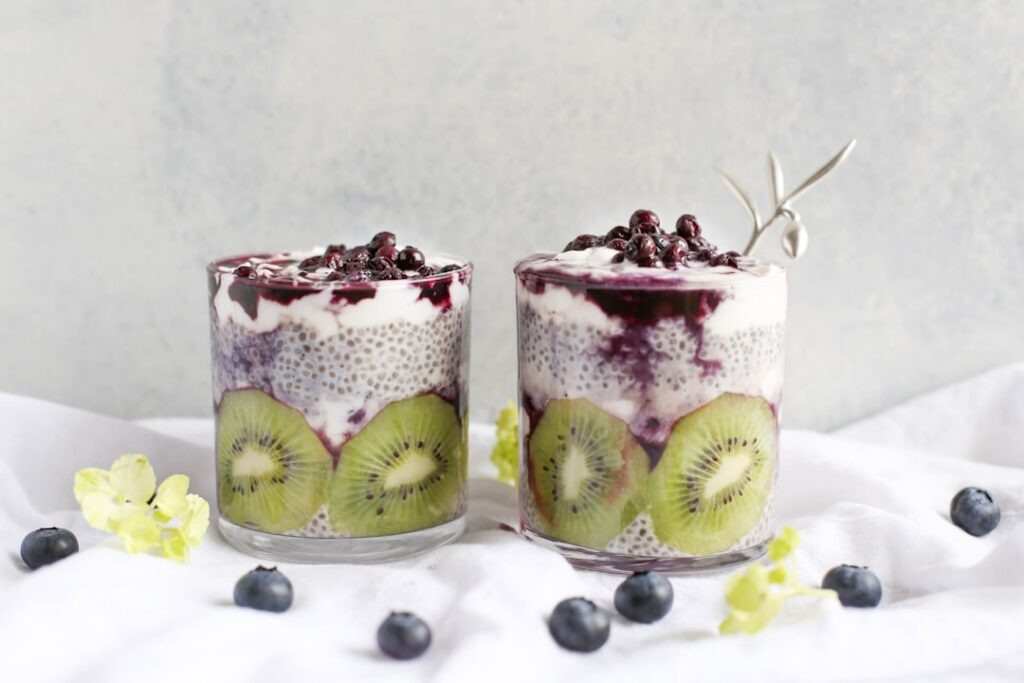 Enjoy the versatility of these tiny seeds in delicious and healthy recipes.
The Verdict: They’re All Winners!
While chia, sabja, and flax seeds might share some common ground as nutrient-dense superfoods, their unique properties make them suitable for different culinary adventures:
- Chia Seeds: Your go-to for gelling, thickening, and a significant fiber/omega-3 boost, perfect for puddings and smoothies.
- Sabja Seeds: The ultimate choice for cooling drinks and desserts, offering a distinct texture and refreshing properties.
- Flax Seeds: Best for baking and adding a potent dose of omega-3s and lignans, especially when ground.
Tips for Incorporating Seeds into Your Diet:
- Start Small: Begin with 1-2 tablespoons per day and increase gradually to allow your digestive system to adjust.
- Hydrate Well: Seeds absorb a lot of liquid, so ensure you drink plenty of water, especially when consuming them.
- Experiment: Don’t be afraid to try different recipes and see which seeds you enjoy most and how they fit into your meals.
Unlock Your Metabolic Health Potential
Understanding how to use these seeds effectively can be a simple yet powerful step towards better metabolic health and balanced blood sugar. Their fiber content helps slow down sugar absorption, contributing to more stable energy levels throughout your day.
We hope this comprehensive guide has demystified chia, sabja, and flax seeds for you, making it easier to harness their amazing health benefits. Ready to try them out? Share your favorite seed recipes with us!