Chia seeds have earned their reputation as a superfood, packed with nutrients that can significantly boost your metabolic health and overall well-being. But with so many options available on the market, how do you ensure you’re picking the best quality seeds to truly reap their benefits? Just like choosing fresh produce, knowing what to look for in your chia seeds is key.
This guide will empower you with a comprehensive checklist to ensure you’re always buying premium, nutrient-rich chia seeds. Let’s dive into what makes a quality chia seed and how to spot it!
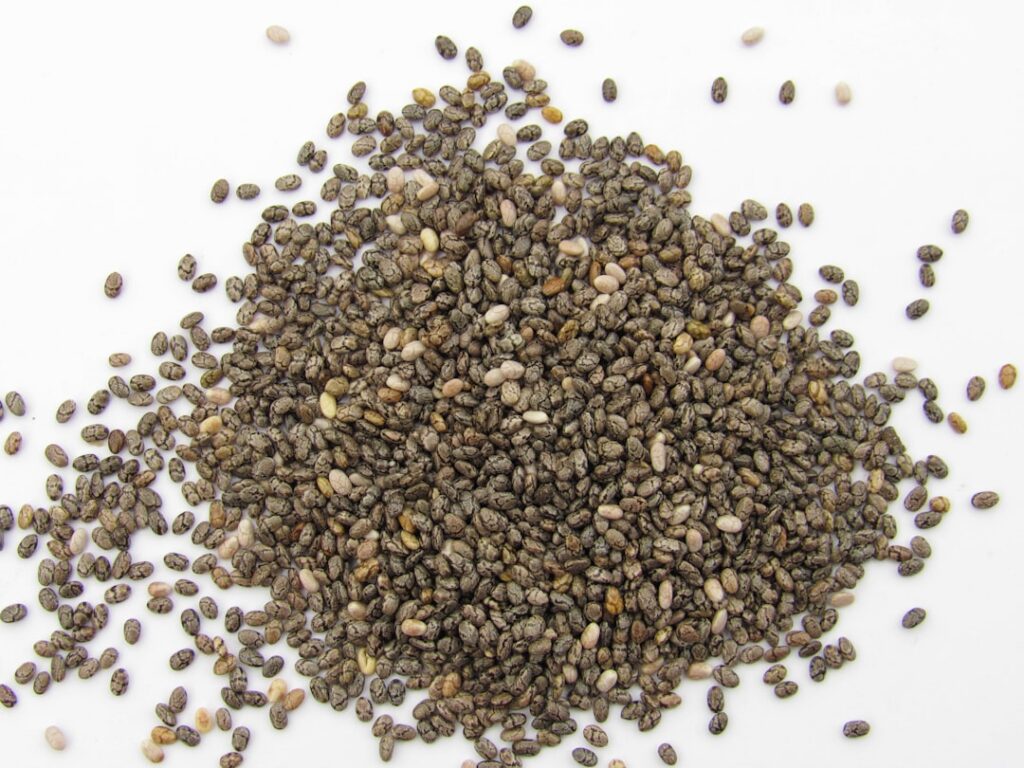
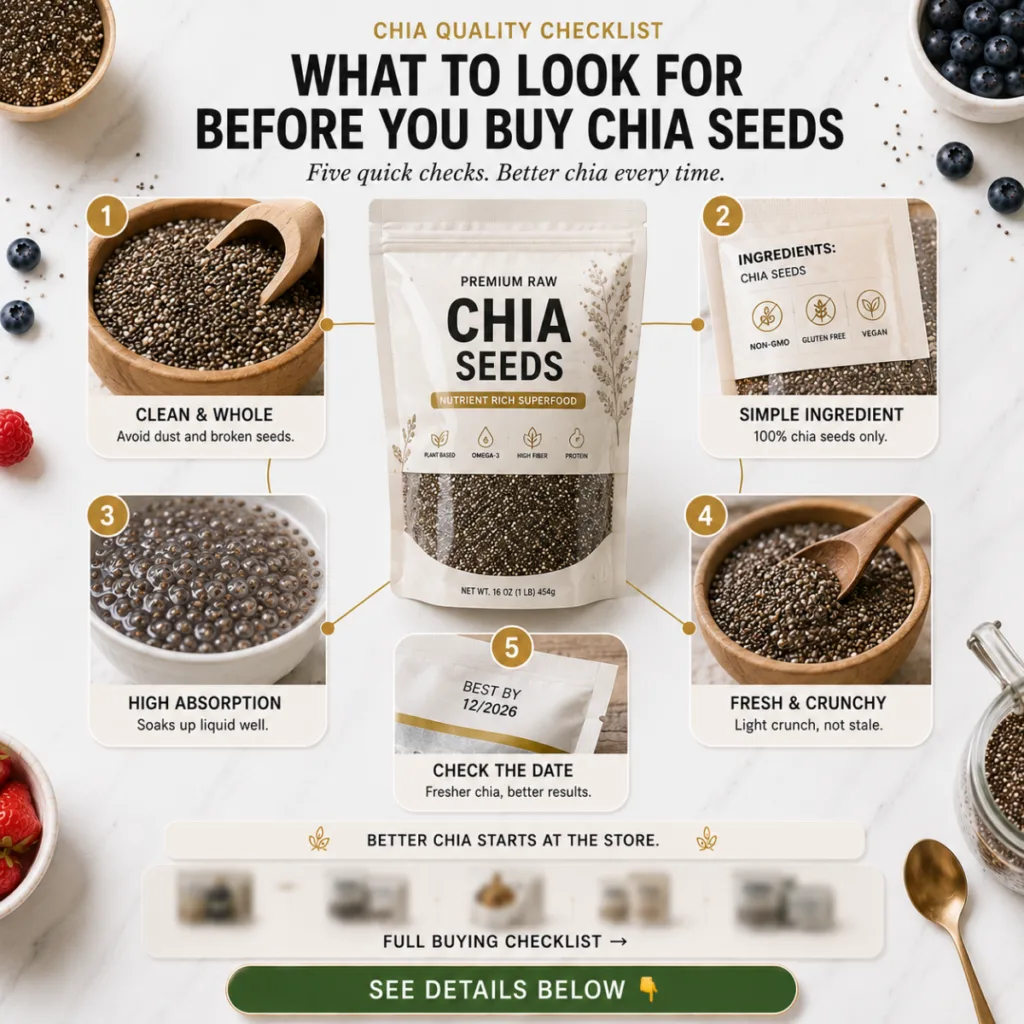 Your visual guide to identifying top-quality chia seeds.
Why Chia Seeds Are a Must-Have in Your Healthy Pantry
These tiny powerhouses are more than just a trend; they’re a nutritional staple. Chia seeds are an incredible source of:
- Fiber: Essential for digestive health, satiety, and balancing blood sugar levels.
- Omega-3 Fatty Acids: Crucial for heart health, brain function, and reducing inflammation.
- Protein: Supports muscle repair and keeps you feeling full and energized.
- Antioxidants: Help combat free radicals and support cellular health.
- Minerals: Including calcium, magnesium, and phosphorus, vital for strong bones and energy production.
To maximize these benefits, choosing high-quality seeds is paramount. Here’s your ultimate checklist:
The Ultimate Chia Seed Quality Checklist: What to Look For
1. Visual Inspection: The Look of Dry Chia Seeds
Before you even open the package, take a good look at the seeds. Quality chia seeds should:
- Have a Uniform Color: Primarily black or white. A mix of brown, reddish, or grayish seeds can indicate immaturity, poor harvesting, or contamination. While a few lighter seeds are normal, a predominantly off-color batch is a red flag.
- Be Shiny and Intact: They should have a natural sheen and appear whole, not crushed or dusty.
- Be Free from Impurities: Look for any signs of dust, dirt, small rocks, or other foreign particles. High-quality seeds are meticulously cleaned.
Why it matters: The visual appearance is often the first indicator of how the seeds were harvested, processed, and stored. Clean, uniformly colored seeds suggest careful handling and optimal ripeness.
2. The Hydration Test: How They Gel Up
One of the most unique properties of chia seeds is their ability to absorb liquid and form a gel. This “hydration test” is a fantastic indicator of quality:
- Strong Gel Formation: Add one tablespoon of chia seeds to about half a cup of water or plant-based milk. Within 10-15 minutes, they should swell and form a thick, gelatinous coating (the “mucilage”). Quality seeds can absorb 9-12 times their weight in liquid.
- Clear and Odorless Gel: The gel should be clear, not murky or discolored. It should also be neutral in smell; any off-putting, rancid, or moldy odor is a sign of poor quality or spoilage.
Why it matters: This gel-forming ability is crucial for the seed’s benefits, including promoting satiety and aiding digestion. Poor gel formation can mean the seeds are old, damaged, or of inferior quality, which also impacts their nutritional integrity.
 The perfect gel consistency is a clear sign of fresh, high-quality chia seeds.
3. Ingredient Label Scrutiny: Purity is Key
Always flip the package over and read the ingredient list carefully:
- 100% Chia Seeds: The ideal label should simply say “Chia Seeds” or “Organic Chia Seeds.” Avoid products with added sugars, oils, preservatives, or other fillers that dilute the nutritional value.
- Origin Information: While not always present, some brands specify the country of origin, which can sometimes hint at sourcing standards.
- Certifications: Look for organic certification (USDA Organic, EU Organic, etc.) and non-GMO labels to ensure they are free from pesticides and genetically modified organisms.
Why it matters: A pure product ensures you’re getting all the good stuff without unwanted additives. Certifications provide an extra layer of trust regarding growing and processing standards.
4. Expiration Date and Packaging
These practical aspects are vital for freshness and shelf life:
- Check the Expiration Date: Always select packages with a distant expiration date to ensure maximum freshness and potency. Chia seeds are stable, but they do have a shelf life.
- Airtight and Opaque Packaging: Look for packaging that is sealed, airtight, and ideally opaque. Exposure to air, moisture, and light can cause the delicate omega-3s to oxidize and turn rancid, compromising both taste and health benefits. Resealable bags are a plus for home storage.
Why it matters: Freshness directly impacts the nutritional value and taste. Proper packaging protects the seeds from environmental factors that can degrade their quality.
5. Reputable Brand and Sourcing Practices
While harder to assess on the spot, brand reputation matters:
- Transparent Sourcing: Brands that are open about where and how their chia seeds are sourced often adhere to higher quality standards.
- Customer Reviews: A quick online search for reviews can give you insights into product consistency and customer satisfaction.
Why it matters: Choosing a reputable brand increases your likelihood of consistently receiving a high-quality product that aligns with ethical and sustainable practices.
Tips for Buying and Storing Your Quality Chia Seeds
- Buy Smart: If you use chia seeds frequently, buying in slightly larger, but still manageable, quantities from a trusted source can be cost-effective. However, avoid extremely large bulk purchases unless you consume them very quickly.
- Optimal Storage: Once opened, transfer your chia seeds to an airtight container. Store them in a cool, dark place like your pantry. For extended freshness, especially in warmer climates, the refrigerator or even freezer can significantly prolong their shelf life.
Simple Ways to Enjoy Your High-Quality Chia Seeds
Once you’ve secured your premium chia seeds, incorporating them into your daily routine is easy and delicious:
- Chia Puddings: The classic! Mix with milk (dairy or plant-based) and your favorite sweetener, then chill overnight for a delightful breakfast or snack.
- Smoothie Booster: Add a tablespoon or two to your morning smoothie for an extra dose of fiber and omega-3s.
- Oatmeal and Yogurt Topping: Sprinkle them over your breakfast bowl for added texture and nutrients.
- Baked Goods: Incorporate them into muffins, breads, or energy bars.
- Egg Substitute: A “chia egg” (1 tbsp chia seeds + 3 tbsp water, let sit for 5 minutes) is a fantastic vegan binder for baking.
Build Confidence in Your Healthy Choices
By following this comprehensive checklist, you’ll feel confident every time you select chia seeds, knowing you’re investing in your health with a truly beneficial ingredient. Making informed choices about the food you eat is a powerful step towards achieving your wellness goals. Enjoy the amazing benefits of high-quality chia seeds!