Most people know guava for its sweet, tropical fruit, a delightful snack or ingredient in juices and desserts. But what if we told you the real treasure, the part many herbalists keep close, lies not in the fruit itself, but in its often-discarded leaves? One small preparation mistake can ruin the whole batch, but getting it right unlocks a world of natural support. It’s time to shift our focus from the familiar fruit to the unexpected powerhouse: guava leaves.
What Guava Leaves Are (and Why They Matter)
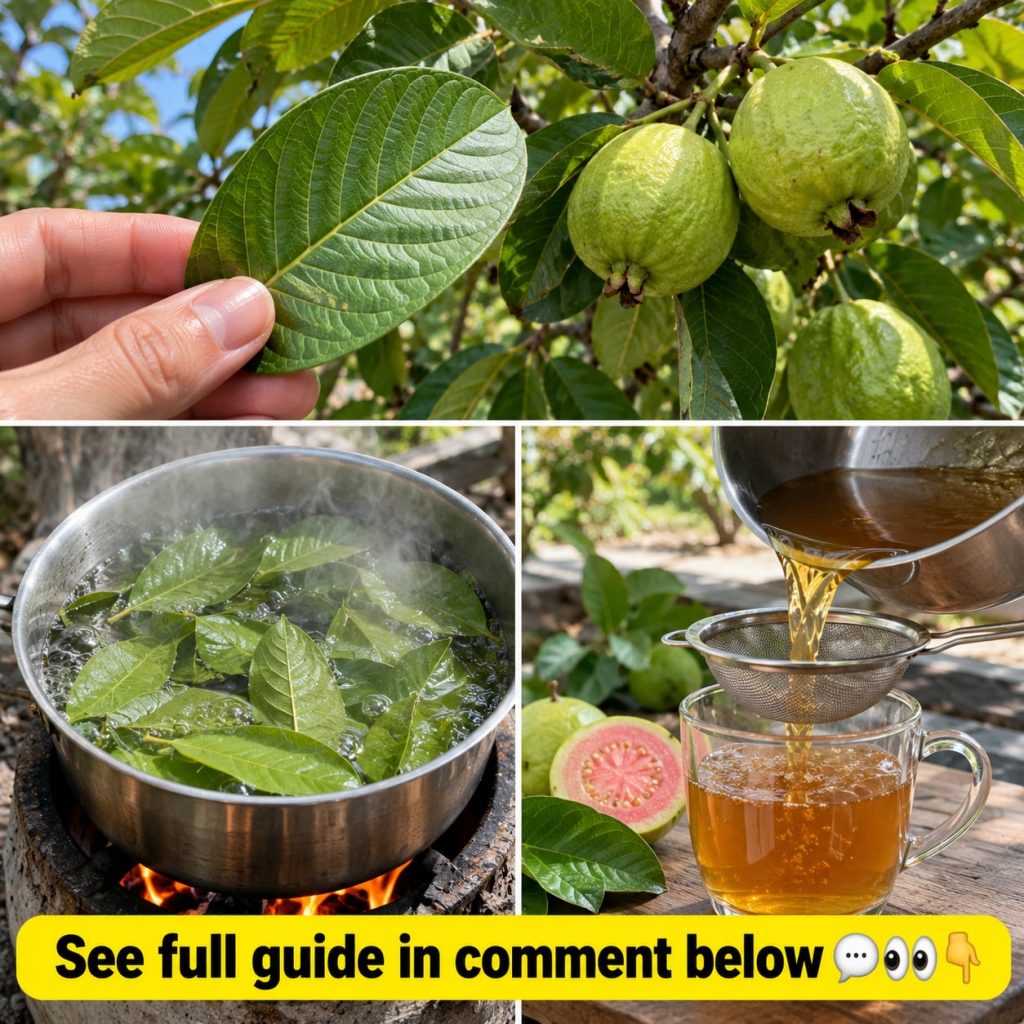
Guava leaves come from the common guava tree (Psidium guajava), a small tree native to Central and South America. While the fruit is celebrated globally, the leaves have a long-standing tradition in various cultures for their wellness properties. They are not merely foliage; they are a source of natural compounds, including antioxidants, anti-inflammatory agents, and antibacterials, that make them a versatile ingredient in natural remedies. Unlike the fruit, the leaves are typically used for infusions, decoctions, or topical applications.
Ingredients for Your Guava Leaf Remedy
For a simple and effective guava leaf tea or rinse, you only need two primary ingredients:
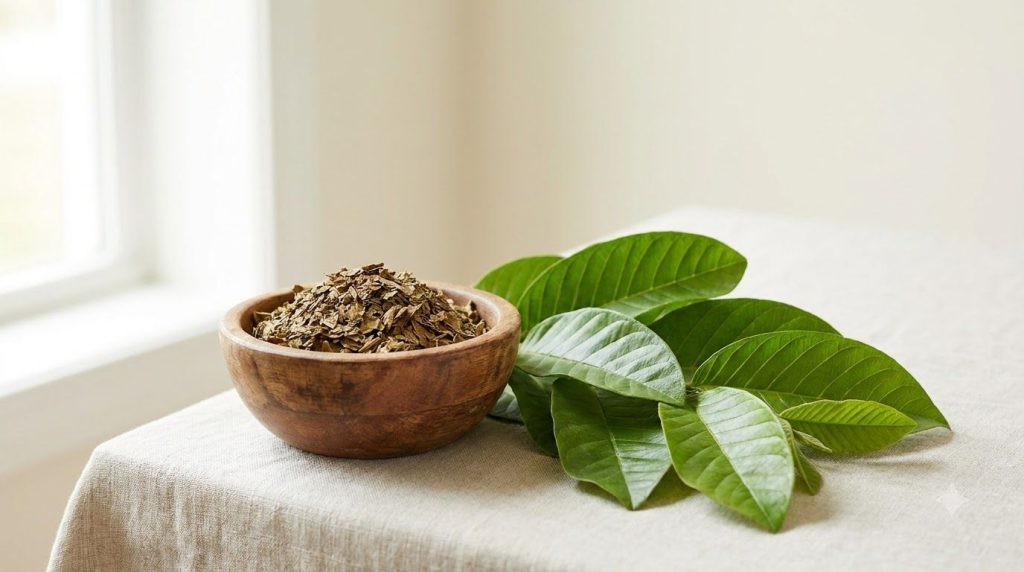
- Guava Leaves: Fresh or dried.
- Water: Filtered or distilled is preferred for purity.
Approximate Measurements
Getting the concentration right is crucial for effectiveness without waste. Here’s a good starting point:
- For Tea: 10-15 fresh guava leaves OR 1-2 tablespoons of dried, crushed guava leaves per 1 cup (240ml) of water.
- For Rinse/Topical Use: Double the leaf quantity (20-30 fresh leaves or 3-4 tablespoons dried) per 2 cups (480ml) of water for a stronger decoction.
Formula / Recipe: Guava Leaf Infusion (Tea/Rinse Base)
This simple infusion is the foundation for most guava leaf remedies. It’s not a complex ‘recipe’ but rather a precise method to extract the beneficial compounds.
- Prepare Leaves: If using fresh leaves, thoroughly wash them under cool running water to remove any dirt or residue. Pat them dry. If using dried leaves, ensure they are clean and free from debris.
- Heat Water: Bring the measured amount of water to a rolling boil in a clean pot or kettle.
- Add Leaves: Once the water is boiling, add the fresh or dried guava leaves.
- Simmer (for topical use) or Steep (for tea):
- For a Topical Rinse (stronger): Reduce heat to low, cover, and let it gently simmer for 15-20 minutes. This allows for greater extraction.
- For a Drinkable Tea (lighter): Turn off the heat immediately after adding leaves, cover the pot, and let it steep for 5-10 minutes.
- Strain: Carefully strain the liquid into a clean mug or container, discarding the leaves.
- Cool: Allow the liquid to cool to a comfortable drinking temperature if consuming, or to room temperature if using as a topical rinse.
Quick Tip: Don’t Over-Boil for Tea!
Boiling fresh guava leaves for too long can sometimes diminish some of their more delicate compounds. For tea, steeping after bringing the water to a boil is often sufficient and creates a milder, more pleasant flavor. Save the longer simmer for topical applications where maximum extraction is desired.
How to Use Your Guava Leaf Remedy
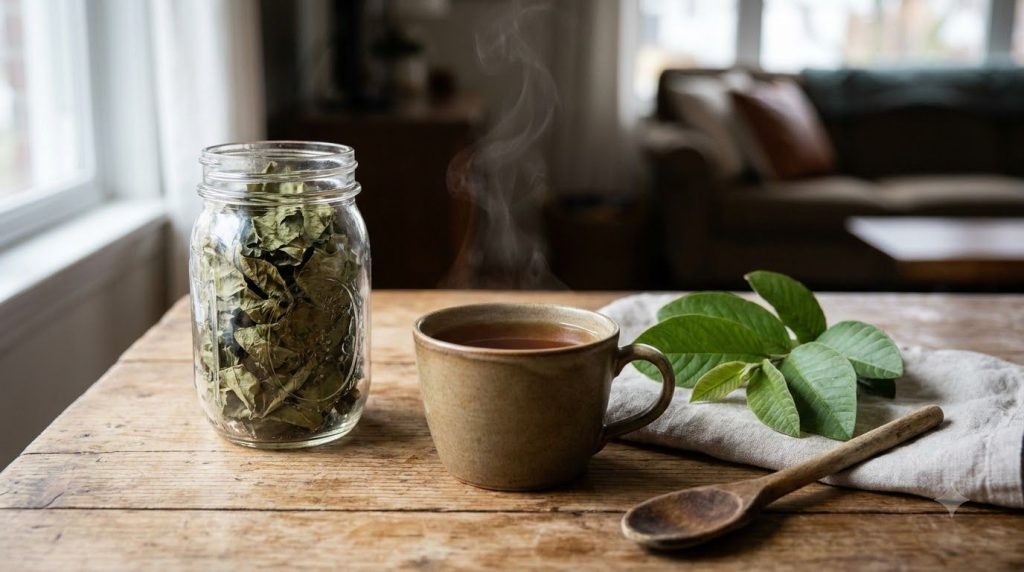
- As a Tea: Drink 1 cup, usually in the morning or evening. It has a mild, earthy flavor.
- As a Topical Rinse: Once cooled, use the liquid to rinse hair or skin. For hair, apply to the scalp after shampooing, massage gently, and either rinse out after 10-15 minutes or leave in. For skin, gently dab onto affected areas with a cotton pad.
- For Mouth Rinsing: Use a cooled, diluted version as a mouth rinse to support oral hygiene.
How Often to Use
- Tea: Generally, 1-2 cups per day is a common recommendation for general wellness support. Listen to your body and adjust as needed.
- Topical Rinse: 2-3 times per week, or as needed for specific concerns.
How to Buy / How to Choose Ingredients
The quality of your guava leaves directly impacts the potency of your remedy.
Fresh Guava Leaves:
- Source: Ideally, from an organic garden or a trusted grower who does not use pesticides.
- Appearance: Look for vibrant green leaves, free from blemishes, spots, or insect damage. Avoid yellowing or wilting leaves.
- Harvesting: Pick mature leaves, not the very young, tender ones.
Dried Guava Leaves:
- Source: Purchase from reputable herbal suppliers or organic stores.
- Form: Often available whole or cut and sifted. Whole leaves retain more potency.
- Aroma: Should have a mild, earthy scent. Avoid any that smell musty or chemical.
- Expiration: Check the best-by date and ensure proper sealing.
Fresh vs. Dried Guava Leaves
| Feature | Fresh Guava Leaves | Dried Guava Leaves |
|---|---|---|
| Availability | Seasonal, garden-dependent | Year-round, easy to store |
| Potency | Often considered more potent due to freshness | Slightly less potent, but still effective if stored correctly |
| Preparation | Requires washing, slightly more volume | Ready to use, less volume needed |
| Storage | Refrigerate up to 5-7 days | Airtight container, cool, dark place (up to 1 year) |
| Flavor (Tea) | Fresher, sometimes subtly sweeter | More robust, earthy, sometimes slightly bitter |
Storage for Your Guava Leaf Remedies
- Fresh Leaves: Store unwashed fresh leaves in a perforated plastic bag in the refrigerator for up to one week. Wash just before use.
- Dried Leaves: Keep dried, crushed leaves in an airtight container away from direct sunlight, heat, and moisture. They can last for up to a year.
- Prepared Infusion/Tea: Store any leftover strained liquid in a sealed glass jar in the refrigerator for up to 2-3 days. Discard if it develops an off-smell or appearance.
Practical Tips for Best Results
- Source Matters: Always prioritize organically grown leaves to avoid pesticides and other chemicals.
- Cleanliness: Wash fresh leaves thoroughly, even if they appear clean.
- Taste Adjustment: If the tea is too strong or bitter, dilute it with more hot water or add a touch of honey or lemon.
- Consistency: Regular use, as advised, is key for experiencing potential benefits.
- Don’t Re-boil Leaves: Once the leaves have been used for an infusion, their active compounds are mostly extracted. Re-boiling them will yield a much weaker result.
Common Mistakes to Avoid
- Using Sprayed Leaves: Never use leaves from plants that have been treated with pesticides or herbicides.
- Boiling Tea Too Long: For tea meant for drinking, a long boil can make it overly bitter and potentially degrade some heat-sensitive compounds. Steeping is better.
- Improper Storage: Leaving fresh leaves out or storing dried leaves in damp conditions can lead to spoilage and mold.
- Wrong Concentration: Too few leaves will yield a weak remedy; too many can make the taste unpalatable or be unnecessarily strong.
- Ignoring Cautions: Failing to consider potential interactions or personal health conditions.
Cautions / Who Should Avoid It
While generally considered safe for most people when consumed in moderation, there are a few considerations:
- Pregnancy & Breastfeeding: Limited research exists. It’s best to consult a healthcare provider before use.
- Allergies: If you have allergies to guava fruit or other related plants, exercise caution.
- Medication Interactions: Guava leaves may have a mild effect on blood sugar. Individuals on diabetes medication should monitor their blood sugar closely and consult a doctor. They may also interact with blood-thinning medications.
- Topical Use: Perform a patch test on a small area of skin first to check for any allergic reactions.
Quick Summary: Your Guava Leaf Cheat Sheet
- Best Preparation: Infusion (steep for tea, simmer for rinse).
- Best Use-Case: Drink as a tea for general wellness or use as a topical rinse for skin/hair.
- Storage: Fresh leaves refrigerated for a week; dried leaves in airtight container for up to a year; prepared liquid refrigerated for 2-3 days.
- When to Use: Daily for tea, 2-3 times a week for topical applications.
- What to Avoid: Sprayed leaves, over-boiling tea, ignoring personal health cautions.
FAQ
Here are some common questions about using guava leaves:
- Can I use fresh or dried guava leaves?
Yes, both are effective. Fresh leaves often have a slightly different flavor profile. - How long does guava leaf tea last in the refrigerator?
The prepared tea or rinse should be stored in a sealed container in the refrigerator and consumed within 2-3 days. - How often should I drink guava leaf tea?
Typically, 1-2 cups per day is a common recommendation, but always listen to your body and consult a healthcare professional if you have concerns. - What part of the guava plant is best to use?
For remedies, the mature leaves are the primary part used. - Can I reuse the leaves for another batch?
No, once steeped or simmered, most of the beneficial compounds have been extracted. A second use will yield a significantly weaker result. - When should I avoid using guava leaves?
Avoid if pregnant, breastfeeding, allergic, or if you are on medications for diabetes or blood thinning without consulting a doctor first. - Can I add other ingredients to my guava leaf tea?
Yes, you can add honey, lemon, or other complementary herbs like ginger for enhanced flavor and additional benefits.
Conclusion
The humble guava leaf, often overshadowed by its sweet fruit, offers a world of practical, accessible wellness. From a soothing tea to a refreshing topical rinse, its natural properties make it a valuable addition to your home remedy toolkit. By following these simple preparation and usage guidelines, you can tap into this overlooked natural treasure. Don’t let this botanical secret remain hidden any longer.
You may also like: Easy Homemade Ginger Tea Remedy
Read more: DIY Aloe Vera Skin Soothing Mask