Are uninvited insect guests making their way into your home through window screens? Dealing with pests can be frustrating, especially when you prefer to avoid harsh chemical sprays. This simple, natural repellent offers an eco-friendly way to create an invisible barrier, helping to keep common household insects at bay while leaving your screens fresh.
It’s a practical and straightforward method to improve your home’s comfort without exposing yourself or your family to strong synthetic ingredients. Let’s make your windows a less appealing entry point for those tiny intruders.
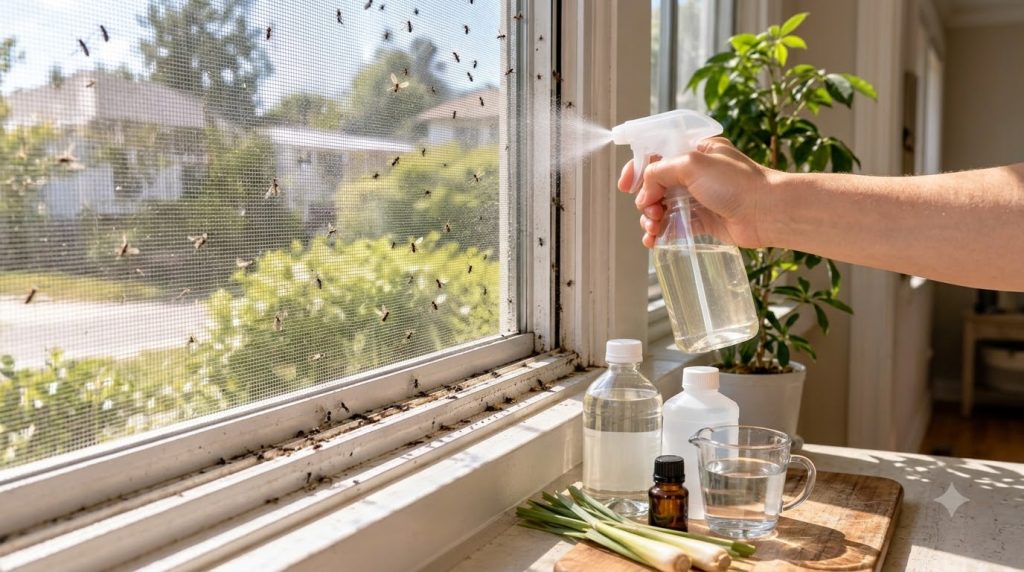
What You’ll Need
Ingredients:
- 2-3 stalks of fresh lemongrass, roughly chopped
- 2 cups of water (distilled or filtered is best)
- 20-30 drops of essential oil (lemongrass, citronella, peppermint, or eucalyptus work well)
Tools:
- Small saucepan
- Strainer (fine mesh is ideal)
- Measuring cups
- Heat-safe bowl or jar
- Clean spray bottle (at least 16 oz capacity)
Why This DIY Can Be Useful
This DIY repellent leverages the natural properties of plants to deter insects. Lemongrass, for instance, contains citral and geraniol, compounds known for their insect-repelling qualities. Essential oils like citronella, peppermint, and eucalyptus also possess strong aromatic properties that many insects find unpleasant, encouraging them to stay away without harming them. Using a natural solution helps you maintain a more pleasant indoor environment free from the strong odors and potential residues of chemical alternatives.
How to Make It
- Prepare the Lemongrass: Thoroughly wash and roughly chop the 2-3 stalks of fresh lemongrass. Don’t worry about finely dicing them; larger pieces are fine for infusing.
- Simmer the Infusion: Place the chopped lemongrass into a small saucepan with 2 cups of water. Bring the mixture to a gentle simmer over medium heat, then reduce the heat to low and let it simmer for about 15-20 minutes. This allows the beneficial compounds to extract into the water.
- Cool and Strain: Remove the saucepan from the heat and let the lemongrass infusion cool completely. Once cool, strain the liquid into a heat-safe bowl or jar, discarding the solid lemongrass pieces. You should have a fragrant lemongrass tea.
- Add Essential Oil: To the cooled lemongrass liquid, add 20-30 drops of your chosen essential oil. If using multiple oils, you can combine them. Stir well to ensure the essential oil is evenly dispersed.
- Transfer to Spray Bottle: Carefully pour the finished insect repellent mixture into your clean spray bottle. Secure the cap tightly.
How to Use It
- Shake Well: Always shake the spray bottle well before each use, as essential oils can separate from water over time.
- Target Screens: Lightly mist your window screens from the outside. Focus on an even, fine spray that coats the mesh without saturating it.
- Address Sills: You can also lightly spray the windowsill and frame areas where insects might crawl or rest, then wipe clean with a damp cloth to remove any debris and leave a repellent residue.
- Reapply Regularly: For best results, reapply the spray every few days or after heavy rain, as its efficacy may diminish over time due to exposure to the elements.
What to Expect
This natural spray is designed to deter insects, not to act as an insecticide to kill them on contact. You should notice a reduction in the number of insects gathering on or trying to enter through your treated window screens. The repellent creates an aromatic barrier that makes the area less appealing to common household pests. While it may not eliminate every single insect, it significantly helps in reducing their presence naturally. Consistent application is key to maintaining its effectiveness.
Helpful Tips
- Alternate Essential Oils: If you find one essential oil isn’t as effective, try a different one or a blend. Common repellent oils include lemongrass, citronella, peppermint, eucalyptus, tea tree, and lavender.
- Boost Preservation: For a slightly longer shelf life and improved dispersion of essential oils, you can add 1 tablespoon of witch hazel or rubbing alcohol to the mixture before adding it to the spray bottle.
- Indoor Plants: Some people find gently misting the area around certain indoor plants can also deter pests, but always do a patch test on a small leaf first to ensure it doesn’t harm the plant.
- Cleanliness: Regularly cleaning your screens and windowsills of dead insects and debris will enhance the effectiveness of the repellent.
Important Notes / Safety
- Patch Test: Before widespread use, it’s always wise to test the spray on an inconspicuous part of your window frame or screen to ensure it doesn’t cause any discoloration or damage.
- Avoid Eyes and Skin: While natural, essential oils can be irritating if they come into direct contact with eyes or sensitive skin. Wash hands thoroughly after handling.
- Ventilation: Use in a well-ventilated area, especially when spraying outdoors.
- Pet Safety: Some essential oils can be harmful to pets, especially cats. If you have pets, research the specific essential oils you plan to use or consult your vet to ensure they are safe for your furry friends.
- Storage: Store the repellent in a cool, dark place away from direct sunlight. Homemade solutions generally have a shorter shelf life than commercial products, typically lasting a few weeks to a month. Discard if you notice any changes in smell or appearance.