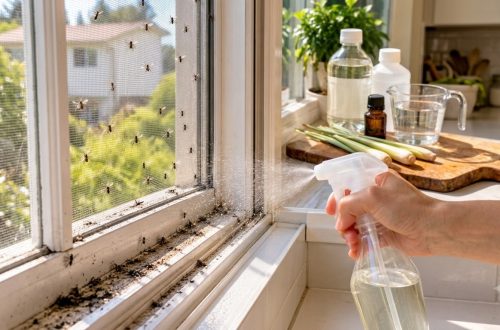
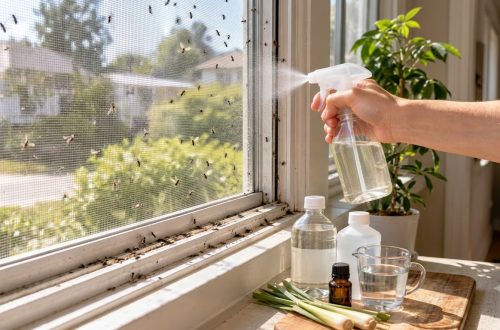
Tired of store-bought bug sprays with their strong, sometimes chemical-smelling odors? If you’re looking for a fresh, natural alternative to help keep pesky insects at bay, a homemade lemongrass repellent might be just what you need. This simple DIY solution harnesses the power of natural ingredients to create a refreshing spray that can make your outdoor experiences more enjoyable, without the harsh chemicals.
It’s an easy and cost-effective way to tackle those buzzing nuisances, perfect for summer evenings on the patio or peaceful outdoor adventures.
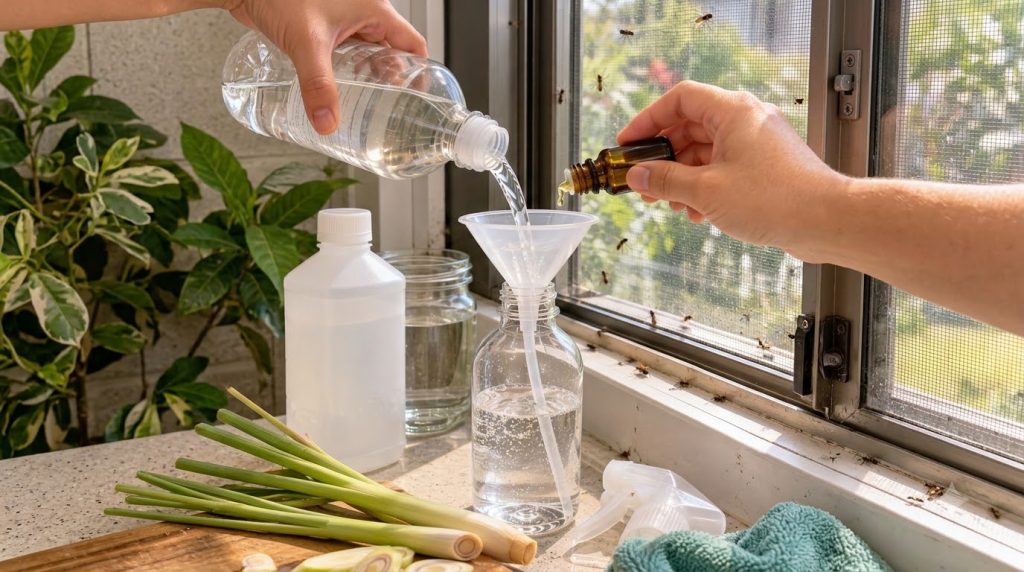
What You’ll Need
Ingredients:
- 2 tablespoons (30ml) Witch Hazel or Rubbing Alcohol (for dispersion)
- 20-30 drops Lemongrass Essential Oil
- 1/2 cup (120ml) Distilled Water
- 1-2 stalks Fresh Lemongrass, chopped (optional, for added aroma)
Tools:
- Small spray bottle (approximately 4 oz or 120ml capacity)
- Small funnel
- Measuring spoons
- Cutting board and knife (if using fresh lemongrass)
Why This DIY Can Be Useful
This DIY repellent leverages the natural properties of lemongrass. Lemongrass essential oil contains compounds like citronellal and geraniol, which are known for their insect-repelling qualities. These natural aromas are pleasant to humans but less so to bugs, helping to deter them. Witch hazel or rubbing alcohol acts as an emulsifier, helping the essential oil disperse evenly in the water and evaporate cleanly, preventing a greasy feel. Distilled water is used to dilute the solution to a safe concentration for application.
How to Make It
- Prepare Fresh Lemongrass (Optional): If you’re using fresh lemongrass, chop 1-2 stalks into small pieces. You can place these directly into your spray bottle now or steep them in a small amount of hot distilled water for about 15-20 minutes, then strain the liquid before adding to the bottle for a stronger infusion.
- Combine Carrier and Oil: Using your funnel, pour 2 tablespoons of witch hazel or rubbing alcohol into your clean spray bottle. Add 20-30 drops of lemongrass essential oil.
- Mix Well: Secure the spray bottle lid and shake gently for about 30 seconds to ensure the essential oil is well-dispersed in the witch hazel/alcohol. This step is crucial for preventing the oil from separating and floating on top of the water.
- Add Water: Remove the lid and, using the funnel, carefully fill the rest of the spray bottle with distilled water (approximately 1/2 cup or 120ml, or until the bottle is full, leaving a little room for shaking).
- Final Shake: Replace the lid tightly and shake the bottle vigorously for another 30 seconds to fully combine all ingredients.
How to Use It
- On Skin: For external use on skin, always perform a patch test on a small, inconspicuous area first to check for any sensitivities. If no irritation occurs after a few hours, you can lightly mist the repellent on exposed skin, avoiding eyes, mouth, and sensitive areas. Reapply every 1-2 hours or as needed.
- On Clothing and Surroundings: Lightly spray the repellent on clothing, picnic blankets, outdoor furniture, or around doorways and windows to create a scented barrier.
- Shake Before Each Use: Always give the bottle a good shake before each application to ensure the essential oils are properly mixed.
What to Expect
This DIY lemongrass repellent offers a pleasant, natural aroma that can help deter common flying insects like mosquitoes and gnats. While it provides a good level of protection, remember that natural repellents may require more frequent reapplication compared to their synthetic counterparts. You can expect a reduction in bug encounters, particularly in areas where you’ve applied the spray, rather than a complete elimination of all insects.
Helpful Tips
- Alternate Essential Oils: If you don’t have lemongrass, or want to try other scents, essential oils like citronella, eucalyptus, lavender, or peppermint are also known for their insect-repelling properties. You can even create a blend!
- Storage: Store your homemade repellent in a cool, dark place. The shelf life is typically a few weeks to a month, as natural ingredients can degrade over time.
- Travel Size: Consider making smaller batches in travel-sized spray bottles for convenience when on the go.
Important Notes / Safety
- Patch Test: Always perform a patch test on a small area of skin before widespread application, especially if you have sensitive skin or are new to essential oils.
- Dilution: Essential oils are potent. Always dilute them properly as described in the recipe. Undiluted essential oils can cause skin irritation.
- Avoid Eyes and Mouth: Be careful to avoid spraying near your eyes, mouth, or other mucous membranes.
- Pet Safety: While many essential oils are safe for humans when properly diluted, some can be toxic to pets. Consult your veterinarian before using essential oil-based products around animals.
- Children: Use caution when applying to children; consider a more diluted solution or apply to their clothing instead of direct skin.
- Not a Substitute for Medical Advice: This DIY repellent is not intended to treat or prevent diseases. If you are in an area with a high risk of insect-borne diseases, consult a healthcare professional for recommended protective measures.