
Most people walk right past it, dismissing its tall, velvety stalks and bright yellow flowers as just another roadside weed. But for those in the know, this common plant is nothing short of a treasure chest of natural remedies. We’re talking about Mullein (Verbascum thapsus) – an herb that grows in abundance, yet its incredible practical uses remain largely unknown to the general public.
Often found thriving in disturbed soil, meadows, and along fence lines, Mullein has a long history in traditional practices, particularly for its soothing properties. While its striking appearance makes it hard to miss, it’s what’s inside its leaves and flowers that truly counts. If you’ve been searching for a simple, accessible natural aid, you’ve just stumbled upon one of nature’s best-kept secrets.
What is Mullein (Verbascum thapsus)?
Mullein is a biennial plant, meaning it lives for two years. In its first year, it forms a large rosette of soft, fuzzy leaves. In its second year, it sends up a tall, straight stalk, sometimes reaching several feet high, adorned with vibrant yellow flowers. These flowers bloom progressively up the stalk over the summer months. Both the leaves and flowers are valued in herbalism, especially for their mucilaginous compounds which are thought to soothe irritated tissues.
Key Ingredients for Mullein Tea
The beauty of a Mullein remedy is its simplicity. You only need two core ingredients:
- Mullein Leaves or Flowers: Fresh or dried, these are the star of the show.
- Water: Filtered water is always recommended for the best taste and purity.
Approximate Measurements
- Dried Mullein Leaves/Flowers: 1-2 teaspoons
- Fresh Mullein Leaves/Flowers: 1-2 tablespoons (roughly chopped)
- Hot Water: 8-10 ounces (about 1 cup)
The Simple Formula: Mullein Infusion
The most common and effective way to harness Mullein’s benefits is through a warm infusion, often called Mullein tea. This method gently extracts the soothing compounds without damaging them with excessive heat.
Step-by-Step Method for Mullein Tea
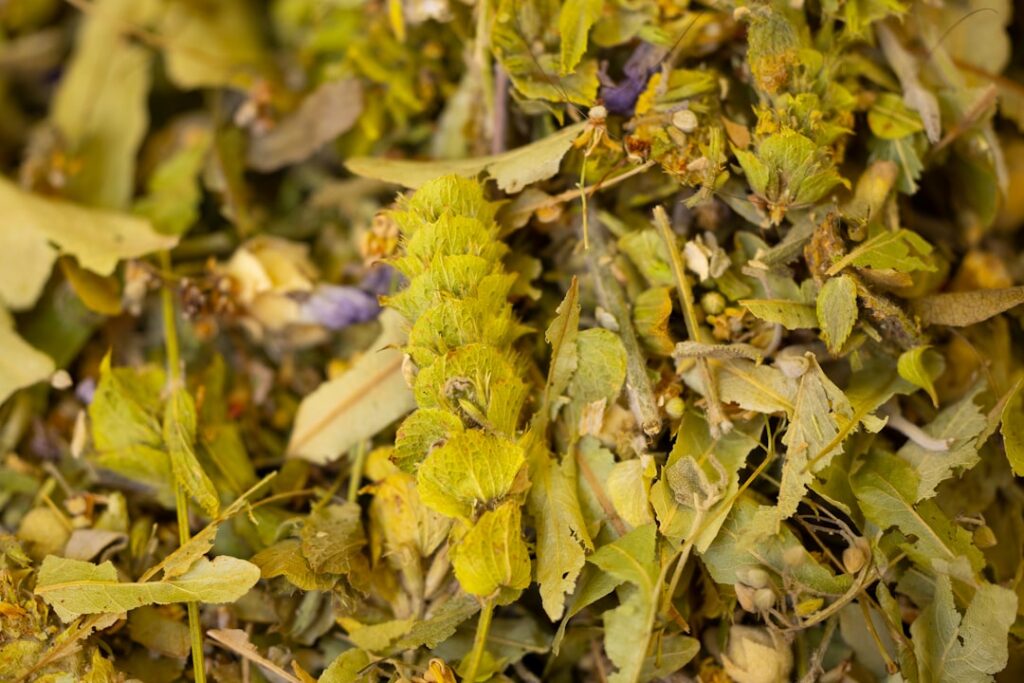
- Prepare Your Mullein: If using fresh leaves, gently rinse them and roughly chop. If using fresh flowers, simply pick them. For dried Mullein, measure out your desired amount.
- Heat Water: Bring your filtered water to a near-boil. You want it hot, but not aggressively boiling, as this can degrade some delicate compounds.
- Combine and Steep: Place your Mullein material into a tea infuser, a French press, or directly into a mug. Pour the hot water over the Mullein.
- Cover and Steep: Cover your mug or vessel. This is a crucial step often skipped! Covering prevents volatile oils and beneficial vapors from escaping with the steam. Steep for 10-15 minutes.
- Strain Thoroughly: Mullein leaves have fine hairs that can be irritating if ingested. Strain your tea through a fine-mesh sieve, a coffee filter, or even a cheesecloth-lined strainer to ensure all particles are removed. This step is non-negotiable for a comfortable drinking experience.
- Serve: Enjoy warm. You can add a squeeze of lemon or a touch of honey if desired, but many find the flavor pleasant on its own.
How to Use Mullein Tea
Mullein tea is primarily revered for its soothing effects on the respiratory system. It’s a popular choice for:
- Soothing Coughs: Helps calm irritated throats and reduces the urge to cough.
- Easing Congestion: Traditionally used as an expectorant, helping to loosen and expel mucus from the lungs.
- Supporting Bronchial Health: May help comfort the airways during seasonal challenges.
It can also be used as a gargle for sore throats or as a compress for external skin irritations, though internal consumption as a tea is its most common application.
How Often to Use It
For acute needs, you can drink Mullein tea 2-3 times a day. For general support or ongoing wellness, once a day may suffice. Always listen to your body and adjust as needed. It’s generally recommended to use Mullein for a few days to a couple of weeks at a time for acute issues.
Quick Tip: For extra soothing power, try combining Mullein tea with a spoonful of local raw honey. Honey itself is a natural cough suppressant and can enhance the tea’s comforting effects.
How to Buy / How to Choose Ingredients
Sourcing quality Mullein is key to an effective remedy:
- Wild Harvesting: If you plan to wild harvest, ensure you positively identify the plant and that it grows in an area free from pesticides, herbicides, and heavy road pollution. Harvest leaves in the first year before the stalk forms, or flowers from the second-year stalk.
- Herbal Suppliers: For convenience and consistency, purchase dried Mullein leaves or flowers from reputable herbal suppliers. Look for organic and ethically sourced options.
- Fresh vs. Dried: Dried Mullein is more concentrated and convenient for storage. Fresh Mullein can be used immediately but has a shorter shelf life and requires more volume.
Comparison: Fresh vs. Dried Mullein
| Feature | Fresh Mullein | Dried Mullein |
|---|---|---|
| Potency | Slightly less concentrated | More concentrated by weight |
| Availability | Seasonal (spring/summer) | Year-round from suppliers |
| Preparation | Rinse, chop; more volume needed | Ready to use; less volume needed |
| Storage | Perishable; use immediately or dry | Stores well for 1-2 years |
| Flavor | Milder, sometimes grassier | Earthier, subtly sweet |
Storage
Dried Mullein: Store in an airtight container (like a glass jar) in a cool, dark, dry place. Properly stored dried Mullein can retain potency for 1-2 years.
Prepared Tea: Mullein tea is best consumed fresh. If you have leftovers, store them in an airtight container in the refrigerator for up to 24 hours. Reheat gently, but fresh is always preferred.
Practical Tips for Best Results
- Always Strain: We can’t emphasize this enough. The fine hairs on Mullein leaves can cause throat irritation if not strained completely.
- Start Small: If you’re new to Mullein, begin with a smaller amount (1 teaspoon dried) and observe how your body responds before increasing.
- Consistency is Key: For ongoing support, consistent daily use for a period is more beneficial than sporadic consumption.
- Quality Water: Using good quality, filtered water can make a difference in the taste and overall purity of your infusion.
Common Mistakes to Avoid
Even with a simple remedy like Mullein tea, a few pitfalls can diminish its effectiveness or comfort:
- Skipping the Strainer: The most common mistake. Don’t skip it, even if you think you’ve used a bag. Use a fine mesh.
- Boiling Mullein: Mullein is best infused, not boiled. Boiling can destroy delicate compounds.
- Using Sprayed Plants: Never harvest Mullein from roadsides or areas known to be treated with pesticides or herbicides.
- Misidentification: Always be 100% sure you have identified Mullein correctly before consuming. If in doubt, purchase from a reputable supplier.
- Over-Steeping: While not harmful, over-steeping won’t necessarily make the tea stronger or better. Stick to the 10-15 minute recommendation.
Cautions / Who Should Avoid It
While generally considered safe for most adults, there are a few considerations:
- Pregnancy and Breastfeeding: Mullein’s safety during pregnancy and breastfeeding has not been sufficiently studied. It’s best to avoid use during these times or consult a healthcare professional.
- Medication Interactions: If you are taking any prescription medications, especially diuretics or blood thinners, consult your doctor before using Mullein.
- Allergies: Though rare, some individuals may be sensitive to Mullein or other plants in the figwort family. Discontinue use if you experience any adverse reactions.
Always consult with a healthcare provider before starting any new herbal remedy, especially if you have underlying health conditions.
Quick Summary
Mullein is a versatile herb, particularly known for respiratory support. To prepare, infuse 1-2 teaspoons of dried leaves/flowers in 8-10 ounces of hot water for 10-15 minutes, then strain meticulously through a fine-mesh filter. Best consumed warm, 2-3 times daily for acute issues. Store dried Mullein in an airtight, cool, dark place. Always prioritize thorough straining and quality sourcing.
Related remedy: Learn how to make a soothing Ginger & Turmeric Tonic for immune support.
FAQ
- Can I use fresh Mullein instead of dried? Yes, you can. Use about 1-2 tablespoons of fresh, roughly chopped leaves or flowers per cup of hot water.
- How long does Mullein tea last? It’s best consumed fresh. Leftovers can be refrigerated for up to 24 hours.
- Can I reuse the Mullein leaves for another cup? While some herbs can be re-steeped, Mullein’s beneficial compounds are mostly extracted in the first steep. For best results, use fresh material for each cup.
- What part of the Mullein plant is best for tea? Both leaves and flowers are excellent. Leaves are more commonly used for their mucilage, while flowers are also highly valued for their soothing properties.
- How does Mullein tea taste? It has a mild, earthy, slightly sweet flavor. Many find it quite pleasant on its own.
- Can children drink Mullein tea? While traditionally used, it’s best to consult a pediatrician before giving Mullein tea to children.
- Is Mullein tea safe for daily consumption long-term? For prolonged daily use, it’s always wise to consult with an herbalist or healthcare professional. Typically, it’s used for periods of acute need.
Conclusion
Mullein may grow abundantly in plain sight, but its quiet power as a natural remedy is anything but ordinary. By understanding how to properly identify, harvest, and prepare this remarkable plant, you can unlock a truly invaluable resource for your home remedy toolkit. From soothing coughs to clearing congestion, Mullein offers a gentle yet effective approach to common wellness challenges. Next time you see its distinctive form, remember: it’s not just a weed – it’s a treasure.
Continue reading: Discover the secrets to making your own Elderberry Syrup.
You may also like: The Forgotten Power of Plantain Leaf for Skin Relief.