Harvesting Success: Your Guide to 20 Vegetables for Partial Shade in Pots
Dreaming of fresh, homegrown vegetables but find your garden lacking in direct sunlight? Don’t let a shady spot dim your gardening ambitions! Many delicious and nutritious vegetables thrive beautifully even with limited sun exposure, especially when grown in containers. Container gardening offers incredible flexibility, allowing you to optimize light conditions and make the most of small spaces, patios, or balconies. This guide will walk you through 20 fantastic vegetable options that flourish in partial shade, empowering you to cultivate a bountiful harvest right at your fingertips, regardless of your sunniest real estate.
Understanding Partial Shade and Container Gardening
Partial shade generally means 3-6 hours of direct sunlight per day, ideally in the morning when the sun is less intense, followed by afternoon shade. Some plants can tolerate less, but most will need this minimum to produce well. Container gardening is especially beneficial in these conditions because it allows you to move pots to catch the optimal light throughout the day or season. It also gives you precise control over soil quality and moisture, which are crucial for plant health.
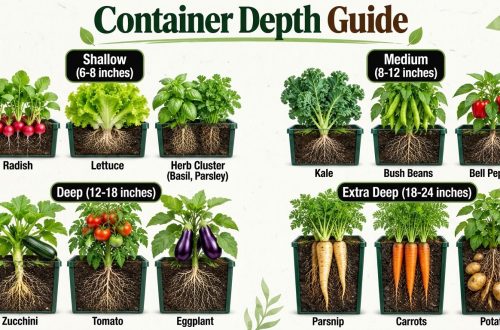
When selecting containers, ensure they have adequate drainage holes. Without them, roots can rot from standing water. Pot size is also vital; larger pots hold more soil, retain moisture better, and provide more room for root development, leading to healthier, more productive plants.
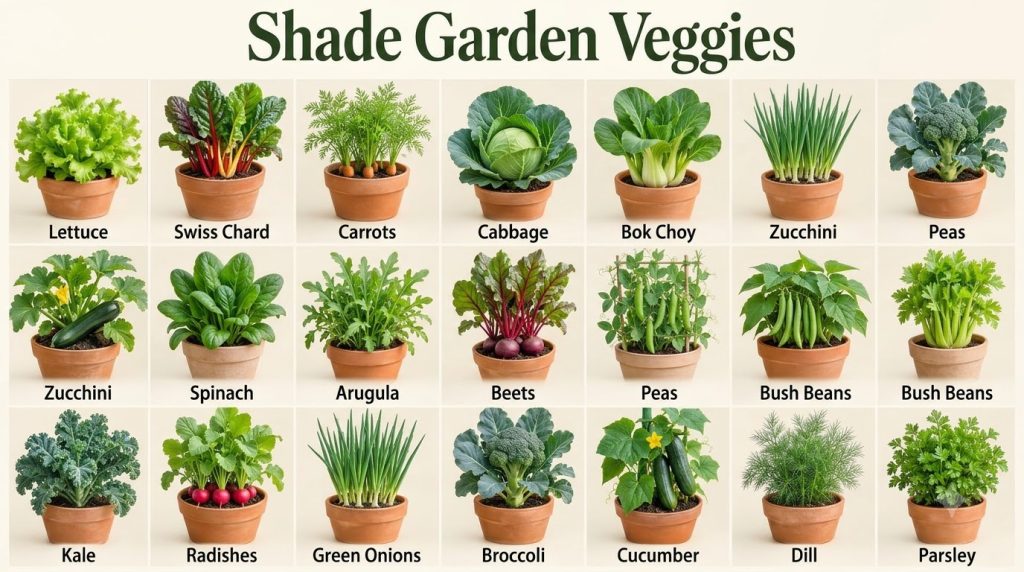
Your Shady Harvest: 20 Vegetables to Grow in Pots
Leafy Greens: The Shade-Loving Champions
Leafy greens are often the most forgiving in partial shade, as intense afternoon sun can cause them to bolt (go to seed) prematurely. Cooler conditions often lead to sweeter, more tender leaves.
- 1. Arugula (Eruca vesicaria sativa)
Plant type: Annual leafy green.
Exposure: Partial sun (4-6 hours) to partial shade.
Care tip: Harvest outer leaves regularly to encourage new growth and prevent bolting. Grows well in shallow, wide containers (6-8 inches deep). - 2. Kale (Brassica oleracea var. sabellica)
Hardiness: Zones 7-10 as a perennial; often grown as an annual.
Plant type: Biennial grown as an annual.
Exposure: Partial sun to partial shade.
Care tip: Kale benefits from consistent moisture in containers. Harvest leaves from the bottom up. Use pots at least 8-10 inches deep. - 3. Lettuce (Lactuca sativa)
Plant type: Annual leafy green.
Exposure: Partial shade, especially in warmer climates, to prevent bolting.
Care tip: Plant in succession every 2-3 weeks for a continuous harvest. Choose containers at least 6 inches deep and wide for loose leaf varieties. - 4. Spinach (Spinacia oleracea)
Plant type: Annual leafy green.
Exposure: Partial shade, particularly beneficial in spring and fall.
Care tip: Keep soil consistently moist. Harvest outer leaves or entire plants once they reach desired size. Shallow containers (6-8 inches deep) are suitable. - 5. Swiss Chard (Beta vulgaris subsp. vulgaris)
Hardiness: Zones 2-10 as a biennial; often grown as an annual.
Plant type: Biennial grown as an annual.
Exposure: Partial sun to partial shade.
Care tip: Enjoy the vibrant stems and nutrient-rich leaves. Requires consistent watering. A 10-12 inch deep container can support one large plant. - 6. Mustard Greens (Brassica juncea)
Plant type: Annual leafy green.
Exposure: Partial sun to partial shade.
Care tip: For a milder flavor, harvest young leaves. Bolting can occur quickly in hot conditions, so shade helps. Pots 6-8 inches deep are ideal. - 7. Collard Greens (Brassica oleracea var. viridis)
Hardiness: Zones 7-10 as a perennial; often grown as an annual.
Plant type: Biennial grown as an annual.
Exposure: Partial sun to partial shade.
Care tip: Collards can grow quite large; use a container at least 12 inches deep and wide per plant. Harvest lower leaves for extended production. - 8. Bok Choy (Brassica rapa subsp. chinensis)
Plant type: Annual leafy green.
Exposure: Partial shade for best growth, especially in warmer months.
Care tip: Fast-growing, ready for harvest in 45-60 days. Plant in containers at least 8 inches deep. Watch for slugs in shady, moist conditions.
Root Vegetables That Don’t Need Full Sun
While root vegetables typically prefer more sun, many can produce well in partial shade, especially if the soil is loose and well-draining.
- 9. Radishes (Raphanus sativus)
Plant type: Annual root vegetable.
Exposure: Partial sun to partial shade.
Care tip: Quick to mature (3-4 weeks). Keep soil consistently moist to prevent tough, woody roots. Sow directly into containers at least 6 inches deep. - 10. Carrots (Daucus carota subsp. sativus)
Plant type: Biennial grown as an annual root vegetable.
Exposure: Partial sun (at least 4 hours) to partial shade.
Care tip: Choose shorter varieties (e.g., ‘Danvers Half Long’, ‘Paris Market’) for containers. Ensure loose, stone-free potting mix and pots at least 12-15 inches deep. - 11. Beets (Beta vulgaris subsp. vulgaris)
Hardiness: Zones 2-10 as a biennial; often grown as an annual.
Plant type: Biennial grown as an annual root vegetable.
Exposure: Partial sun to partial shade.
Care tip: You can harvest both the roots and the nutritious greens! Keep soil consistently moist. Use containers at least 10-12 inches deep. - 12. Potatoes (Solanum tuberosum)
Hardiness: Zones 3-10; often grown as an annual.
Plant type: Perennial tuber; grown as an annual.
Exposure: Partial sun (4-6 hours) to partial shade.
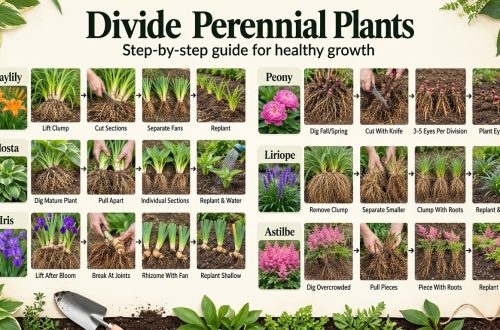
Care tip: Grow ‘new potatoes’ in containers for quicker harvest. Use large grow bags or barrels (15-20 gallons). As plants grow, ‘hill’ them by adding more soil to cover developing tubers.
Beans, Peas, and Brassicas for Shady Spots
These vegetables often prefer cooler conditions, making partial shade an advantage, especially in warmer climates. Look for bush varieties for easier container growing.
- 13. Bush Beans (Phaseolus vulgaris)
Plant type: Annual legume.
Exposure: Partial sun (at least 4-5 hours) to partial shade.
Care tip: Bush varieties are ideal for containers (at least 8-10 inches deep). Provide consistent moisture, especially during flowering and pod development. - 14. Peas (Pisum sativum)
Plant type: Annual legume.
Exposure: Partial sun to partial shade.
Care tip: Peas prefer cooler temperatures and can struggle in hot sun. Provide a small trellis or stakes for bush varieties, even in containers at least 8 inches deep. - 15. Broccoli (Brassica oleracea var. italica)
Hardiness: Zones 3-10 as a biennial; often grown as an annual.
Plant type: Biennial grown as an annual.
Exposure: Partial sun to partial shade.
Care tip: A heavy feeder; amend potting mix with compost. Harvest the main head when tight, then side shoots will often follow. Use large containers, 12-15 inches deep and wide. - 16. Cauliflower (Brassica oleracea var. botrytis)
Hardiness: Zones 3-10 as a biennial; often grown as an annual.
Plant type: Biennial grown as an annual.
Exposure: Partial sun (at least 4-5 hours) to partial shade.
Care tip: More sensitive than broccoli. Provide consistent moisture and try to ‘blanch’ the heads by tying outer leaves over them for whiter curds. Requires large containers, similar to broccoli. - 17. Cabbage (Brassica oleracea var. capitata)
Hardiness: Zones 3-10 as a biennial; often grown as an annual.
Plant type: Biennial grown as an annual.
Exposure: Partial sun (4-6 hours) to partial shade.
Care tip: Cabbage loves cool weather and consistent moisture. Choose smaller varieties for containers (12-15 inches deep). Protect from cabbage worms with row covers.
Alliums and Herbs for Fragrance and Flavor
These plants not only add flavor to your cooking but can also enhance the diversity of your container garden.
- 18. Scallions / Spring Onions (Allium fistulosum)
Hardiness: Zones 6-9 as a perennial; often grown as an annual.
Plant type: Perennial, grown as an annual.
Exposure: Partial sun to partial shade.
Care tip: Easy to grow from seed or by replanting the white bases from grocery store scallions. Harvest by snipping leaves. Shallow, wide containers (6-8 inches deep) are perfect. - 19. Leeks (Allium ampeloprasum var. porrum)
Hardiness: Zones 7-10 as a biennial; often grown as an annual.
Plant type: Biennial, grown as an annual.
Exposure: Partial sun (at least 4-5 hours) to partial shade.
Care tip: To achieve long, white blanched stalks, plant deeply or hill soil around the developing stems in tall containers (at least 12-15 inches deep). - 20. Herbs
Exposure: Many herbs thrive in partial shade, especially in hot climates.
Care tip: Consider planting a variety of shade-loving herbs together in a wide container for a culinary herb garden.- Mint (Mentha spp.): Extremely vigorous, excellent in shade, but best contained in its own pot to prevent spreading.
- Parsley (Petroselinum crispum): Prefers partial shade, especially in the afternoon. Needs consistent moisture.
- Cilantro (Coriandrum sativum): Prone to bolting in heat and direct sun; partial shade helps extend its harvest.
- Chives (Allium schoenoprasum): A hardy perennial that tolerates partial shade well.
- Basil (Ocimum basilicum): While usually a sun-lover, it can perform well with 4-5 hours of morning sun and afternoon shade, particularly in hot climates, to prevent scorching.
Essential Container Gardening Practices for Shady Spots
Successful container gardening in partial shade involves a few key considerations:
- Choose the Right Potting Mix: A high-quality, lightweight potting mix designed for containers is essential. It provides good drainage while retaining enough moisture and nutrients. Avoid using heavy garden soil, which compacts and can lead to waterlogging.
- Watering Wisely: Containers dry out faster than garden beds, but in partial shade, they may not dry out as quickly as in full sun. Check soil moisture daily by sticking your finger about an inch into the soil. Water thoroughly until it drains from the bottom. Overwatering is a common mistake that can lead to root rot.
- Fertilization: Container plants rely solely on you for nutrients. Use a balanced liquid fertilizer every 2-4 weeks during the growing season, or incorporate a slow-release granular fertilizer into the potting mix at planting time.
- Pest and Disease Management: Shady, moist conditions can sometimes encourage slugs, snails, and certain fungal diseases. Good air circulation between plants is key. Inspect your plants regularly for any signs of trouble and address them promptly with organic solutions like hand-picking pests or using neem oil.
- Rotate and Replant: For a continuous harvest, practice succession planting. As one plant finishes producing, pull it out and replace it with a new one. This also helps replenish soil nutrients if you refresh the potting mix.
Extending Your Harvest Across Climates
The beauty of container gardening is its adaptability. In cooler zones (USDA Zones 3-5), partial shade might mean a slightly slower start but protection from intense summer heat. For many of these leafy greens and brassicas, this can extend your harvest into late fall.
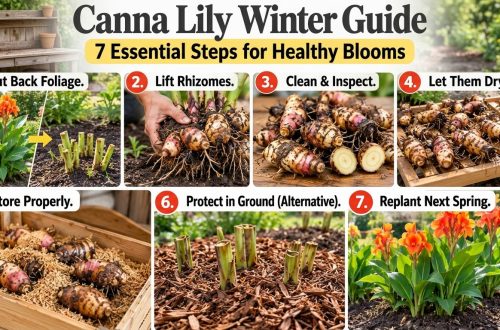
In warmer regions (USDA Zones 9-11), partial shade is often a blessing, preventing delicate plants from scorching and bolting prematurely. Focus on morning sun and afternoon shade. Some plants, like many leafy greens, might even be grown through mild winters. Always check your local frost dates and consider season extension techniques like cloches or row covers for early spring or late fall planting.
Start Your Shade Garden Today!
Embracing the potential of partial shade opens up a world of possibilities for your container garden. With the right plant choices, thoughtful care, and a little observation, you can enjoy an abundant harvest of fresh, delicious vegetables, even if your garden isn’t bathed in full sun. So grab some pots, quality potting mix, and your chosen seeds or starts, and begin cultivating your very own shade oasis. Happy growing!