Welcome, fellow garden enthusiasts! Are your plants looking a bit unruly? Do you wish for more bountiful harvests or simply healthier, happier greenery? The secret might just lie in a technique that’s as old as gardening itself: pruning! Often overlooked or feared by new gardeners, pruning is a game-changer that can transform your garden from struggling to stunning. Let’s dig into why and how this essential practice can unlock the true potential of your plants.
Pruning isn’t just about hacking away at branches; it’s a thoughtful process of removing specific parts of a plant to improve its health, shape, and productivity. Think of it as giving your plant a haircut that makes it feel better, look better, and grow better!
Why Prune Your Garden Plants?
The benefits of regular and proper pruning are numerous and can drastically improve your gardening success:
- Boosts Plant Health: Removing dead, diseased, or damaged branches prevents the spread of pathogens and pests, allowing the plant to direct its energy towards healthy growth.
- Increases Air Circulation: Thinning out dense foliage improves airflow, which is crucial for preventing fungal diseases like powdery mildew.
- Promotes More Fruit & Flowers: By removing unproductive growth, the plant can focus its energy on producing more fruits, vegetables, or blossoms.
- Enhances Plant Shape & Size: Pruning helps maintain a desired shape and prevents plants from becoming leggy or overgrown, making them fit better in your garden space.
- Rejuvenates Old Plants: Strategic pruning can breathe new life into older, less productive plants, encouraging fresh growth.
Essential Pruning Tools
Before you start, make sure you have the right tools. Clean, sharp tools make clean cuts, which heal faster and reduce the risk of disease:
- Hand Pruners/Shears: Ideal for small branches and stems up to 3/4 inch thick. Look for bypass pruners for clean cuts.
- Loppers: For thicker branches, typically up to 1 1/2 inches in diameter. Their long handles provide leverage.
- Pruning Saw: For branches larger than 1 1/2 inches.
Always sterilize your tools with rubbing alcohol or a bleach solution between plants (especially if you’re pruning a diseased plant) to prevent the spread of diseases.
General Pruning Principles to Live By
While specific techniques vary by plant, these universal rules will guide you:
- Remove the 3 D’s: Always start by cutting off anything that is Dead, Diseased, or Damaged.
- Cut at an Angle: Make cuts at a 45-degree angle, just above a bud or branch union. This helps water run off and prevents disease.
- “Open Up” the Plant: Remove inward-growing branches or those that rub against each other to improve air circulation and light penetration.
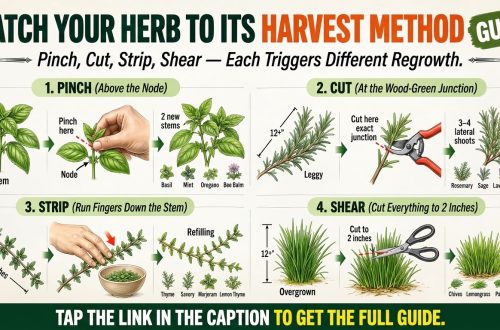
- Pinch Back: For many annuals and herbs, simply pinching off the growing tips can encourage bushier growth.
- Don’t Over-Prune: A good rule of thumb is to remove no more than one-third of the plant’s total growth in a single pruning session.
Pruning Specific Garden Favorites
Tomatoes
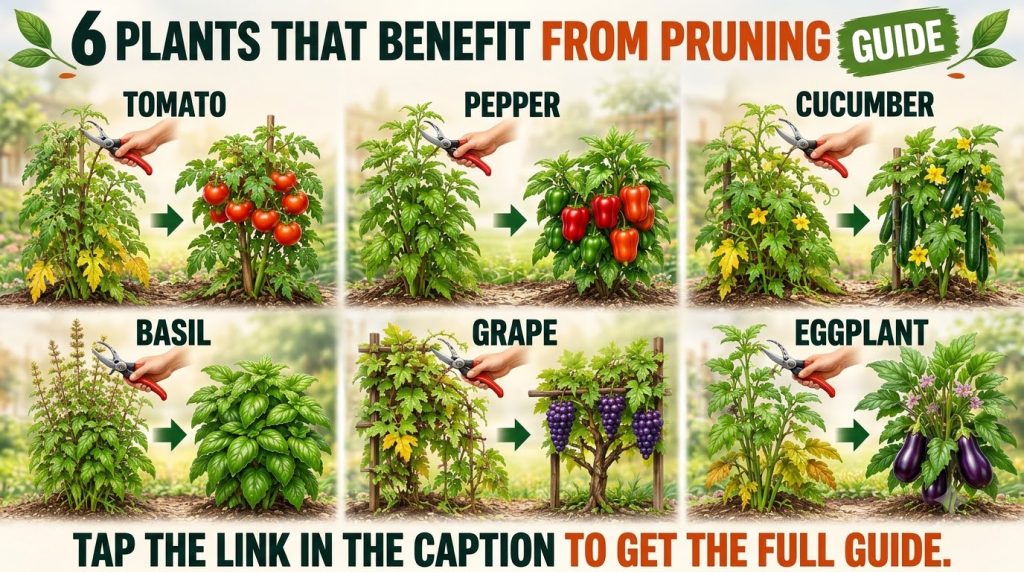
For indeterminate (vining) tomatoes, remove “suckers” – the small shoots that grow in the ‘V’ between the main stem and a leaf branch. This redirects energy to fruit production. Also, remove lower yellowing leaves to improve air circulation and prevent soil-borne diseases.
Peppers
Pinch off the main growing tip when the plant is young and about 6-8 inches tall. This encourages branching, leading to a bushier plant with more flowers and, eventually, more peppers.
Cucumbers
Train vining cucumbers up a trellis or cage. Remove any yellowing or diseased leaves. For optimal fruit production, some gardeners trim back unproductive side shoots or any male flowers once female flowers appear, although this is less critical for most home gardeners.
Basil
Regular pinching is key for a lush basil plant! Continuously pinch off the top two sets of leaves on each stem, just above a leaf node. If flowers start to form, pinch them off immediately to prevent the plant from going to seed, which stops leaf production.
Grapes
Grape pruning is crucial and can be quite extensive, typically done in the dormant season. The goal is to establish a strong framework and leave only the canes that will produce fruit. During the growing season, summer pruning (thinning leaves, removing tendrils) helps improve air circulation and fruit ripening.
Eggplants
When eggplants are young, pinch out the growing tip to encourage branching. As the plant matures, remove lower leaves that touch the soil to prevent disease. You can also thin out some of the smaller, weaker fruits to allow the plant to put more energy into larger, healthier ones.
When to Prune
The best time to prune depends on the plant:
- Dormant Season (Late Winter/Early Spring): Ideal for most trees, shrubs, and fruit-bearing plants (like grapes) before new growth begins.
- Active Growing Season (Spring/Summer): Best for pinching back herbs, vegetables, and deadheading flowers to encourage more blooms.
- Anytime: Always remove dead, diseased, or damaged branches as soon as you spot them.
Pruning is an art and a science, but with a little practice, you’ll gain confidence and see remarkable improvements in your garden. Don’t be afraid to make those cuts – your plants will thank you with vibrant health and abundant yields! Happy gardening!