Most gardeners see it as a persistent “weed” that pops up where it’s least wanted. But what if this common garden guest, with its vibrant yellow plumes, holds a secret far more valuable than its “weed” status suggests? Before you reach for the weed killer or pull it from your beds, take a closer look at Goldenrod (Solidago spp.).
Many people ignore this abundant plant, mistaking it for a nuisance or, worse, for ragweed, a common allergen. Yet, for centuries, herbalists have prized goldenrod for its remarkable properties, often calling it “nature’s gold” for its bright color and versatile uses. It’s a powerhouse of traditional wellness, and preparing simple remedies from it is surprisingly straightforward.
What is Goldenrod?
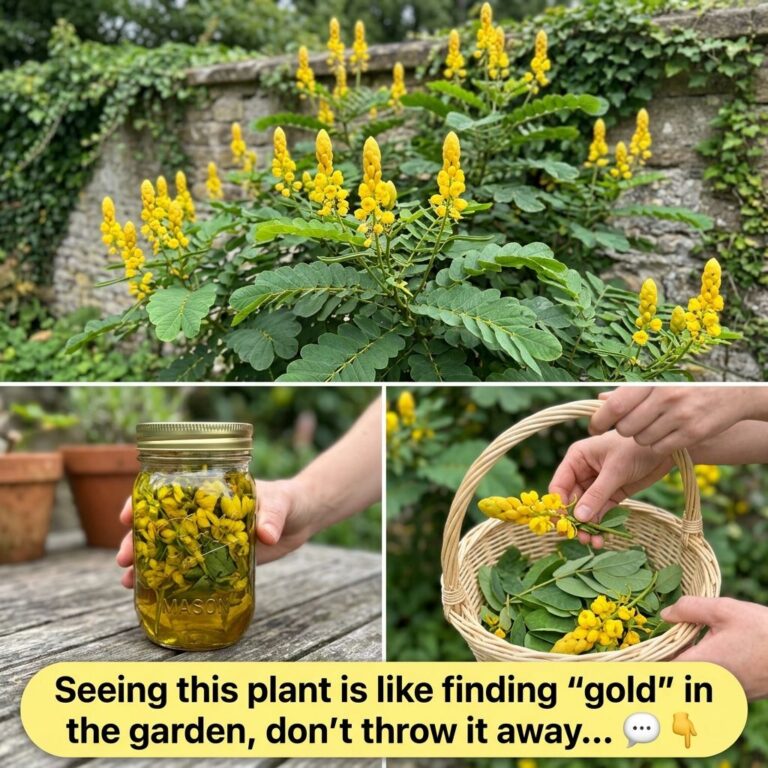
Goldenrod refers to a genus of plants, Solidago, encompassing over 100 species, most native to North America. Recognized by its distinctive bright yellow, often plume-like flowers that bloom in late summer and fall, it’s a familiar sight in meadows, fields, and, yes, even our gardens. Despite its commonality, its potential as a natural remedy is frequently overlooked. It is celebrated in herbal traditions for supporting seasonal comfort, promoting healthy urinary function, and soothing irritated skin.
Ingredients for Your Goldenrod Remedies
Harnessing the power of goldenrod starts with simple, accessible ingredients:
- Fresh or Dried Goldenrod: You’ll primarily use the flowers and leaves.
- Water: For infusions (teas).
- Carrier Oil: Such as olive oil, almond oil, or jojoba oil for topical infusions.
Quick Tip: Best Harvesting Time
For optimal potency, harvest goldenrod when the flowers are about halfway open, typically in late summer to early fall. Choose plants that are healthy and free from pesticides.
Approximate Measurements
For Goldenrod Tea (Infusion):
- 1-2 teaspoons dried goldenrod (leaves and flowers) OR 1 tablespoon fresh goldenrod
- 8 ounces (1 cup) hot water
For Goldenrod Infused Oil:
- 1 cup loosely packed dried goldenrod flowers and leaves
- 1-1.5 cups carrier oil (enough to cover the plant material)
Formula / Recipes
1. Goldenrod Warming Tea
A simple, comforting infusion perfect for internal support.
2. Goldenrod Soothing Oil
A topical oil ideal for skin comfort and massage.

Step-by-Step Method
Goldenrod Warming Tea:
- Prepare Goldenrod: If using fresh goldenrod, gently rinse it and pat dry. Chop roughly. If using dried, no preparation needed.
- Add to Cup: Place the goldenrod material into a mug or teapot.
- Pour Hot Water: Bring water to a boil, then pour it over the goldenrod.
- Steep: Cover the cup to retain aromatic compounds and steep for 5-10 minutes. For a stronger tea, steep longer.
- Strain & Enjoy: Strain out the plant material and discard. Your goldenrod tea is ready to drink.
Goldenrod Soothing Oil (Solar Infusion Method):
- Dry Goldenrod Thoroughly: This is crucial. Fresh plant material contains water, which can lead to mold in your oil. Spread goldenrod flowers and leaves in a single layer on a clean screen or paper towel in a well-ventilated area away from direct sunlight. Allow to dry completely for several days until brittle.
- Pack Jar: Loosely pack your dried goldenrod into a clean, dry glass jar (e.g., a Mason jar). Do not pack it too tightly.
- Cover with Oil: Pour your chosen carrier oil over the goldenrod, ensuring all plant material is fully submerged. Use a chopstick or spoon to release any air bubbles.
- Infuse: Cap the jar tightly. Place it in a sunny windowsill or warm spot for 2-4 weeks. Gently shake the jar every day or two to encourage infusion and prevent plant material from settling.
- Strain: After infusion, strain the oil through a fine-mesh sieve lined with cheesecloth. Squeeze the plant material to extract all the oil.
- Store: Transfer the infused oil to a clean, dark glass bottle.
How to Use
- Goldenrod Warming Tea: Drink warm as needed. It’s traditionally used for seasonal discomforts, to support kidney and urinary tract health, and as a general tonic.
- Goldenrod Soothing Oil: Apply topically to the skin. It can be massaged into sore muscles, joints, or areas of skin irritation. Always do a patch test first.
How Often to Use
- Goldenrod Warming Tea: 1-3 cups per day, as needed.
- Goldenrod Soothing Oil: Apply 1-2 times daily, or as required for comfort.
How to Buy / How to Choose Ingredients
While goldenrod is abundant in the wild, it’s essential to harvest responsibly or source from reputable suppliers:
- Wild Harvesting: Identify goldenrod accurately. Ensure the area has not been sprayed with pesticides or herbicides. Harvest away from roadsides. Take only what you need, leaving plenty for wildlife and future growth.
- Dried Goldenrod: Look for organic, responsibly harvested dried goldenrod from reputable herbal suppliers. Ensure it’s vibrantly colored and has a pleasant, slightly aromatic scent.
- Carrier Oils: Choose high-quality, cold-pressed, organic carrier oils.
Storage
- Dried Goldenrod: Store dried goldenrod flowers and leaves in an airtight container in a cool, dark, dry place for up to 1 year.
- Goldenrod Warming Tea: Best consumed fresh. Leftovers can be refrigerated for up to 24 hours.
- Goldenrod Soothing Oil: Store in a dark glass bottle in a cool, dark place. It should last for the shelf life of your chosen carrier oil, typically 6 months to 1 year. Adding a few drops of Vitamin E oil can help extend its shelf life.
Practical Tips
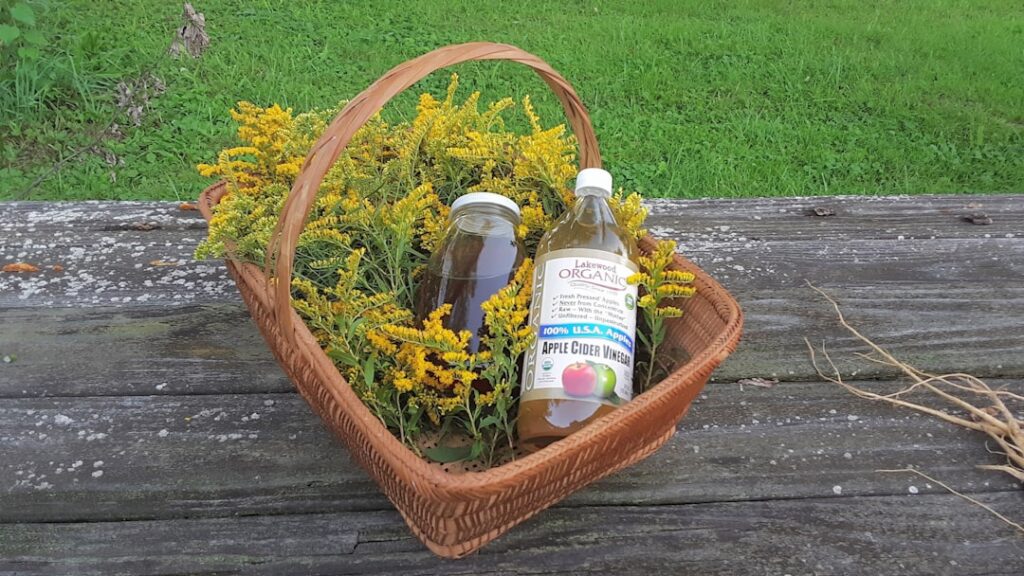
- Identify Correctly: Be absolutely sure you have identified goldenrod correctly. It can be confused with other plants, so a field guide is helpful.
- Drying: Ensure goldenrod is completely dry before infusing in oil to prevent mold.
- Oil Infusion Method: If solar infusion isn’t practical, you can use a gentle heat method (like a double boiler) to infuse the oil in a few hours, but keep the heat very low to preserve beneficial compounds.
Common Mistakes
One small preparation mistake can ruin the whole batch or negate its benefits.
- Misidentification: Confusing goldenrod with ragweed (Ambrosia spp.) is a common error. Ragweed flowers are greenish and less showy, and its pollen is a major allergen, unlike goldenrod’s heavy, insect-carried pollen.
- Using Sprayed Plants: Harvesting from areas treated with pesticides or herbicides will contaminate your remedy.
- Not Drying Properly (for oil): Infusing fresh, water-containing plant material into oil can introduce mold and spoil your oil.
- Boiling Tea Too Long: While a longer steep is fine for tea, aggressive boiling can destroy delicate compounds. An infusion (steeping in hot water) is preferred over a decoction (simmering).
- Over-Harvesting: Always harvest sustainably, taking only a small portion from a large patch.
Did You Know?
Despite its showy flowers blooming at the same time as ragweed, goldenrod is rarely the cause of seasonal allergies. Its pollen is heavy and sticky, designed to be carried by insects, not wind, making it less likely to be inhaled.
Cautions / Who Should Avoid It
While generally considered safe for most people, certain individuals should exercise caution:
- Allergies: People with known allergies to plants in the Asteraceae/Compositae family (like ragweed, daisies, marigolds, chrysanthemums) might experience an allergic reaction to goldenrod. Always perform a patch test when using topically.
- Kidney Conditions: Goldenrod has diuretic properties. If you have a serious kidney condition or are taking diuretic medications, consult a healthcare professional before use.
- Pregnancy and Breastfeeding: There is insufficient evidence regarding its safety during pregnancy and breastfeeding. It’s best to avoid use during these times.
- Children: Consult a pediatrician before giving goldenrod remedies to children.
Comparison: Fresh vs. Dried Goldenrod
Choosing between fresh and dried goldenrod depends on your intended use and availability:
| Feature | Fresh Goldenrod | Dried Goldenrod |
|---|---|---|
| Availability | Seasonal (late summer-fall) | Year-round |
| Potency | High, vibrant compounds | Retains good potency if dried properly |
| Best for Tea | Excellent, refreshing flavor | Excellent, concentrated flavor |
| Best for Oil | Requires thorough drying first (crucial) | Ideal, easier to work with, less risk of mold |
| Storage | Use immediately or dry | Airtight, cool, dark for 1 year+ |
| Preparation Ratio | Use more (e.g., 1 tbsp per cup tea) | Use less (e.g., 1-2 tsp per cup tea) |
Quick Summary
Goldenrod is an undervalued plant with versatile uses. It’s best prepared as an infusion (tea) for internal support, particularly for seasonal comfort and urinary health, or as an infused oil for topical skin soothing. Ensure proper identification and thorough drying for oil preparations. Store dried material in airtight containers and oils in dark bottles. Always be mindful of allergies and existing health conditions.
You may also like: The Complete Guide to Drying Your Own Herbs
FAQ
- Can I use fresh goldenrod for tea?
Yes, fresh goldenrod makes an excellent, mild-tasting tea. Just use a slightly larger quantity than you would for dried. - How long does goldenrod tea last?
It’s best consumed immediately. You can refrigerate leftovers for up to 24 hours. - What part of the goldenrod plant is best to use?
Both the leaves and flowers are typically used for medicinal preparations. - Can I reuse the goldenrod material for another batch of tea?
No, the beneficial compounds will have been largely extracted in the first infusion. - How do I ensure I’m not allergic to goldenrod?
If you have known allergies to related plants, consult a doctor. For topical remedies, always perform a small patch test on your skin first. - When should I avoid harvesting goldenrod?
Avoid harvesting from roadsides or areas known to be sprayed with chemicals. Also, avoid plants that look unhealthy or are past their prime flowering stage. - Can I make a goldenrod tincture?
Yes, goldenrod can be tinctured in alcohol for a more potent, longer-lasting preparation. This typically involves steeping fresh or dried goldenrod in high-proof alcohol for several weeks.
Read more: Understanding Herbal Infusions vs. Decoctions
Conclusion
Goldenrod, often dismissed as a common garden “weed,” is truly a golden gem in the world of natural remedies. Its vibrant presence in late summer and fall offers a wealth of opportunities for simple, effective home preparations. By understanding how to identify, harvest, and prepare this remarkable plant, you can unlock its potential for comforting teas and soothing oils. So next time you spot those bright yellow plumes, remember the “gold” you’ve found and consider integrating this overlooked ally into your natural wellness routine.
Continue with: Top 5 Natural Remedies for Seasonal Comfort