For many, a warm bowl of oatmeal is the quintessential healthy breakfast, a comforting start to the day packed with fiber and essential nutrients. But have you ever paused to consider how your choice of liquid — water or milk — might impact its overall effect? The question ‘SAME OATS. DIFFERENT RESULTS?’ often comes to mind, especially when aiming for sustained energy and satiety.
We’ve all wondered: does simply changing the liquid in our oatmeal make a significant difference in how long we feel full? This isn’t just about taste; it’s about optimizing your breakfast to fuel your body effectively and keep hunger pangs at bay until your next meal. Let’s dive into the nutritional nuances and discover which preparation truly offers a longer-lasting feeling of fullness.
Understanding the distinction between preparing your oats with water versus milk can empower you to make more informed choices for your daily diet, whether your goal is weight management, sustained energy, or simply a more satisfying breakfast experience.
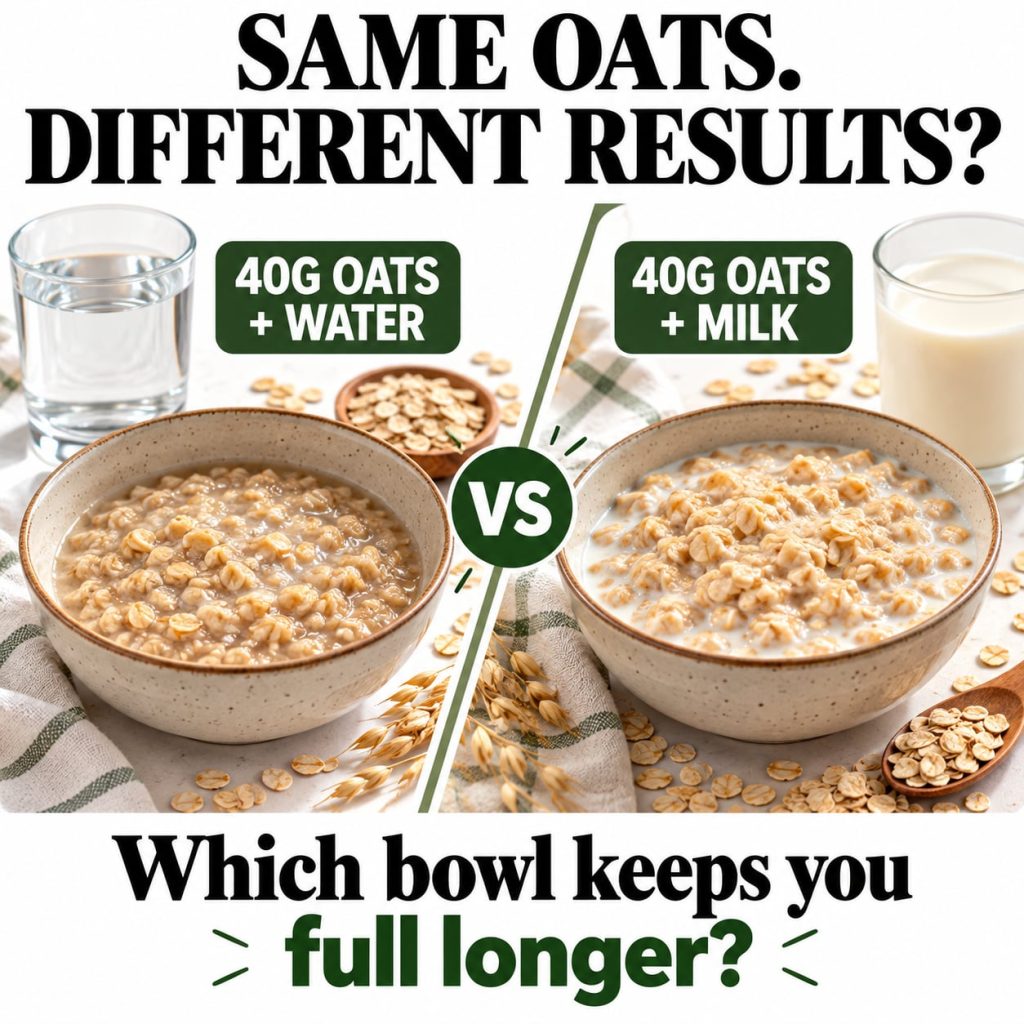 Unpacking the nutritional differences between a simple bowl of oats with water versus milk.
The Core Question: Oats with Water vs. Milk for Satiety
The central question of our breakfast dilemma is simple yet profound: ‘Which bowl keeps you full longer?’ The answer often lies in the additional components that milk introduces compared to water. While 40 grams of oats provide a consistent base of complex carbohydrates and dietary fiber, the liquid you choose significantly alters the breakfast’s nutritional profile and, consequently, its ability to keep you satisfied.
Understanding the Nutritional Difference
Let’s break down what each liquid brings to your bowl of oats.
40g Oats + Water: The Leaner Option
When you prepare 40 grams of rolled oats with water, you’re primarily consuming the oats themselves. Oats are rich in soluble fiber, particularly beta-glucan, which is known for its ability to absorb water, form a gel-like substance, and contribute to a feeling of fullness. This preparation is naturally lower in calories, making it an excellent choice for those focused on strict calorie management.
- Benefits: Lower calorie count, excellent source of fiber, hydrating.
- Drawbacks: May offer less sustained fullness compared to milk due to the absence of additional protein and fat.
40g Oats + Milk: Enhanced Satiety & Nutrients
Adding milk to your 40 grams of oats introduces several key macronutrients that water does not provide. A typical serving of milk (e.g., 1/2 to 1 cup) contributes:
- Protein: Essential for satiety, muscle repair, and growth. Protein digests slower than carbohydrates, contributing to a longer-lasting feeling of fullness.
- Fats: Another macronutrient crucial for satiety. Dietary fats help slow digestion and add a creamy texture that can be very satisfying.
- Additional Calories: Milk naturally adds calories, which contribute to the overall energy content of your breakfast.
- Vitamins & Minerals: Milk is a good source of calcium, vitamin D, and other micronutrients, enhancing the overall nutritional value of your meal.
- Benefits: Significantly boosts satiety due to added protein and fat, provides essential vitamins and minerals, offers a richer taste and creamier texture.
- Drawbacks: Higher in calories compared to water-prepared oats, which might not align with very strict calorie deficits.
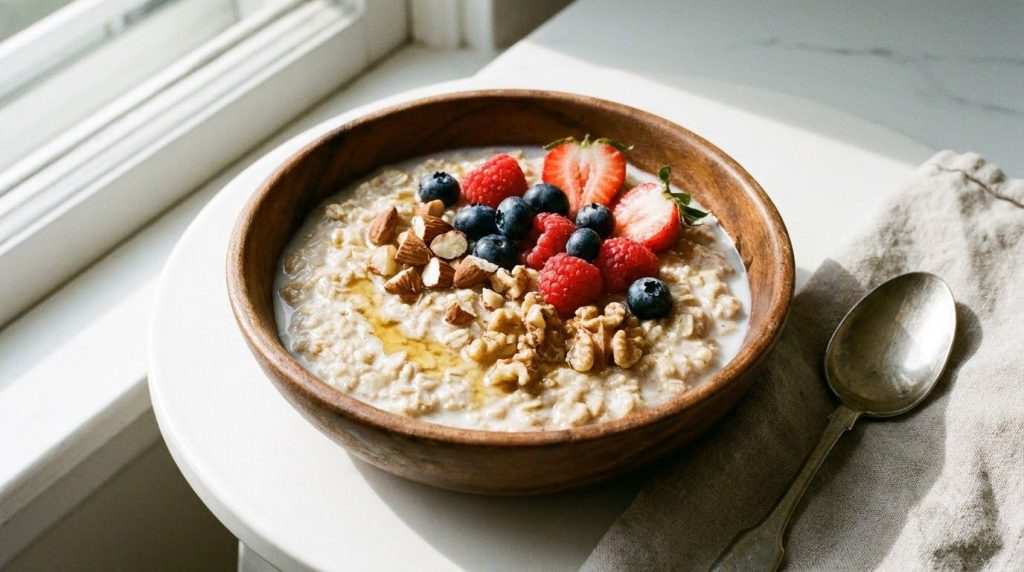 Milk adds protein, fat, and a delightful creaminess that can significantly boost your breakfast’s staying power.
The Verdict: Which Keeps You Full Longer?
Given the nutritional breakdown, the answer to ‘Which bowl keeps you full longer?’ is generally the one prepared with milk. The addition of protein and fat from milk significantly enhances the satiety factor of your oatmeal. These macronutrients slow down digestion, leading to a more gradual release of energy and a prolonged feeling of fullness compared to oats prepared with water alone.
However, it’s important to remember that individual responses can vary. Factors like your metabolism, activity level, and the overall composition of your meal (what you add to your oats) also play a role.
Beyond Fullness: Other Considerations for Your Bowl of Oats
While satiety is a key benefit, there are other important factors to consider when choosing your oatmeal base.
Taste and Texture
Milk creates a creamier, richer texture and a milder flavor, which many find more appealing. Water-based oats tend to have a lighter, less indulgent mouthfeel, allowing the natural flavor of the oats and any added toppings to shine more prominently.
Calorie and Macro Goals
- For weight loss or lower calorie intake: Oats with water might be preferred if you’re meticulously tracking calories, as it offers a lower baseline. You can then strategically add nutrient-dense, low-calorie toppings.
- For muscle gain or higher calorie needs: Oats with milk, especially whole milk or fortified plant-based milks, provide additional calories, protein, and fat to support energy and muscle synthesis.
Lactose Intolerance or Dairy-Free Options
If you’re lactose intolerant or prefer a dairy-free diet, a variety of plant-based milks can offer similar benefits to cow’s milk. Almond milk, soy milk, oat milk, or cashew milk can add protein, healthy fats, and a creamy texture, often with fewer calories or different nutrient profiles depending on the brand. Soy milk, in particular, offers a protein content similar to cow’s milk.
Enhancing Either Bowl for Maximum Satiety
Regardless of whether you choose water or milk, you can always boost the satiety and nutritional value of your oatmeal with smart additions:
- Add Protein: A scoop of your favorite protein powder, a handful of nuts (like almonds or walnuts), a tablespoon of nut butter, or a sprinkle of hemp or chia seeds (which are also great sources of fiber and omega-3s).
- Boost Fiber: Fresh fruits (berries, banana slices), dried fruits (in moderation), or an extra tablespoon of chia seeds.
- Healthy Fats: A drizzle of flaxseed oil, a spoonful of avocado, or the healthy fats from nuts and seeds.
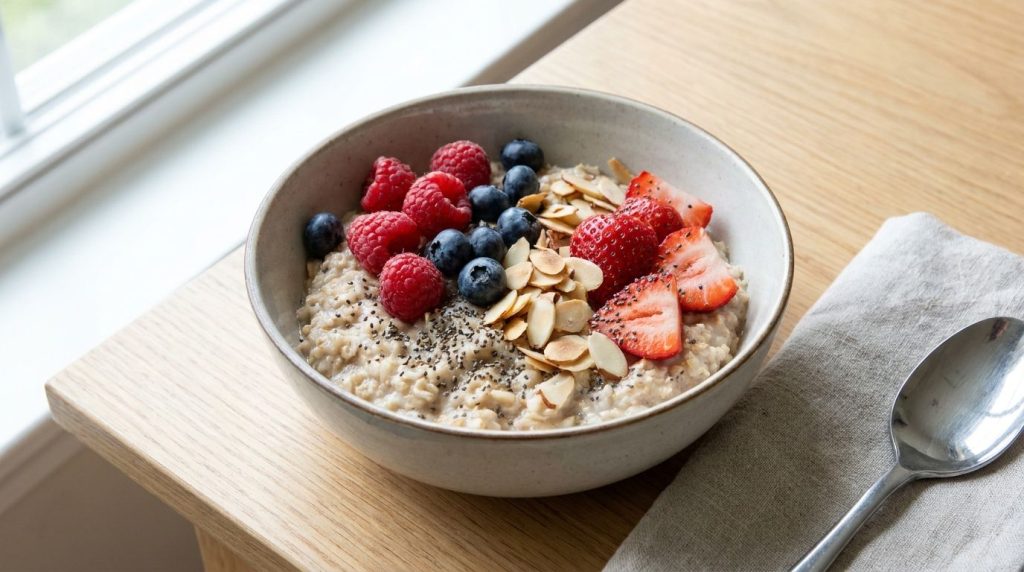 Even water-based oats can be a powerhouse of nutrients and satiety with the right toppings.
Practical Tips for a Satisfying Oatmeal Breakfast
- Always Add Protein: For maximum fullness, aim for at least 10-15 grams of protein in your oatmeal. This could be from milk, protein powder, or a combination of nuts and seeds.
- Don’t Skimp on Fiber: The 40g of oats provides a good base, but adding fruits or extra chia seeds can further enhance digestive health and satiety.
- Consider Healthy Fats: A small amount of healthy fats helps slow digestion and adds to the creamy texture.
- Mindful Eating: Pay attention to your body’s hunger and fullness cues. Eating slowly can also contribute to feeling more satisfied.
- Meal Prep for Convenience: Prepare overnight oats in quality meal prep containers using either milk or water and your chosen toppings for a quick, healthy breakfast on busy mornings.
FAQs about Oatmeal Preparation
Is oatmeal with water good for weight loss?
Yes, oatmeal prepared with water can be excellent for weight loss due to its lower calorie count and high fiber content. The fiber helps keep you full, which can reduce overall calorie intake throughout the day. However, ensure you add protein and healthy fats to prevent hunger later.
What type of milk is best for oatmeal?
The ‘best’ milk depends on your dietary needs and preferences. Whole milk offers the most calories, protein, and fat for maximum satiety. Skim or low-fat milk provides protein with fewer calories. Plant-based milks like soy milk or pea milk offer good protein content for dairy-free options, while almond or oat milk contribute to creaminess with varying calorie counts.
Can I add protein powder to oatmeal?
Absolutely! Adding a scoop of protein powder is one of the most effective ways to boost the protein content and satiety of your oatmeal, whether you use water or milk. Mix it in after cooking to prevent clumping, or stir it into overnight oats.
Final Thoughts
The choice between preparing your oatmeal with water or milk ultimately comes down to your personal goals, dietary needs, and taste preferences. While milk-prepared oats tend to offer greater satiety due to their higher protein and fat content, water-based oats remain a fantastic, lower-calorie option.
The key to a truly satisfying and sustained breakfast, regardless of your liquid choice, lies in balancing your macronutrients. By thoughtfully adding protein, healthy fats, and extra fiber, you can transform any bowl of 40g oats into a powerful, hunger-fighting meal that keeps you energized and focused throughout your morning.