Unlock Your Perfect Ratio for Healthy Meals!
Ever wondered about the ideal balance for your healthy meals? Achieving a ‘perfect ratio’ of nutrients can make nutritious eating simple, straightforward, and incredibly satisfying. It’s about combining the right ingredients to fuel your body effectively, keep you feeling full, and support your overall well-being. This concept isn’t about strict rules, but rather understanding how different food groups work together to create a harmonious and healthy plate.
When we talk about a ‘perfect ratio,’ we’re generally referring to a balanced distribution of macronutrients – carbohydrates, proteins, and healthy fats – along with essential micronutrients like vitamins and minerals. Getting this balance right can help stabilize blood sugar, provide sustained energy, and even assist with weight management. It transforms eating from a chore into an empowering act of self-care.
Understanding the Core Components of a Balanced Plate
A well-balanced meal typically includes:
- Complex Carbohydrates: These provide sustained energy and fiber. Think whole grains like oats, quinoa, brown rice, and whole-wheat bread, as well as fruits and vegetables.
- Lean Proteins: Essential for muscle repair, growth, and satiety. Sources include chicken, fish, beans, lentils, tofu, eggs, and Greek yogurt.
- Healthy Fats: Crucial for hormone production, nutrient absorption, and brain health. Avocados, nuts, seeds (like chia seeds!), and olive oil are great choices.
- Fruits & Vegetables: Packed with vitamins, minerals, antioxidants, and fiber, they are vital for overall health. Aim for a variety of colors to get a broad spectrum of nutrients.
By consciously including these components in each meal, you create a synergy that supports your body’s functions and keeps you feeling your best.
The Power of Meal Prep for Consistency
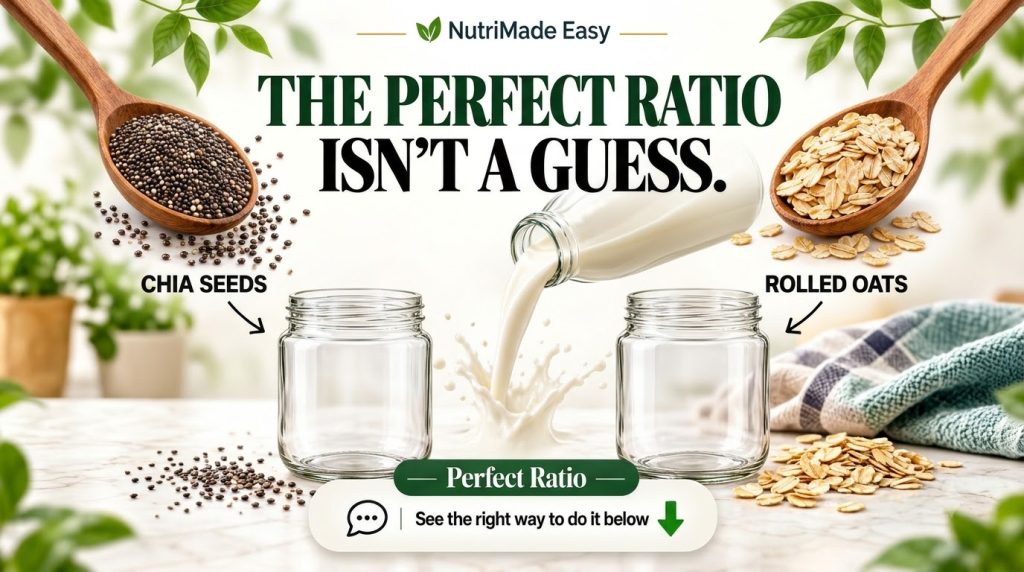
One of the best ways to consistently hit your ‘perfect ratio’ is through meal preparation. Just like the visual cues of the jars, planning and prepping your meals in advance removes the guesswork and makes healthy choices easier during busy weekdays. When nutritious options are readily available, you’re less likely to reach for less healthy, processed alternatives.
Meal prepping can involve:
- Batch cooking grains or proteins for the week.
- Chopping vegetables in advance.
- Portioning out snacks.
- Assembling ingredients for quick, grab-and-go meals like overnight oats.
It’s a small investment of time that yields significant health dividends.
Crafting Your Perfect Ratio Overnight Oats
Let’s take inspiration from our visual and explore a classic example of a ‘perfect ratio’ meal: overnight oats. This breakfast is simple, customizable, and perfectly balances macronutrients.
Ingredients for a Balanced Jar:
- Rolled Oats (Complex Carb & Fiber): About 1/2 cup provides energy and digestive support.
- Chia Seeds (Healthy Fats, Protein & Fiber): 1-2 tablespoons add omega-3s, protein, and thicken the mixture.
- Milk (Protein & Calcium): 3/4 to 1 cup of dairy or plant-based milk ensures creaminess and a protein boost.
- Protein Powder (Optional Protein Boost): A scoop can significantly increase the protein content, aiding satiety and muscle health.
- Fruit (Vitamins, Fiber & Natural Sweetness): A handful of berries or sliced banana adds essential nutrients and flavor.
- Nuts/Seeds (Healthy Fats & Crunch): A sprinkle of almonds or pumpkin seeds provides healthy fats and texture.
The Method:
- Combine oats, chia seeds, and milk in a jar.
- Stir well to ensure everything is moistened.
- Add any protein powder, spices (like cinnamon), or natural sweeteners (like a touch of maple syrup).
- Close the jar and refrigerate overnight (or for at least 4 hours).
- In the morning, stir, add your chosen fruits and nuts/seeds, and enjoy your perfectly balanced breakfast!
This simple approach demonstrates how easy it is to combine core components for a complete, nutritious meal.
Beyond Breakfast: Balancing Other Meals
The ‘perfect ratio’ concept extends to lunch and dinner too. Aim for:
- Lunch: A large salad with leafy greens, colorful vegetables, grilled chicken or chickpeas, and a drizzle of olive oil-based dressing.
- Dinner: Baked salmon or lentil stew with a side of steamed broccoli and a small portion of quinoa or sweet potato.
Each meal should make you feel satisfied and energized, not overly full or still hungry shortly after eating. Listening to your body’s signals is a crucial part of finding what works best for you.
Finding Your Personal Perfect Ratio
Remember, the ‘perfect ratio’ can be slightly different for everyone, depending on activity level, age, and individual health goals. Experiment with different combinations and portions to see what makes you feel your best. The key is consistency and making conscious, healthy choices most of the time. By focusing on whole, unprocessed foods and understanding their nutritional contributions, you’re well on your way to unlocking your own ideal balance for vibrant health.