Your liver is an incredible organ, working tirelessly behind the scenes to filter toxins, metabolize nutrients, and produce essential proteins. It’s a true multitasker, vital for your overall health and well-being. But with all it does, our liver sometimes needs a little extra support to function optimally.
That’s where the vibrant world of green foods comes in! These nutritional powerhouses are packed with compounds that can help cleanse, nourish, and protect your liver, making them essential additions to a healthy diet. In this guide, we’ll dive into the amazing benefits of green foods for your liver and show you how to easily incorporate more of them into your daily meals.
Get ready to discover how simple dietary changes can make a big difference in supporting this crucial organ!
Why Your Liver Needs Green Support
The liver performs over 500 vital functions, including detoxifying harmful substances, storing vitamins and minerals, producing bile for fat digestion, and regulating blood sugar. When your liver is healthy, your entire body benefits. However, lifestyle factors like poor diet, alcohol consumption, and exposure to environmental toxins can put a strain on this hard-working organ.
Green foods offer a unique blend of nutrients that specifically target liver health:
- Antioxidants: Many green vegetables are rich in antioxidants like Vitamin C, Vitamin E, and beta-carotene, which help protect liver cells from damage caused by free radicals.
- Chlorophyll: This green pigment found in plants may help neutralize toxins and heavy metals in the body, supporting the liver’s detoxification processes.
- Fiber: Green foods are often high in fiber, which aids digestion and helps eliminate waste products from the body, reducing the burden on the liver.
- Glucosinolates: Found abundantly in cruciferous vegetables, these compounds support the liver’s detoxification enzymes, helping it process and excrete toxins more efficiently.
- Vitamins & Minerals: Essential nutrients like folate, magnesium, and potassium, commonly found in greens, play crucial roles in various liver functions.
Key Green Foods for Liver Health
Let’s explore some of the best green foods you can add to your diet to give your liver a helping hand.
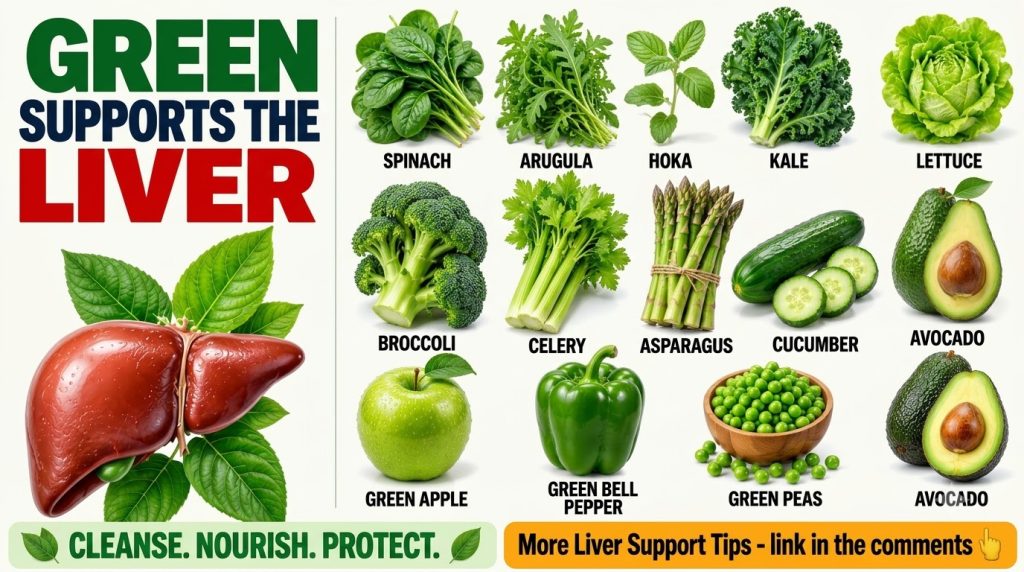
Leafy Greens (Spinach, Kale, Arugula, Lettuce)
These dark, leafy wonders are often considered superfoods for a good reason. They are packed with chlorophyll, which helps cleanse the blood and may protect the liver from environmental toxins. They also provide a rich source of vitamins, minerals, and antioxidants like glutathione, a powerful antioxidant produced naturally in the body that plays a key role in liver detoxification.
Cruciferous Vegetables (Broccoli, Brussels Sprouts)
Broccoli and Brussels sprouts are stars when it comes to liver support. They contain glucosinolates, which convert into compounds like sulforaphane and indole-3-carbinol (I3C) in the body. These compounds are known to boost the liver’s natural detoxification enzymes, helping it eliminate carcinogens and other harmful substances more effectively.
Other Green Vegetables (Celery, Asparagus, Cucumber, Green Bell Pepper, Green Peas)
- Celery: High in water content and antioxidants, celery is a natural diuretic, which can help flush toxins from the body and support kidney function, indirectly aiding the liver.
- Asparagus: This spring vegetable contains compounds that may help protect the liver and promote healthy liver function. It’s also a good source of folate.
- Cucumber: Extremely hydrating, cucumbers help cleanse the body and support detoxification processes. They are low in calories and provide beneficial vitamins and minerals.
- Green Bell Pepper: Rich in Vitamin C, green bell peppers are powerful antioxidants that protect liver cells from oxidative stress.
- Green Peas: A good source of plant-based protein and fiber, green peas contribute to overall digestive health, which is crucial for a healthy liver.
Green Fruits (Green Apple, Avocado)
- Green Apple: Apples contain malic acid, which may help with detoxification processes. They are also a good source of fiber, aiding digestion.
- Avocado: While high in healthy fats, avocados are beneficial for the liver. They contain glutathione, an antioxidant important for liver detoxification, and healthy monounsaturated fats that may help reduce liver damage.
Practical Tips to Boost Your Liver with Green Foods
Incorporating more green foods into your diet doesn’t have to be complicated. Here are some simple and tasty ways to do it:
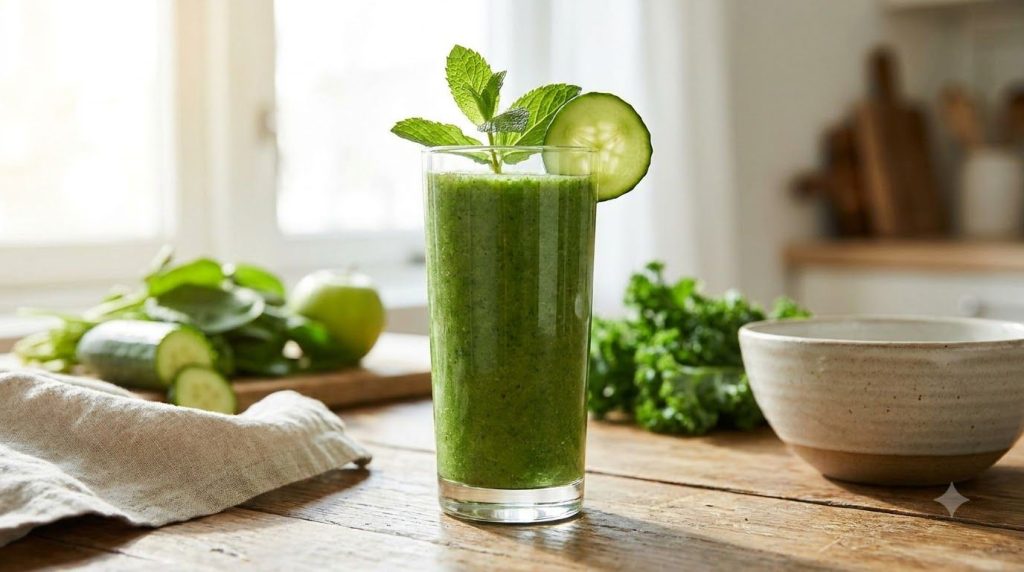
- Start Your Day Green: Add a handful of spinach or kale to your morning smoothie. You won’t even taste it!
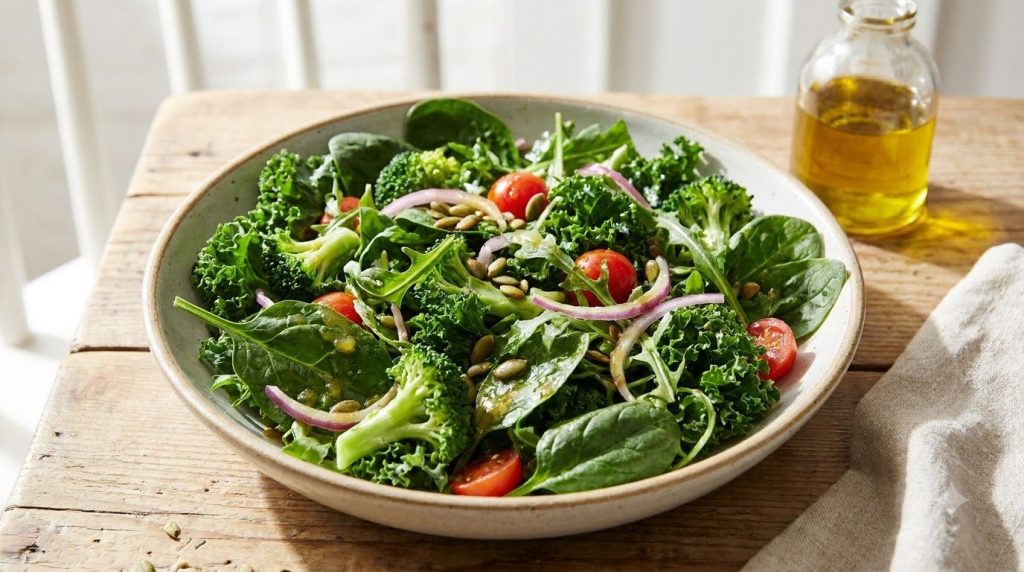
- Salad Power: Make salads your main dish. Mix various leafy greens and top with broccoli, cucumber, bell pepper, and avocado.
- Sneak Them In: Finely chop spinach or broccoli and add it to soups, stews, casseroles, or pasta sauces.
- Green Snacks: Enjoy celery sticks with hummus, cucumber slices, or green apple wedges.
- Stir-Fry & Roasts: Use broccoli, asparagus, and green bell peppers in stir-fries or roast them as a side dish.
- Juice It Up: If you enjoy juicing, create refreshing green juices with cucumber, celery, kale, and a touch of green apple for sweetness.
Common Mistakes to Avoid
While green foods are fantastic, it’s important to approach liver health holistically:
- Relying on Supplements Alone: While some supplements can be helpful, whole foods offer a synergistic blend of nutrients that often work better together. Focus on a diet rich in greens first.
- Ignoring Other Factors: Green foods can’t undo the damage of excessive alcohol, processed foods, or a sedentary lifestyle. A balanced approach is key.
- Overcooking Vegetables: Too much heat can diminish the nutrient content of some greens. Aim for lightly steamed, stir-fried, or raw preparations to preserve their benefits.
FAQs About Green Foods and Liver Health
Q: How exactly do green foods help detoxify the liver?
A: Many green foods contain chlorophyll, which helps neutralize toxins. Cruciferous vegetables like broccoli contain compounds that boost the liver’s detoxification enzymes, helping it process and eliminate harmful substances more efficiently.
Q: Can green foods reverse liver damage?
A: While green foods are highly beneficial for supporting liver health and preventing damage, they cannot “reverse” existing significant liver damage. Consult a healthcare professional for specific medical advice regarding liver conditions.
Q: How much green food should I eat daily for liver health?
A: Aim for at least 2-3 cups of various green vegetables and fruits daily. Consistency is more important than a single large serving.
Q: Are organic green foods better for the liver?
A: Organic green foods may have lower pesticide residues, which can be beneficial as the liver processes toxins. If possible, choose organic, especially for items on the “Dirty Dozen” list.
Q: Can I get all the benefits from green smoothies?
A: Green smoothies are an excellent way to boost your intake of greens! They offer many nutrients, but eating whole, fibrous greens is also important for complete benefits and satiety.
Q: Are there any green foods I should avoid for liver health?
A: Generally, most green foods are beneficial. However, if you have specific health conditions or are on certain medications (e.g., blood thinners), consult your doctor about high-oxalate greens or those rich in Vitamin K.
Conclusion
Your liver is a vital organ that deserves all the support you can give it. By consciously incorporating more vibrant green foods into your daily diet, you’re providing it with powerful antioxidants, detoxification enhancers, and essential nutrients. From leafy greens to cruciferous vegetables and hydrating fruits, these green allies are easy to add to meals and snacks, helping your liver cleanse, nourish, and protect itself.
Embrace the power of green goodness and feel the difference it can make in your overall well-being. Start small, be consistent, and watch your liver thrive!
This content is for educational purposes only and should not be considered medical advice. Consult a qualified healthcare professional for personalized dietary recommendations.