Are you seeing more silver strands than you’d like? Grey hair is a natural part of aging, but that doesn’t mean you have to accept it without a fight! Many women desire to restore their hair’s youthful vibrancy and natural dark shade without resorting to harsh chemical dyes. If you’re looking for an effective, natural, and accessible DIY solution to transform white hair to black, you’ve come to the right place. This comprehensive guide will walk you through the process of using nature’s bounty to achieve stunning, darker locks.
Understanding Why Hair Greys
Before we dive into solutions, let’s briefly understand why hair turns grey. Hair color is determined by melanin, a pigment produced by cells called melanocytes located in your hair follicles. As we age, these melanocytes produce less melanin, eventually leading to a loss of pigment, which results in grey, silver, or white hair. Genetics, stress, nutritional deficiencies, and certain medical conditions can also influence the premature greying of hair.
The Power of Natural Hair Darkening Solutions
While chemical dyes offer immediate results, they can often be harsh on your hair and scalp, leading to dryness, damage, and allergic reactions. Natural alternatives harness the power of plants, herbs, and everyday kitchen ingredients to gently color your hair, often improving its health and shine in the process. The key is consistency and patience, as natural solutions typically build color over time rather than delivering an instant, drastic change.
Your DIY Solution for Darker, Youthful Hair
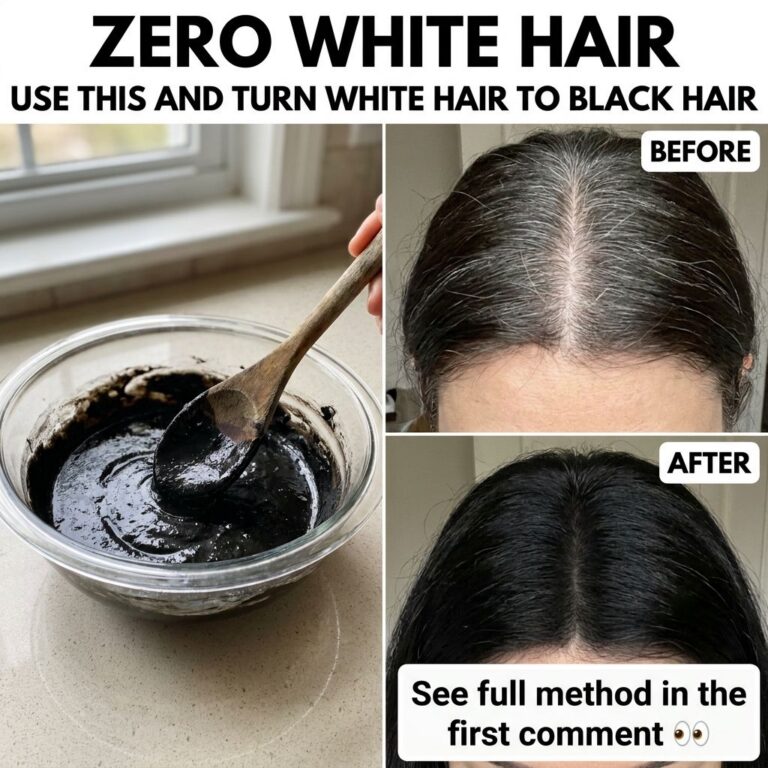
This method focuses on creating a potent, natural paste designed to coat and gradually color grey strands. While specific recipes vary, the principle remains the same: use ingredients known for their darkening properties. Common natural darkening agents include strong infusions of black tea or coffee, specific herbs like sage, rosemary, or amla powder, often combined with a base like henna or indigo powder for more profound and lasting color.
What You’ll Need (General Ingredients Example):
- Natural Darkening Agents:
- Strongly brewed black coffee or black tea (for a darker brown/black hue)
- Amla powder (Indian gooseberry – for conditioning and promoting darker tones)
- Indigo powder (often used with henna for black color)
- Henna powder (for reddish-brown base, if aiming for black)
- Other Components:
- Water or floral hydrosol (rose water, chamomile water)
- Mixing bowl (non-metallic) and spoon
- Gloves
- Applicator brush (optional)
- Shower cap or plastic wrap
- Old towel
Preparation Instructions:
- Brew Your Base: If using coffee or tea, brew it very strong and allow it to cool completely. This liquid will be the base for your paste.
- Mix the Powders: In your non-metallic bowl, combine your chosen darkening powders (e.g., amla, indigo, henna) in appropriate ratios (always follow product-specific instructions for henna/indigo for best results).
- Form the Paste: Gradually add the cooled coffee/tea or water to the powder mixture, stirring continuously with your spoon until you achieve a smooth, thick, yogurt-like consistency. It should be thick enough to cling to your hair but spreadable.
- Allow to Mellow (Optional but Recommended for some ingredients like henna): Some natural dyes benefit from a ‘dye release’ period. For instance, henna usually needs 2-12 hours of sitting to release its dye. Indigo, however, is added just before application. Research your specific ingredients!
Application Guide:
- Protect Yourself: Wear old clothes and gloves to avoid staining your skin and clothes. Drape an old towel around your shoulders.
- Prepare Hair: Ensure your hair is clean and dry. Some prefer damp hair for easier application.
- Section Hair: Divide your hair into small, manageable sections using clips.
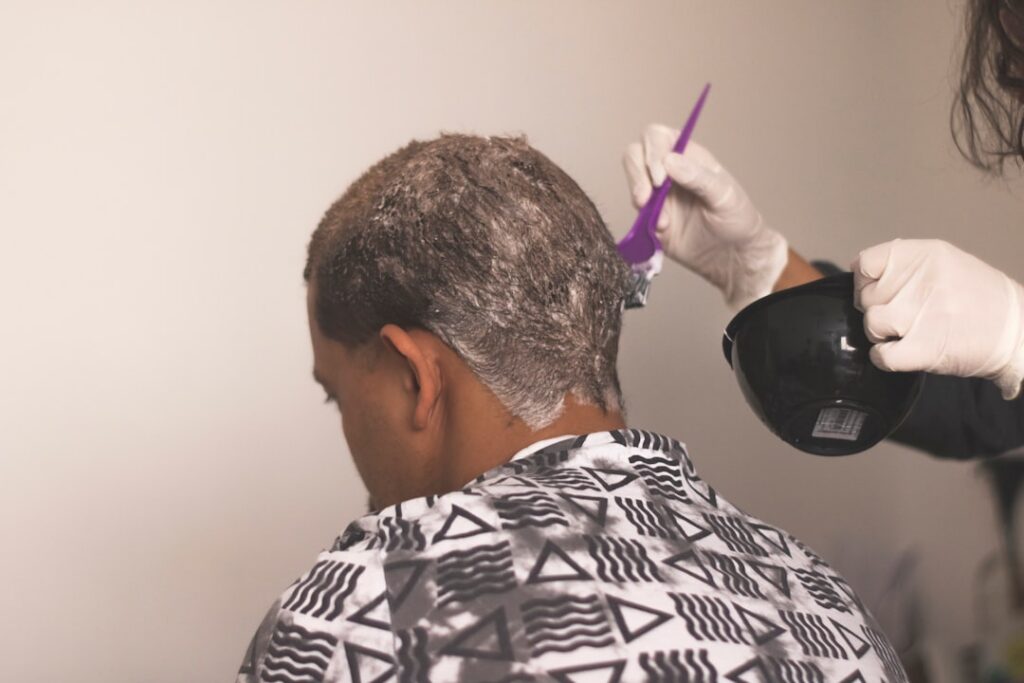
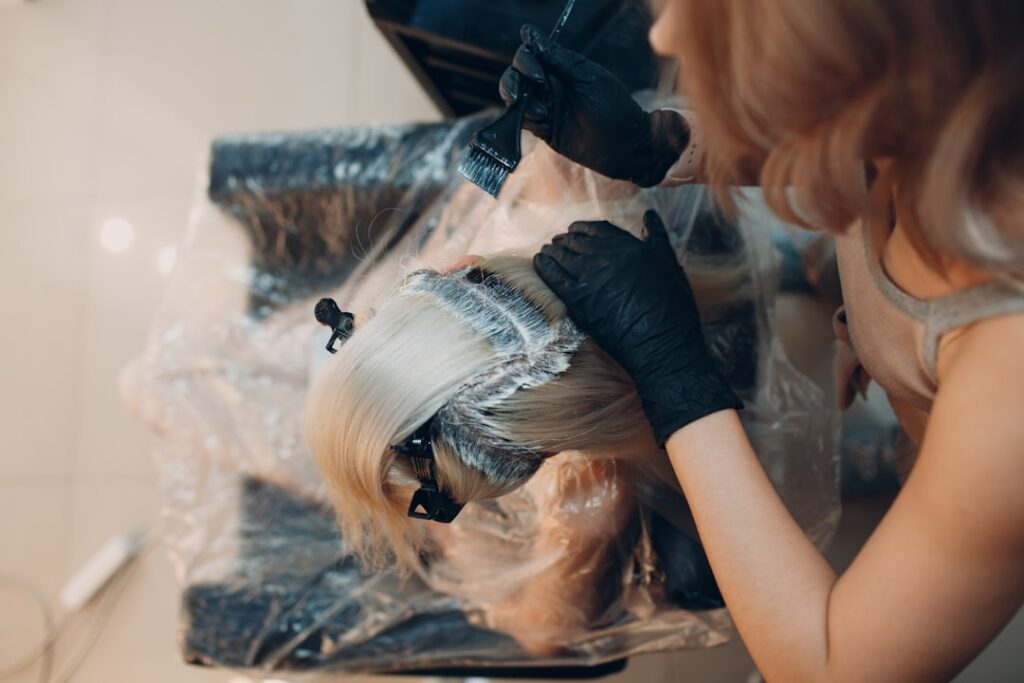
- Apply the Paste: Starting from the roots, generously apply the paste to your grey strands. Work your way through each section, ensuring thorough coverage, especially on the areas with the most grey hair. You can use an applicator brush or your gloved hands.
- Cover Your Hair: Once all desired areas are covered, wrap your head with a shower cap or plastic wrap. This helps to keep the paste moist and allows the color to penetrate effectively.
- Processing Time: Leave the paste on for at least 1-3 hours. For deeper, more significant color transformation, you might extend this to 4-6 hours, or even longer depending on the ingredients and desired intensity.
- Rinse Thoroughly: Rinse your hair under running water until the water runs clear. Avoid using shampoo immediately; plain water is often sufficient. You can condition your hair if needed.
Tips for Best Results and Longevity
- Patch Test: Always perform a patch test on a small, inconspicuous area of your skin 48 hours before full application to check for any allergic reactions.
- Strand Test: Before applying to all your hair, test the paste on a small section of your grey hair (e.g., from your brush) to predict the final color.
- Consistency is Key: Natural dyes build up color over several applications. Don’t expect dramatic results after just one use, especially if your grey hair is prominent.
- Maintain with Care: Use sulfate-free shampoos and conditioners to prolong your natural hair color. Regular oiling and deep conditioning treatments can also help maintain hair health and shine.
- Re-apply as Needed: Re-apply the paste every 2-4 weeks, or as new root growth appears, to maintain your desired color.
Embrace Your Natural Beauty Journey
Transforming your grey hair to black naturally is a rewarding journey that offers not just color, but also potential benefits for your hair’s overall health. By choosing DIY natural solutions, you’re opting for a gentle, nourishing approach that aligns with a holistic beauty philosophy. Say goodbye to harsh chemicals and hello to vibrant, naturally darker locks that radiate health and youthfulness.
What’s your biggest hair goal for a healthier, more beautiful you? Share your thoughts and experiences with natural hair solutions in the comments below!