Most people toss the blueberry punnet after enjoying the fruit, never realizing they’re discarding the secret to a thriving berry patch right in their own backyard. What if those delicious berries from the grocery store held the key to an endless supply, fresh from your garden? You might think growing blueberries is complicated, requiring special plants or expert nursery stock. But the truth is, with a little patience and the right steps, you can transform supermarket blueberries into your very own fruitful bushes. It’s a simple, incredibly rewarding journey that brings fresh, antioxidant-rich berries closer to your table than ever before.
What It Is
This guide isn’t about buying starts; it’s about embracing the full cycle of nature by growing blueberry bushes from the tiny seeds found within the fruit you already purchase. While it requires more time than planting a young bush, the satisfaction of nurturing a plant from its beginnings to a mature, fruit-bearing specimen is unparalleled. It’s an accessible way to expand your home garden, even if you’re new to propagation, turning everyday produce into a long-term harvest.
Ingredients & Approximate Measurements
To embark on your blueberry growing adventure, gather these simple items:
- Ripe Blueberries: 5-10 fresh, ripe blueberries from the supermarket. Choose organic if possible for better seed viability.
- Small Pots or Seed Trays: Peat pots or plastic containers (3-4 inches) with drainage holes.
- Seed Starting Mix: Enough to fill your chosen pots.
- Peat Moss: Essential for acidic soil; aim for at least 50% peat moss in your transplant mix.
- Perlite or Coarse Sand: About 20-30% of your transplant mix for drainage.
- Plastic Wrap or Dome: To create a mini-greenhouse.
- Spray Bottle: For gentle watering.
- Labels and Marker: To track progress.
- A Sunny Location: A south-facing window or grow lights.
Formula / Recipe: The Seed-to-Bush Blueprint
The process involves extracting the tiny seeds, giving them a cold “winter” nap, and then planting them in a nurturing environment. Here’s your step-by-step blueprint:
Step-by-Step Method
-
Extract the Seeds: Gently mash your ripe blueberries in a small bowl with a fork. Add a little water and stir. The viable seeds are small, light brown, and sink to the bottom. Carefully pour off the pulp and floating debris, then collect and rinse the sunken seeds thoroughly.
-
Cold Stratification: Blueberries need a cold period to simulate winter. Place the cleaned seeds on a damp paper towel, fold it over, and seal it in a plastic bag or airtight container. Refrigerate for at least 90-120 days (3-4 months). This step is crucial for good germination.
-
Prepare Planting Pots: After stratification, mix your seed starting mix with a small amount of peat moss. Fill your small pots or trays with this mixture.
-
Planting the Seeds: Sprinkle a few seeds onto the soil surface in each pot. Lightly cover them with a very thin layer (about 1/8 inch) of the seed starting mix.
-
Water Gently: Use your spray bottle to thoroughly moisten the soil. Avoid heavy watering that can dislodge the tiny seeds.
-
Create a Mini Greenhouse: Cover the pots with plastic wrap or a clear dome to maintain humidity.
-
Provide Warmth and Light: Place your pots in a warm spot (around 60-70°F or 15-21°C) with bright, indirect light. A south-facing window is ideal, or use a grow light for 12-14 hours a day.

How to Use & How Often to Use
Once sprouts appear, usually within 4-6 weeks after stratification, remove the plastic cover. Keep the soil consistently moist but never waterlogged. As seedlings grow a few true leaves, thin them to the strongest one or two per pot.
- Watering: Check soil moisture daily. Water when the top inch of soil feels dry. Remember, blueberries prefer moist, not wet, conditions.
- Feeding: Young seedlings don’t need much feeding. Once they have several true leaves, begin with a very diluted acidic fertilizer (for acid-loving plants) at half strength, once every 2-4 weeks.
Here’s the part most people skip:
Maintaining consistent moisture during germination is critical. Too dry, and seeds won’t sprout; too wet, and they rot. Invest in a good spray bottle for even, gentle watering.
Quick Tip: Soil pH is Everything!
Blueberries are famously picky about soil acidity. They thrive in a pH range of 4.5 to 5.5. Regular tap water can be alkaline, slowly raising your soil pH. Consider collecting rainwater or using distilled water for irrigation. You can also test your soil regularly with an inexpensive home pH testing kit.
How to Buy / How to Choose Ingredients
When selecting your initial blueberries, opt for organic varieties if possible to minimize pesticide exposure. Choose plump, dark, and ripe berries for the best chance of healthy seeds. For soil amendments, look for high-quality sphagnum peat moss and horticultural perlite at your local garden center.
Storage
Blueberry seeds, once stratified, are best planted soon after. If brief storage is needed post-stratification, keep them in the refrigerator, still damp, for a few weeks. Young blueberry plants should be kept indoors in a bright, cool spot if you are in a cold climate, until all danger of frost has passed.
Practical Tips
- Patience is Key: Growing blueberries from seed is a long game. It can take 2-3 years before your bushes produce their first fruit, and 5-6 years for a significant harvest.
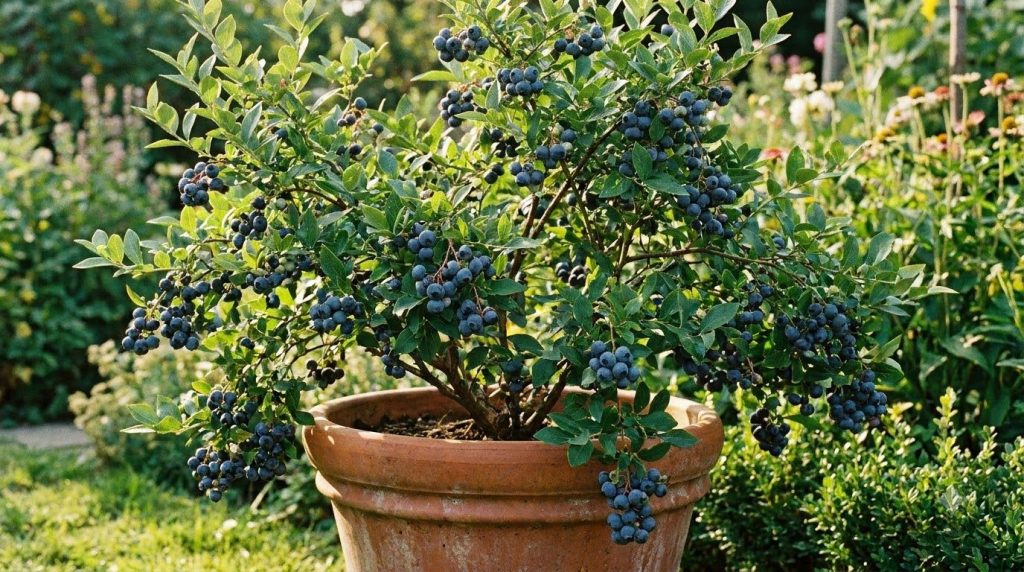
- Container Growing: Blueberries are excellent candidates for container gardening, especially if your native soil isn’t acidic. Use large pots (at least 15-20 gallons for mature bushes) filled with an acidic potting mix.
- Pruning: Once established, prune your bushes annually to encourage new growth and better fruit production.
Quick Reference: Seed vs. Established Plant
| Feature | Growing from Seed | Buying an Established Plant |
|---|---|---|
| Time to Fruit | 2-3 years (first fruit) | 1-2 years (first fruit) |
| Cost | Very low (cost of fruit + soil) | Moderate to high |
| Effort | High (stratification, seedling care) | Low (plant, water, feed) |
| Satisfaction | Immense, full growth cycle | Immediate results |
| Variety | Unknown specific cultivar | Known cultivar & characteristics |
Common Mistakes
- Skipping Stratification: This is the most common reason for germination failure. The cold period is essential.
- Wrong Soil pH: Planting in alkaline or neutral soil leads to stunted growth and yellowing leaves.
- Overwatering: While blueberries like moisture, soggy roots are detrimental. Ensure excellent drainage.
- Lack of Sunlight: Blueberries need at least 6-8 hours of full sun daily for optimal growth and fruit production.
- Impatience: Don’t expect fruit overnight. This is a commitment that pays off over time.
- Using Unripe Fruit: Seeds from unripe berries are unlikely to be viable.
Cautions / Who Should Avoid It
Growing blueberries from seed is a long-term project. If you’re looking for immediate fruit, purchasing established plants is a better option. This method is also challenging in areas with extremely hot, dry climates or very alkaline soil, unless you’re committed to extensive soil amendment and watering. Always ensure children and pets do not consume any part of the plant without knowing it’s safe, though blueberry fruit is, of course, safe and beneficial.
Quick Summary
To successfully grow blueberries from supermarket fruit:
- Best Preparation: Extract seeds from ripe, organic blueberries.
- Essential Step: Cold stratify seeds in the refrigerator for 90-120 days.
- Best Use-Case: Grow your own sustainable supply of fresh, healthy blueberries.
- Key Condition: Plant in acidic soil (pH 4.5-5.5) with excellent drainage.
- Storage: Plant seeds soon after stratification; keep young plants protected in cold weather.
- What to Avoid: Skipping stratification, alkaline soil, overwatering, impatience.
FAQ
- Can I use fresh or dried blueberries for seeds? Always use fresh, ripe blueberries. Dried berries typically have non-viable seeds.
- How long does it take for blueberry seeds to germinate? After cold stratification, germination usually takes 4-6 weeks.
- How often should I water my young blueberry plants? Keep the soil consistently moist but not soggy. Check daily and water when the top inch of soil feels dry.
- What kind of light do blueberry seedlings need? Bright, indirect light for seedlings, transitioning to 6-8 hours of full sun for mature plants.
- Can I use regular potting soil? No, regular potting soil is often too alkaline. You need a mix specifically for acid-loving plants, heavily amended with peat moss.
- How long until my bushes produce fruit? Expect your first small harvest in 2-3 years, with significant production after 5-6 years.
- What’s the ideal soil pH for blueberries? A pH between 4.5 and 5.5 is crucial for blueberry health.
- Can I freeze blueberry seeds for later? While some seeds can be frozen, cold stratification in the refrigerator is the recommended method for blueberries.
Conclusion
Turning supermarket blueberries into thriving bushes in your garden is more than just a gardening project; it’s a commitment to sustainability, health, and the sheer joy of homegrown produce. While it demands patience and attention to detail, particularly regarding soil acidity and cold stratification, the reward of picking your own sweet, nutrient-dense blueberries far outweighs the effort. Start your blueberry journey today and transform your grocery haul into a lifelong garden bounty.
You may also like: The Ultimate DIY Seed Starting Guide
Read more: Mastering Garden Soil pH for Thriving Plants
Continue with: Why Every Garden Needs a Compost Pile