Discover how Amla, often called Indian Gooseberry, can be a wonderful addition to your natural hair care routine, especially if you’re looking to support darker-looking, shinier hair. This traditional ingredient is a beloved secret for many wanting to enhance their hair’s natural vitality.
Quick Recipe
Prep time: 10 minutes (plus infusion time)
Best for: Supporting darker-looking hair, scalp health, shine
Use type: Hair oil
Main ingredients:
- Amla powder or dried Amla pieces
- Carrier oil (e.g., coconut oil, sesame oil)
- Optional essential oil
Ingredients
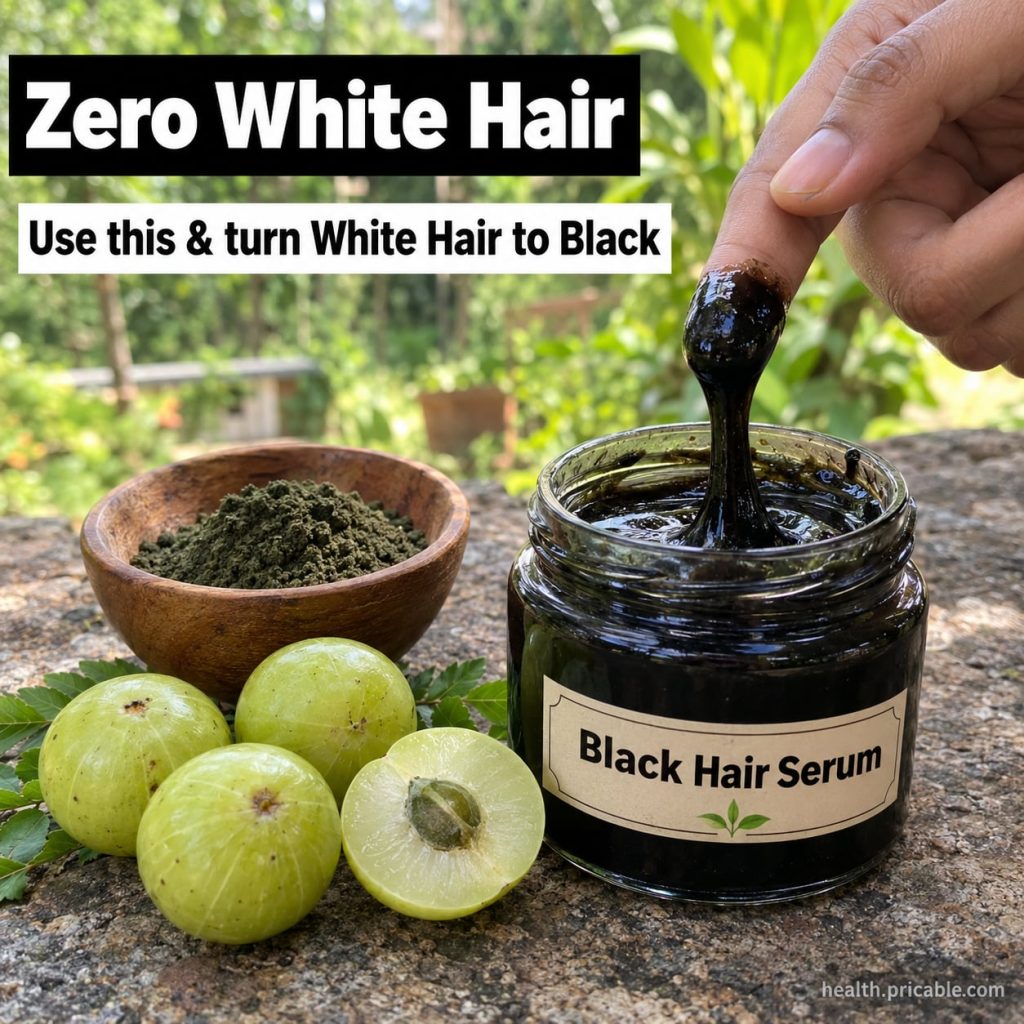
- 2 tablespoons Amla powder (or 1/4 cup dried Amla pieces)
- 1 cup carrier oil (such as organic coconut oil, sesame oil, or almond oil)
- 5-7 drops rosemary essential oil (optional, for added scalp benefits and fragrance)
How to Make It
There are a couple of ways to prepare your Amla hair oil, depending on whether you’re using powder or dried pieces.
Method 1: Using Amla Powder (Quick Infusion)
- In a small, heat-safe pan, combine the Amla powder and your chosen carrier oil.
- Heat the mixture on very low heat for about 5-10 minutes, stirring occasionally. Do not let it boil or smoke. The goal is to gently warm the oil and infuse the Amla.
- Remove from heat and let it cool completely.
- Once cool, strain the oil through a fine-mesh sieve or cheesecloth into a clean, airtight glass bottle. Discard the Amla residue.
- If using, add the essential oil to the strained oil and shake gently to combine.
Method 2: Using Dried Amla Pieces (Slow Infusion)
- Place the dried Amla pieces in a clean, dry glass jar.
- Pour the carrier oil over the Amla, ensuring the pieces are fully submerged.
- Seal the jar tightly and place it in a cool, dark place for 1-2 weeks, shaking it gently every day or two. This allows the Amla’s properties to slowly infuse into the oil.
- After the infusion period, strain the oil through a fine-mesh sieve or cheesecloth into a clean, airtight glass bottle. Discard the Amla pieces.
- If using, add the essential oil to the strained oil and shake gently to combine.
How to Use It
- Start with dry or slightly damp hair.
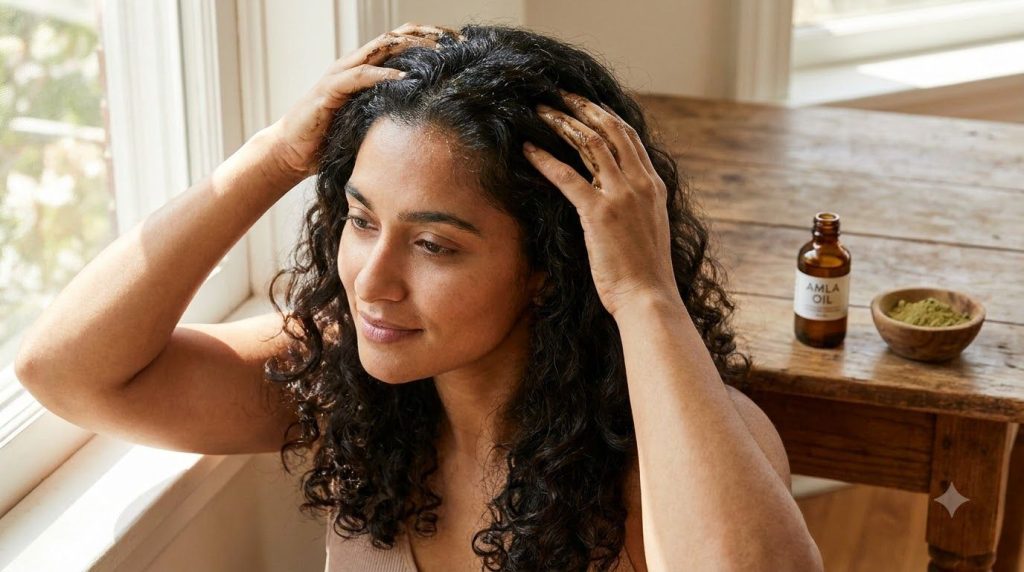
- Pour a small amount of the Amla hair oil into your palm.
- Gently massage the oil into your scalp using your fingertips for 5-10 minutes, ensuring even coverage.
- Work the remaining oil through the lengths of your hair, from roots to tips.
- You can leave it on for at least 30 minutes, or for a deeper treatment, leave it overnight (place a towel on your pillow to protect it).
- Wash your hair thoroughly with a mild shampoo and conditioner.
How Often to Use It
For best results, aim to use your Amla hair oil 1-2 times a week. Consistency is key for any natural remedy.
Why These Ingredients Are Used
Amla (Indian Gooseberry)
Amla is celebrated in Ayurvedic traditions for its potent hair-benefiting properties. It’s naturally rich in antioxidants and traditionally believed to help condition the hair, support scalp health, and, over time, enhance the appearance of darker hair pigment.
Carrier Oil
Carrier oils like coconut, sesame, or almond oil are excellent bases for hair treatments. They penetrate the hair shaft, providing deep moisturization, helping to reduce breakage, and delivering nutrients to the scalp. Coconut oil, in particular, is renowned for its ability to reduce protein loss in hair.
Rosemary Essential Oil (Optional)
Rosemary essential oil is often included in hair care for its invigorating properties, which may support scalp circulation and promote a healthy environment for hair growth. It also adds a fresh, herbaceous scent to your DIY oil blend.
What Results to Expect
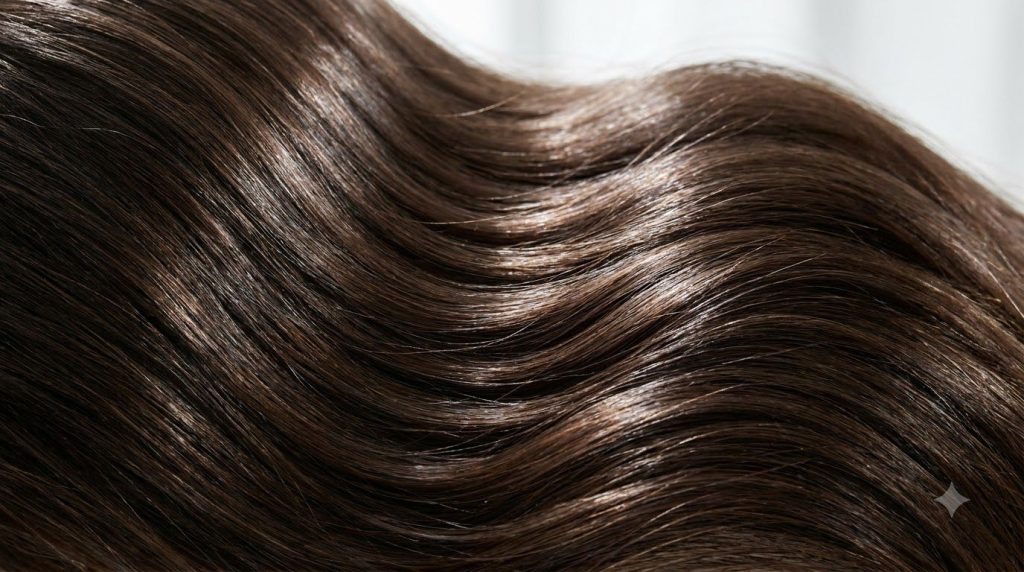
With consistent use, this Amla hair oil may help your hair feel softer, look shinier, and appear more vibrant. While natural remedies like Amla are traditionally used to support hair health and maintain natural hair color, results regarding grey hair can vary for everyone. It’s best to approach this as a long-term nourishment strategy for healthier, more lustrous hair.
Safety Notes
- Patch test first: Always apply a small amount of the prepared oil to a discreet area of your skin (e.g., behind your ear or inner forearm) and wait 24 hours to check for any allergic reactions or irritation before applying it to your entire scalp.
- Use gently: Massage the oil into your scalp and hair without pulling or tugging.
- Avoid irritated or broken skin: Do not apply the oil to areas of your scalp that are irritated, broken, or have open wounds.
- Stop using it if discomfort occurs: If you experience any burning, itching, redness, or discomfort, discontinue use immediately and rinse thoroughly.
- Essential oil caution: If using essential oils, ensure they are properly diluted in a carrier oil. Do not apply undiluted essential oils directly to your skin. If you are pregnant or nursing, consult a healthcare professional before using essential oils.
FAQ
Can Amla truly turn grey hair black?
Amla is traditionally known for its ability to support hair health and maintain natural hair pigment. While it may help to condition hair and make it appear darker and shinier over time, it is not a dye and should not be expected to reverse grey hair to its original color permanently or instantly. Its benefits are more about nurturing overall hair health.
How long does it take to see results?
As with most natural remedies, consistency and patience are key. You might notice improvements in hair texture and shine within a few weeks, but any potential effects on hair pigment may take several months of regular use. Individual results will vary.
Can I use fresh Amla instead of powder or dried pieces?
Yes, you can use fresh Amla by juicing it and mixing the juice with your carrier oil, or by grinding the fresh fruit into a paste. However, fresh Amla has a higher water content, which means the oil might have a shorter shelf life and be more prone to spoilage without preservatives. For longer-lasting oil, dried Amla or Amla powder is generally preferred.
Final Thoughts
Embracing natural remedies like Amla for your hair care routine is a wonderful way to connect with ancient traditions and provide your locks with gentle nourishment. While it may not offer instant transformations, consistent use can contribute to healthier, shinier, and potentially darker-looking hair over time. Give this Grandma’s secret a try and let us know about your experience!