Unlock Your Daily Nutrition: See What 1,500 Calories Looks Like!
Embarking on a wellness journey often involves understanding how much and what we eat. For many, a 1,500-calorie per day target serves as an excellent framework for weight management, improved energy, and overall health. But what does a day of balanced, satisfying eating actually look like when aiming for this number? Forget bland, restrictive diets – we’re here to show you that healthy eating can be both delicious and incredibly satisfying.
This guide will demystify the 1,500-calorie plan, offering practical meal ideas that are easy to achieve and packed with nutrition. Get ready to transform your approach to daily eating and discover the vibrant possibilities!
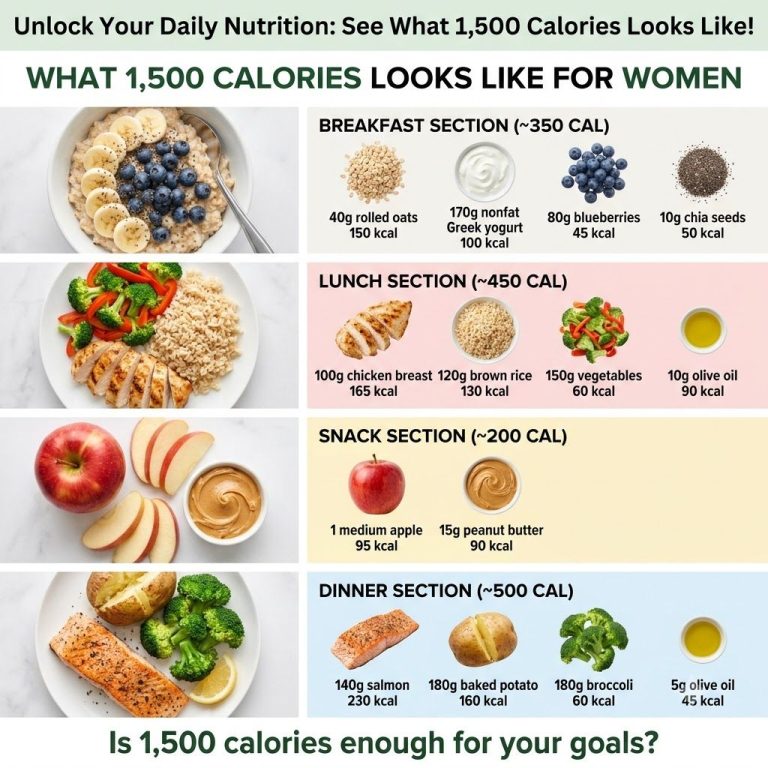
Why 1,500 Calories? Understanding Your Energy Needs
A 1,500-calorie diet is a popular guideline for many adults looking to lose or maintain weight, especially those with a moderately active lifestyle or smaller stature. It provides sufficient energy and nutrients while often creating a modest calorie deficit necessary for healthy weight loss. However, individual calorie needs vary based on age, gender, activity level, and metabolic rate, so it’s always wise to consult a healthcare professional or registered dietitian for personalized advice.
The key isn’t just the number of calories, but the quality of those calories. Focusing on nutrient-dense foods – those rich in vitamins, minerals, fiber, and lean protein – will ensure you feel full, energized, and nourished throughout the day, even at 1,500 calories.
The Blueprint for a Balanced 1,500-Calorie Day
Achieving a 1,500-calorie target doesn’t mean eating tiny portions of boring food. It’s about smart choices, thoughtful portion control, and a good mix of macronutrients (carbohydrates, proteins, and fats).
- Prioritize Protein: Include a good source of lean protein at every meal to promote satiety and muscle maintenance.
- Embrace Fiber-Rich Carbs: Opt for whole grains, fruits, and vegetables to keep you full and support digestive health.
- Healthy Fats are Essential: Incorporate sources like avocado, nuts, seeds, and olive oil for hormone health and absorption of fat-soluble vitamins.
- Hydration is Key: Don’t forget water! It’s calorie-free and crucial for every bodily function, often mistaken for hunger.
Breakfast Ideas (Approx. 300-400 Calories)
Starting your day right sets the tone for healthy choices. Aim for a mix of complex carbohydrates, protein, and healthy fats to provide sustained energy.
1. Greek Yogurt Parfait with Berries and Nuts
- 1 cup (240g) plain Greek yogurt (high protein)
- ½ cup mixed berries (strawberries, blueberries)
- 2 tablespoons chopped almonds or walnuts
- 1 tablespoon chia seeds
Nutritional Boost: This option is packed with protein for muscle health and satiety, antioxidants from berries, and omega-3s from chia seeds and nuts.
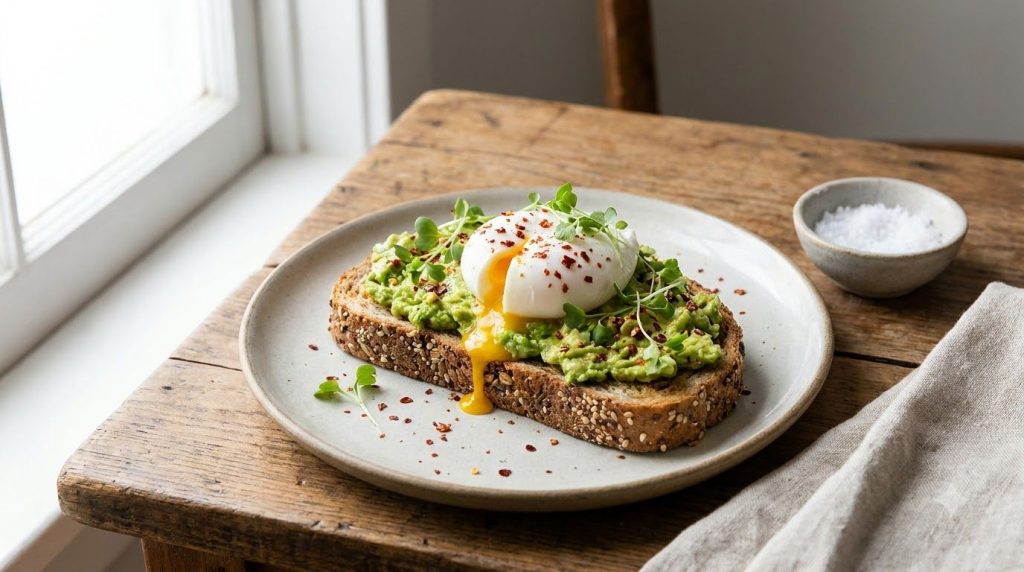
2. Avocado Toast with Egg
- 1 slice whole-grain bread
- ¼ medium avocado, mashed
- 1 hard-boiled or poached egg
- A sprinkle of red pepper flakes and everything bagel seasoning
Nutritional Boost: Healthy fats from avocado, fiber from whole-grain bread, and high-quality protein from the egg provide a balanced and filling start.
Lunch Ideas (Approx. 400-500 Calories)
For lunch, focus on lean protein and a generous amount of vegetables to keep you feeling full and avoid that afternoon slump.
1. Large Chicken & Veggie Salad
- 3-4 oz (85-113g) grilled chicken breast, sliced
- 2 cups mixed greens (spinach, romaine, kale)
- ½ cup chopped cucumbers
- ¼ cup cherry tomatoes
- 2 tablespoons shredded carrots
- 2 tablespoons light vinaigrette dressing
Nutritional Boost: This salad provides ample protein and a rainbow of micronutrients from fresh vegetables, with minimal saturated fat.
2. Quinoa Bowl with Black Beans & Roasted Veggies
- ½ cup cooked quinoa
- ½ cup black beans, rinsed
- 1 cup roasted mixed vegetables (bell peppers, zucchini, onions)
- 2 tablespoons salsa
- 1 tablespoon Greek yogurt or light sour cream (optional)
Nutritional Boost: A plant-based powerhouse, offering complex carbohydrates, fiber, and plant protein, supporting sustained energy and gut health.
Dinner Ideas (Approx. 500-600 Calories)
Dinner can be a substantial and enjoyable meal. Focus on lean protein, complex carbs, and plenty of non-starchy vegetables.
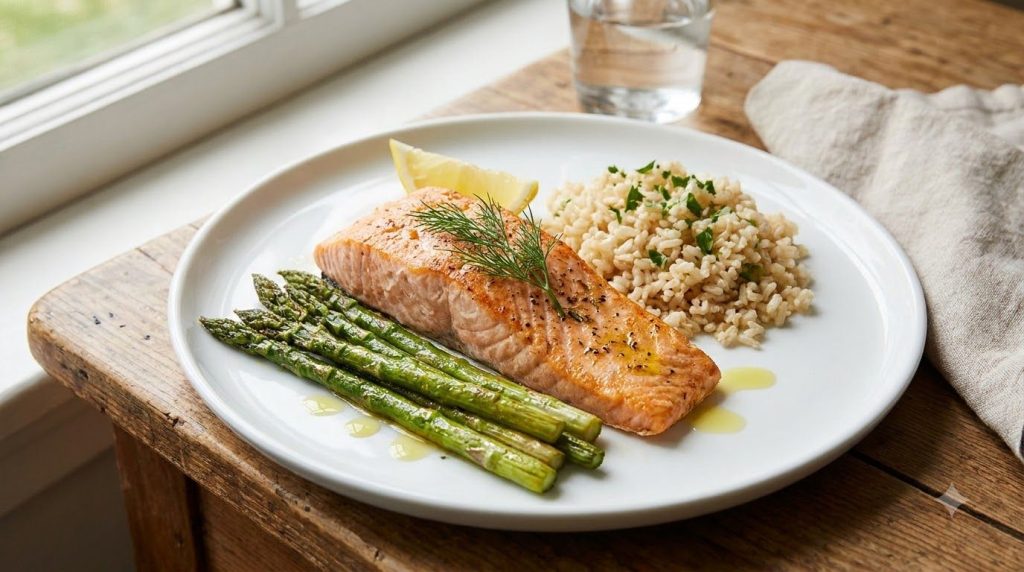
1. Baked Salmon with Roasted Asparagus and Brown Rice
- 4 oz (113g) baked salmon fillet
- 1 cup roasted asparagus (tossed with 1 tsp olive oil)
- ½ cup cooked brown rice
Nutritional Boost: Rich in omega-3 fatty acids for heart and brain health, lean protein, and fiber-rich complex carbohydrates.
2. Turkey & Vegetable Stir-fry
- 4 oz (113g) lean ground turkey or turkey breast strips
- 2 cups mixed stir-fry vegetables (broccoli, snow peas, carrots, bell peppers)
- 1 tablespoon low-sodium soy sauce or tamari
- ½ cup cooked whole wheat noodles or cauliflower rice
Nutritional Boost: A quick, versatile, and nutrient-packed meal, offering lean protein and a high volume of vegetables for fullness.
Snack Ideas (Approx. 100-200 Calories)
Strategic snacking can help manage hunger and provide additional nutrients between meals without derailing your calorie goals.
- 1 medium apple with 1 tablespoon peanut butter
- A handful of mixed nuts (about ¼ cup)
- 1 cup baby carrots with 2 tablespoons hummus
- 1 hard-boiled egg
- Small fruit smoothie (½ cup unsweetened almond milk, ½ banana, ½ cup spinach)
Making It Work For You: Tips for Success
- Meal Prep: Dedicate a few hours each week to prep ingredients like chopped veggies, cooked grains, and lean proteins. This makes healthy eating effortless during busy weekdays.
- Listen to Your Body: While calorie targets are helpful, always pay attention to your hunger and fullness cues. Some days you might need slightly more or less.
- Hydration: Drink plenty of water throughout the day. Sometimes thirst is mistaken for hunger.
- Mindful Eating: Eat slowly, savor each bite, and avoid distractions. This helps your brain register fullness more effectively.
- Track & Adjust: Use a food tracking app for a few days to get a clearer picture of your intake. This awareness is a powerful tool for making informed adjustments.
Embrace a Healthier You!
Seeing what 1,500 calories looks like doesn’t have to be daunting. With these practical, delicious, and balanced meal ideas, you can fuel your body effectively, achieve your wellness goals, and enjoy every bite along the way. Remember, consistency and enjoyment are key to sustainable healthy habits.
We hope this guide inspires you to create your own satisfying 1,500-calorie days!