Dealing with head lice can be a challenge, but a natural, DIY approach can help you manage infestations gently and effectively. This guide provides a simple recipe and step-by-step application method for a natural head lice treatment, focusing on thorough coverage to tackle those unwelcome guests on your scalp.
Quick Recipe
Prep time: 10 minutes
Best for: Head lice infestation, scalp care
Use type: Oil blend
Main ingredients:
- Coconut oil
- Tea tree essential oil
- Eucalyptus essential oil
Ingredients
- 1/4 cup fractionated coconut oil (or regular melted coconut oil, olive oil)
- 10 drops tea tree essential oil
- 5 drops eucalyptus essential oil
- Fine-tooth lice comb
- Shower cap or plastic wrap
How to Make It
- In a small, clean bowl, combine the 1/4 cup of fractionated coconut oil. If using solid coconut oil, gently warm it until it becomes liquid, then let it cool slightly before adding essential oils.
- Add the 10 drops of tea tree essential oil and 5 drops of eucalyptus essential oil to the coconut oil.
- Stir the mixture thoroughly to ensure the essential oils are well distributed throughout the carrier oil.
- Your natural head lice treatment is now ready to apply.
How to Use It
- Prepare the Hair: Ensure hair is dry and detangled. Drape a towel over the shoulders to protect clothing.
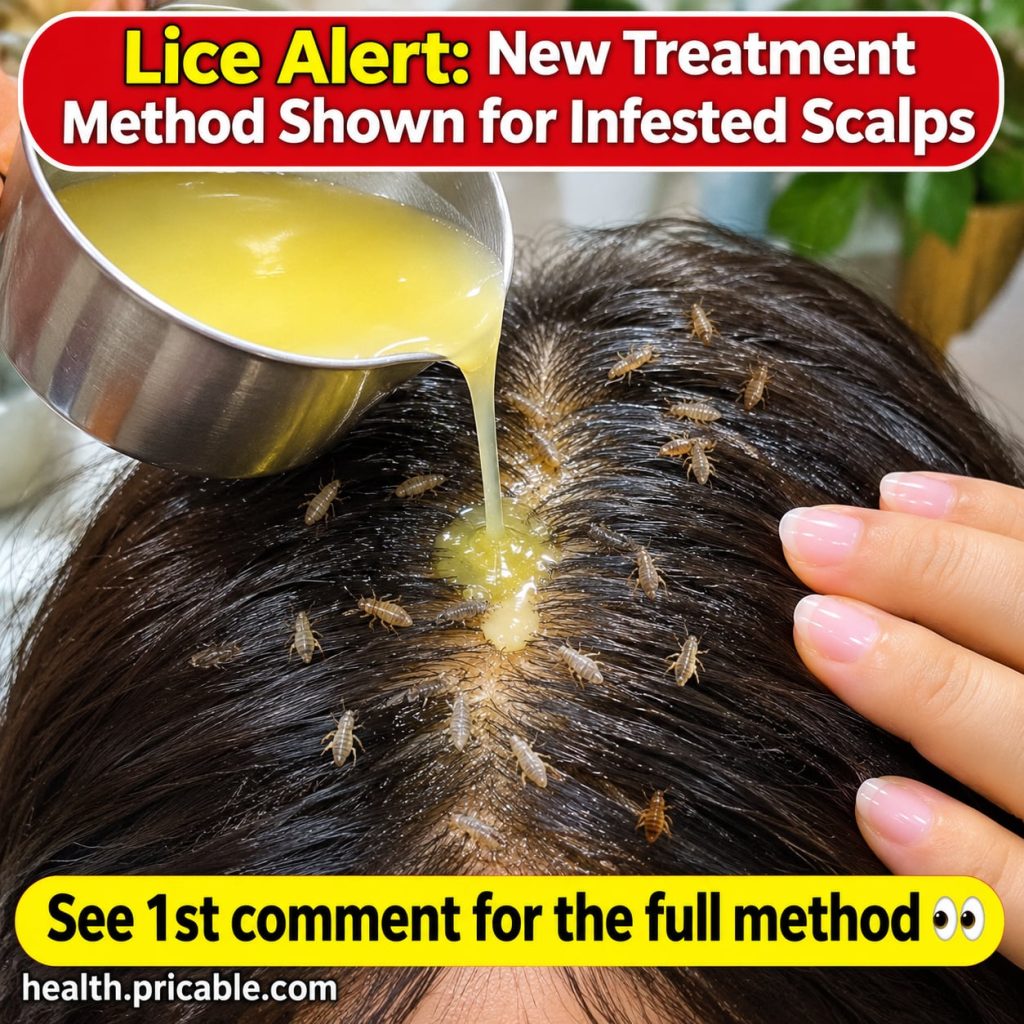
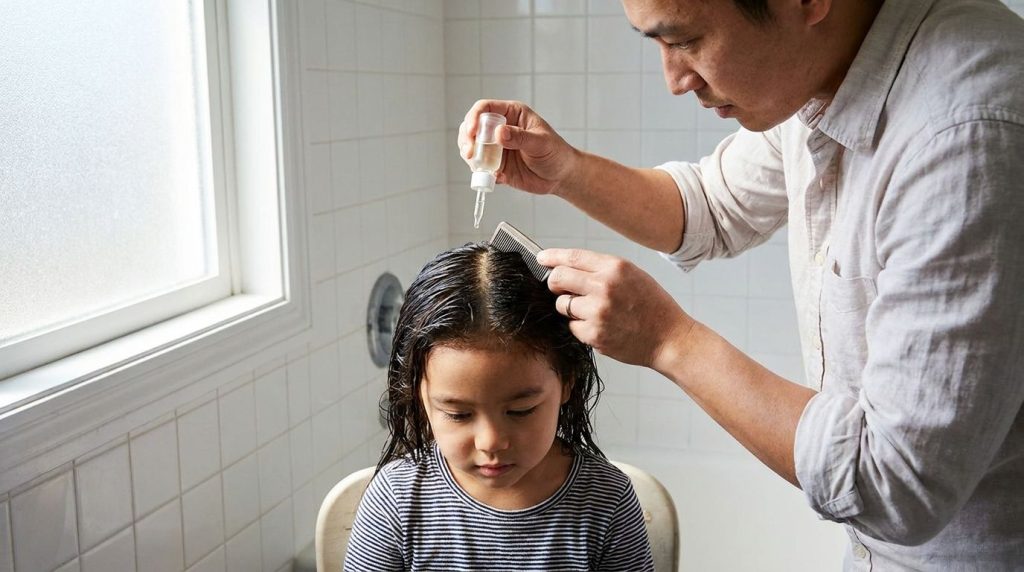
- Apply the Treatment: Using your fingers or a dye applicator bottle, generously apply the oil mixture directly to the scalp, working in small sections. Make sure to saturate the scalp thoroughly, paying close attention to the areas behind the ears and at the nape of the neck where lice often congregate.
- Coat the Hair: Once the scalp is covered, work the remaining oil through the entire length of the hair, from roots to ends, ensuring all strands are well coated.
- Cover and Wait: Put on a shower cap or wrap the hair in plastic wrap. Leave the treatment on for at least 3-4 hours, or ideally overnight, to suffocate the lice and nits.
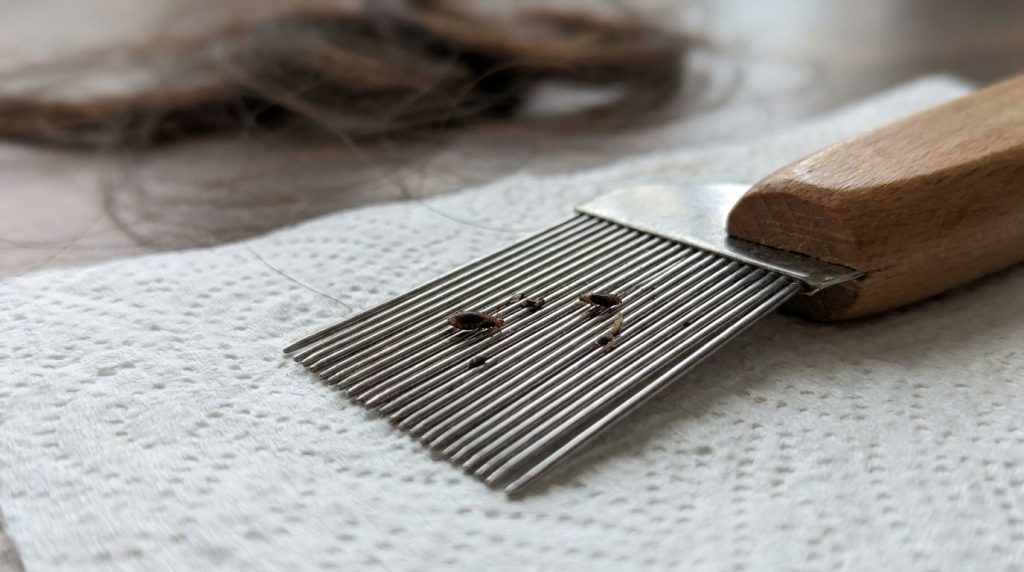
- Comb Out Lice: Before rinsing, remove the shower cap. Using a fine-tooth lice comb, systematically comb through small sections of the hair, starting from the roots and going all the way to the ends. Wipe the comb on a paper towel after each pass to remove lice and nits.
- Rinse and Shampoo: Rinse the hair thoroughly with warm water. Then, shampoo the hair twice to remove all traces of oil. You may need to use a clarifying shampoo.
- Condition (Optional): Follow with your regular conditioner if desired.
How Often to Use It
For best results, repeat this treatment every 3-5 days for at least two weeks (totaling 3-4 applications). This helps to ensure any newly hatched nits are caught before they can mature and lay more eggs. Continue daily combing with a fine-tooth comb between treatments.
Why These Ingredients Are Used
Coconut Oil
Coconut oil is a popular carrier oil in many home remedies. For lice treatment, it is believed to help suffocate lice by coating their respiratory system. Its slippery texture can also make it easier to comb out nits and dead lice.
Tea Tree Essential Oil
Tea tree oil is well-known for its natural insecticidal and antiseptic properties. It is often used in natural remedies to help repel and eliminate various pests, making it a common choice for head lice treatments.
Eucalyptus Essential Oil
Eucalyptus essential oil also possesses natural repellent qualities and can be an effective component in natural lice treatments. Its strong scent and properties may help deter lice and support the overall effectiveness of the blend.
What Results to Expect
This natural head lice treatment may help in suffocating and dislodging head lice and nits, making them easier to comb out. With consistent use and thorough application, you can expect to see a significant reduction in the presence of lice and nits, supporting a cleaner, healthier-looking scalp. Remember that diligence in combing is crucial for success.
Safety Notes
- Patch Test First: Always perform a patch test on a small area of skin (e.g., inner arm) 24 hours before full application to check for any allergic reactions or skin irritation, especially with essential oils.
- Dilution is Key: Essential oils are potent and must always be diluted in a carrier oil. Never apply undiluted essential oils directly to the skin.
- Avoid Eyes: Be extremely careful to keep the oil mixture away from the eyes. If contact occurs, rinse immediately and thoroughly with water.
- Sensitive Scalps: If you have a very sensitive scalp, consider reducing the amount of essential oils or consulting with a healthcare professional before use.
- Children and Pregnancy: Consult a doctor before using essential oils on young children, pregnant women, or individuals with underlying health conditions.
- Stop if Discomfort Occurs: If you experience any burning, itching, or severe irritation, rinse the treatment off immediately and discontinue use.
- Not for Open Wounds: Avoid applying to broken or irritated skin.
- Thorough Cleaning: Remember to clean all combs, brushes, bedding, and clothing that may have come into contact with lice.
FAQ
Does this natural treatment kill nits too?
While the oil mixture primarily focuses on suffocating adult lice, the oily coating can also make it harder for nits to cling to hair strands, aiding in their removal with a fine-tooth comb.
How long should I leave the treatment in my hair?
For best results, leave the treatment in for at least 3-4 hours. For severe infestations, leaving it overnight (up to 8 hours) can be more effective, ensuring lice are thoroughly suffocated.
Can I use other essential oils?
Some other essential oils traditionally used for lice include Rosemary, Peppermint, and Geranium. Always research the safety and proper dilution of any essential oil before use, especially for children. Stick to recommended dilutions.
Final Thoughts
Tackling head lice naturally requires patience and consistency, but this DIY oil blend offers a gentle way to address infestations. Remember to follow the application steps carefully and commit to repeat treatments and thorough combing. A healthy, clear scalp is within reach with a little diligence! Share your experiences or tips in the comments below.