Understanding your body and fueling it correctly is key to achieving any weight goal, whether it’s shedding a few pounds or building lean muscle. For women, nutritional strategies for weight loss and weight gain require distinct approaches, yet both emphasize balanced, nutrient-dense foods and consistent habits. Let’s dive into actionable meal plans that can help unlock your body’s potential.
The Fundamentals: Caloric Balance
Before diving into specific meal plans, it’s crucial to understand the basic principle behind weight management: caloric balance. Your body weight is largely determined by the calories you consume versus the calories you burn.
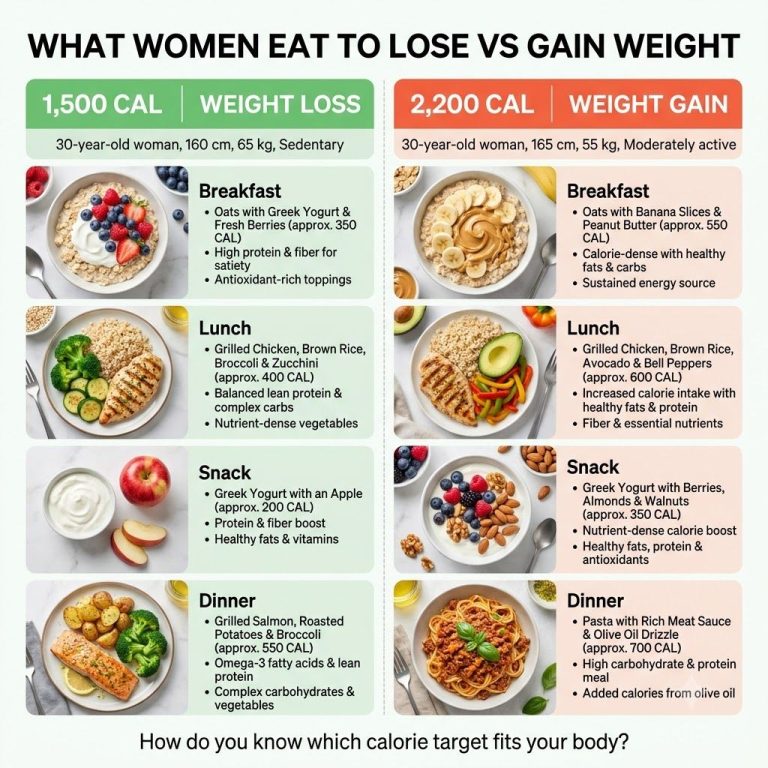
- For Weight Loss: You need to create a caloric deficit, meaning you consume fewer calories than your body expends. This encourages your body to use stored fat for energy.
- For Weight Gain: You need to achieve a caloric surplus, consuming more calories than your body burns. This provides the extra energy needed to build muscle and increase body mass.
Both goals require strategic meal planning, focusing not just on quantity, but also on the quality and nutrient density of your food choices.
Weight Loss Meal Plan: Fueling for a Leaner You
A successful weight loss meal plan for women prioritizes satiety, nutrient intake, and sustainable calorie reduction. It’s about making smarter choices, not just eating less.
Key Principles for Weight Loss:
- High Protein: Protein helps preserve muscle mass during weight loss, keeps you feeling full, and has a higher thermic effect (meaning your body burns more calories digesting it). Aim for lean sources like chicken breast, fish, tofu, lentils, and Greek yogurt.
- Abundant Fiber: Fiber-rich foods (vegetables, fruits, whole grains, legumes) are low in calories but high in volume, promoting fullness and aiding digestion.
- Healthy Fats: Essential for hormone health and satiety. Include sources like avocados, nuts, seeds, and olive oil in moderation.
- Portion Control: Be mindful of serving sizes, especially for calorie-dense foods.
- Hydration: Drink plenty of water throughout the day to support metabolism and reduce hunger pangs.
Example Day for Weight Loss:
- Breakfast: Greek yogurt with berries and a sprinkle of chia seeds.
- Lunch: Large salad with grilled chicken or chickpeas, mixed greens, non-starchy vegetables, and a light vinaigrette.
- Dinner: Baked salmon with steamed broccoli and a small serving of quinoa.
- Snacks: Apple slices with a tablespoon of almond butter, or a handful of baby carrots.
Weight Gain Meal Plan: Building Strength and Mass
For women aiming to gain weight, particularly muscle mass, the focus shifts to consuming nutrient-dense, calorie-rich foods that support tissue repair and growth. This is not an excuse to eat junk food; quality calories are paramount.
Key Principles for Weight Gain:
- Calorie-Dense & Nutrient-Rich: Choose foods that pack a caloric punch without being empty calories. Think healthy fats and complex carbohydrates.
- Adequate Protein: Essential for muscle repair and growth. Aim for regular protein intake throughout the day.
- Healthy Carbohydrates: Provide energy for workouts and replenish glycogen stores. Include whole grains, sweet potatoes, and fruits.
- Frequent Meals: Eating 5-6 smaller, nutrient-dense meals throughout the day can make it easier to reach your caloric surplus without feeling overly stuffed.
- Healthy Fats: A highly concentrated source of calories. Incorporate avocados, nuts, seeds, olive oil, and full-fat dairy (if tolerated).
Example Day for Weight Gain:
- Breakfast: Oatmeal cooked with whole milk, topped with banana, walnuts, and a scoop of protein powder.
- Lunch: Whole-wheat wrap with turkey, avocado, cheese, and a side of mixed nuts.
- Dinner: Beef stir-fry with brown rice and plenty of vegetables, cooked with healthy oils.
- Snacks: Smoothie with spinach, banana, peanut butter, and milk; cottage cheese with fruit.
Common Ground and Essential Healthy Habits
While the caloric goals differ, both weight loss and weight gain meal plans share common principles for overall health and sustainable progress:
- Whole Foods Focus: Prioritize unprocessed, whole foods over refined and processed options.
- Consistency is Key: Adherence to your chosen plan over time yields results.
- Listen to Your Body: Pay attention to hunger and fullness cues.
- Track Progress: Regularly monitor your weight, measurements, and how you feel to adjust your plan as needed.
- Stay Active: Regular physical activity complements any weight goal. Strength training is particularly beneficial for both weight loss (to preserve muscle) and weight gain (to build muscle).
- Consult a Professional: Consider working with a registered dietitian or nutritionist to create a personalized plan tailored to your specific needs and health conditions.
Embark on Your Journey with Confidence
Whether your goal is weight loss or weight gain, success hinges on a well-thought-out, consistent, and science-informed approach to nutrition. By understanding the principles of caloric balance and focusing on nutrient-dense foods, you can confidently work towards achieving your body goals. Remember, it’s a journey that requires patience, dedication, and a commitment to nurturing your body from the inside out. Start making these healthy habits a part of your daily routine today!