Fluffy Homemade Potato Rolls
There’s nothing quite like the aroma of freshly baked bread wafting through your home, and these fluffy homemade potato rolls are pure comfort in every bite. Soft, tender, and incredibly delicious, they’re the perfect accompaniment to any meal, from a casual weeknight dinner to a festive holiday spread. Made with simple ingredients, including the surprising star – mashed potato – these rolls boast an incredibly moist crumb and a subtle sweetness that will have everyone reaching for seconds.
Potato rolls are a beloved classic for a reason. The potato not only adds a unique flavor but also contributes to an unbelievably soft texture that stays fresh longer than traditional dinner rolls. Whether you’re serving them alongside a hearty stew, slathering them with butter for a snack, or using them for sliders, these rolls are guaranteed to be a hit. Get ready to bake a batch of pure joy!
Why You’ll Love This Fluffy Potato Roll Recipe
- Incredibly Soft & Tender: The mashed potato creates an exceptionally moist and pillowy texture.
- Simple Ingredients: You likely have most of these pantry staples on hand already.
- Versatile Side Dish: Perfect for any meal, from soups and salads to roasted meats.
- Freezer-Friendly: Make a big batch and freeze some for later enjoyment.
- Perfect for Beginners: Our detailed instructions make baking bread approachable for everyone.
- Comforting Aroma: Fill your home with the inviting smell of homemade baked goods.
Ingredients
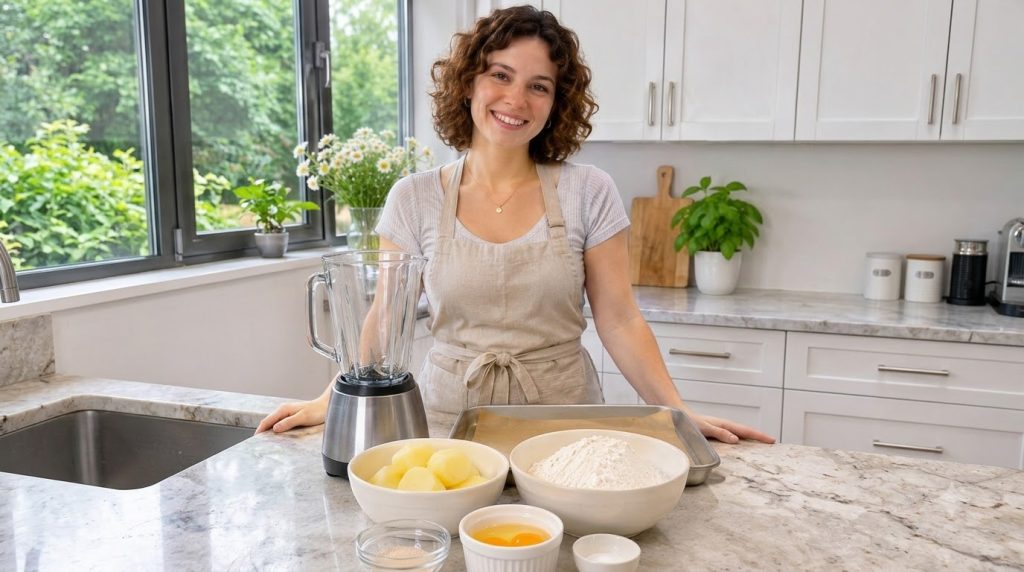
Here’s what you’ll need to create these delightful potato rolls:
For the Rolls:
- 1 medium (about 150-200g) russet potato, peeled and cubed
- ½ cup (120 ml) warm milk (105-115°F / 40-46°C)
- 2 ¼ teaspoons (7 g) active dry yeast (one standard packet)
- ¼ cup (50 g) granulated sugar
- ½ teaspoon salt
- ¼ cup (57 g) unsalted butter, melted and cooled slightly
- 1 large egg, lightly beaten
- 3 ½ – 4 cups (420-480 g) all-purpose flour, plus more for dusting
For Brushing (Optional):
- 2 tablespoons (28 g) unsalted butter, melted
Ingredient Notes
- Russet Potato: Starchy potatoes like russets or Yukon Golds are best for mashing, providing a smooth texture and contributing to the rolls’ fluffiness.
- Warm Milk: Ensure the milk is warm, not hot. Too hot will kill the yeast, too cold won’t activate it. Aim for a temperature similar to warm bath water.
- Active Dry Yeast: This recipe calls for active dry yeast. If using instant yeast, you can mix it directly with the flour, skipping the proofing step with milk and sugar, but proofing helps ensure it’s active.
- All-Purpose Flour: You may need slightly more or less flour depending on humidity and how much moisture is in your mashed potato. Add gradually until the dough comes together.
- Butter: Unsalted butter allows you to control the overall saltiness of the rolls. Make sure it’s cooled slightly after melting to avoid cooking the egg.
Equipment You’ll Need
- Large mixing bowl
- Saucepan for cooking potatoes
- Potato masher or fork
- Measuring cups and spoons
- Whisk
- Stand mixer with dough hook attachment (optional, but helpful)
- Plastic wrap or clean kitchen towel
- 9×13 inch (23×33 cm) baking dish or similar
- Pastry brush
How to Make Fluffy Homemade Potato Rolls
Follow these steps to bake your own batch of irresistible potato rolls:
-
Cook and Mash Potatoes:
Place the peeled and cubed potato in a small saucepan. Cover with cold water and add a pinch of salt. Bring to a boil over medium-high heat, then reduce heat and simmer until the potatoes are fork-tender, about 10-15 minutes. Drain thoroughly and mash until smooth, ensuring there are no lumps. Set aside to cool to room temperature.
-
Activate the Yeast:
In a large mixing bowl (or the bowl of a stand mixer), combine the warm milk and granulated sugar. Sprinkle the active dry yeast over the top. Let it sit for 5-10 minutes until the mixture becomes foamy. This indicates the yeast is active.
-
Combine Wet Ingredients:
To the foamy yeast mixture, add the cooled mashed potato, salt, melted butter, and lightly beaten egg. Whisk until well combined, ensuring the mashed potato is fully incorporated.
-
Add Flour and Form Dough:
Gradually add the all-purpose flour, about 1 cup at a time, mixing with a wooden spoon or the dough hook on low speed after each addition. Continue adding flour until a soft, slightly sticky dough forms. You may not need all 4 cups of flour. The dough should pull away from the sides of the bowl but still feel tacky to the touch.
-
Knead the Dough:
If using a stand mixer, increase the speed to medium-low and knead for 5-7 minutes until the dough is smooth and elastic. If kneading by hand, turn the dough out onto a lightly floured surface and knead for 8-10 minutes until smooth and elastic.
-
First Rise:
Lightly grease a clean large bowl with a little oil. Place the dough in the bowl, turning once to coat. Cover the bowl with plastic wrap or a clean kitchen towel and place it in a warm, draft-free spot. Let the dough rise until doubled in size, about 1 to 1.5 hours, depending on the warmth of your room.
-
Shape the Rolls:
Once doubled, gently punch down the dough to release the air. Turn the dough out onto a lightly floured surface and divide it into 12-16 equal pieces. Shape each piece into a smooth, round ball. Arrange the shaped rolls in a greased 9×13 inch (23×33 cm) baking dish, leaving a small space between each.
-
Second Rise:
Cover the baking dish loosely with plastic wrap or a clean kitchen towel. Let the rolls rise in a warm place for another 30-45 minutes, or until they look puffy and have nearly doubled in size again.
-
Bake the Rolls:
Preheat your oven to 375°F (190°C) during the last 15 minutes of the second rise. Bake the rolls for 18-22 minutes, or until they are golden brown on top and cooked through. If they start to brown too quickly, you can loosely tent them with aluminum foil.
-
Finish and Serve:
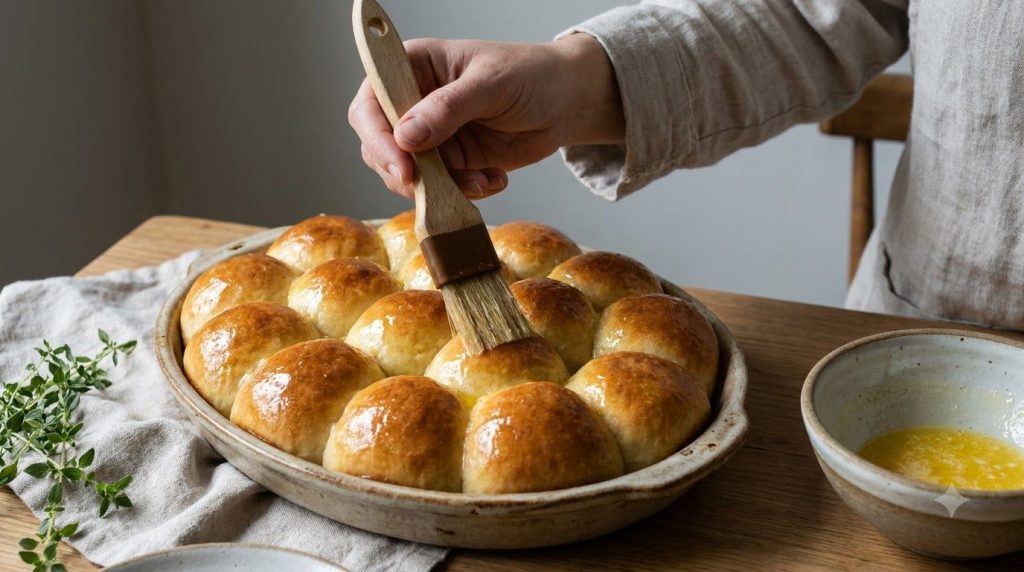
Once baked, remove the rolls from the oven. If desired, brush the tops immediately with 2 tablespoons of melted butter for extra shine and flavor. Let them cool slightly in the pan for a few minutes before serving warm.
Pro Tips for the Best Results
- Don’t Skimp on Mashing: Ensure your mashed potato is completely smooth. Lumps can lead to an uneven texture in your rolls.
- Temperature is Key for Yeast: Use a thermometer to check your milk temperature. Too hot will kill the yeast; too cold won’t activate it.
- Don’t Over-Flour: A slightly sticky dough is a good sign. Adding too much flour will result in dry, dense rolls. Resist the urge to keep adding more.
- Knead Properly: Proper kneading develops the gluten, which is essential for fluffy, airy rolls. The dough should be smooth and spring back when poked.
- Warm Rising Environment: Find a warm, draft-free spot for your dough to rise. A slightly warm oven (turned off, with the light on) or a sunny spot works well.
- Brush with Butter: Don’t skip the final butter brush! It adds incredible flavor, shine, and helps keep the crust soft.
- Patience is a Virtue: Allow adequate time for both rises. Rushing the process will result in less airy rolls.
Common Mistakes to Avoid
- Using Hot Mashed Potatoes: Ensure your mashed potatoes are cooled to room temperature before adding to the yeast mixture. Hot potatoes can kill the yeast.
- Over-Proofing: While under-proofing is bad, over-proofing can also lead to rolls that collapse in the oven or have an alcoholic smell. Keep an eye on the dough; it should be doubled, but not bursting.
- Under-Kneading: If your dough isn’t kneaded enough, your rolls won’t have the proper gluten structure and will turn out dense.
- Incorrect Oven Temperature: An oven that’s too hot can brown the outside too quickly while leaving the inside raw. An oven that’s too cool might dry out the rolls. Use an oven thermometer if unsure.
Variations & Substitutions
- Sweet Potato Rolls: Substitute the russet potato with an equal amount of cooked and mashed sweet potato for a slightly sweeter, earthier flavor.
- Herbed Rolls: Add 1-2 tablespoons of finely chopped fresh herbs like rosemary, thyme, or chives to the dough during the kneading stage.
- Garlic Parmesan Rolls: Mix in 1-2 cloves of minced garlic and ¼ cup of grated Parmesan cheese with the flour.
- Whole Wheat Option: Replace up to 1 cup of all-purpose flour with whole wheat flour for a heartier roll, though it may be slightly less fluffy.
- Dairy-Free: Use a non-dairy milk (like almond or soy milk) and a plant-based butter substitute.
Serving Suggestions
These fluffy potato rolls are incredibly versatile and pair well with almost anything:
- Holiday Dinners: A staple for Thanksgiving, Christmas, or Easter, perfect with turkey, ham, or prime rib.
- Hearty Soups & Stews: Ideal for soaking up every last drop of your favorite comfort food.
- BBQ & Grilling: Serve alongside grilled chicken, ribs, or use them as slider buns.
- Breakfast Sandwiches: Slice them open for a delicious egg and cheese breakfast sandwich.
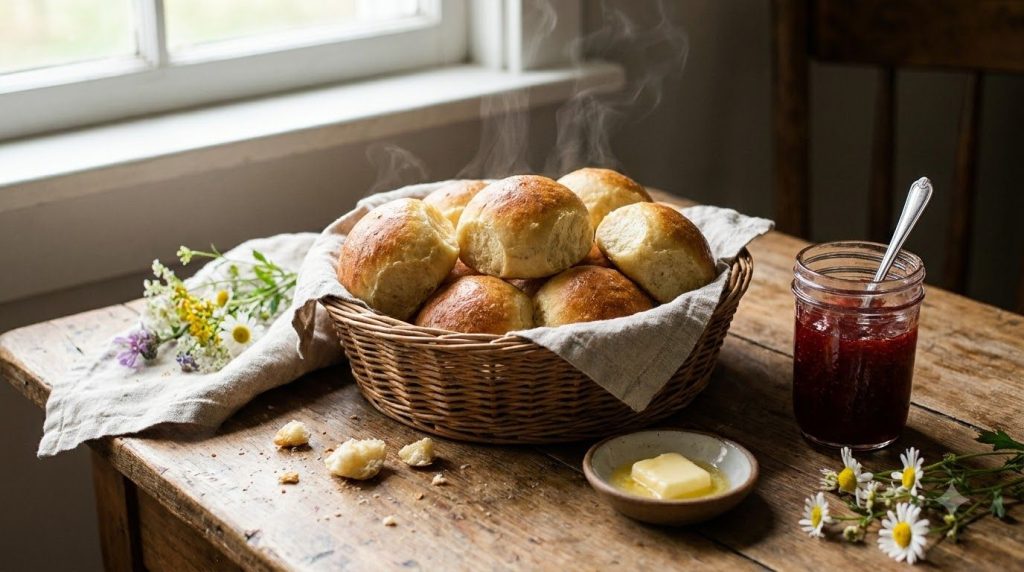
- Simple Snack: Enjoy warm with a generous smear of butter, jam, or honey.
Storage & Reheating
- Refrigerator: Store leftover rolls in an airtight container or zip-top bag at room temperature for up to 3-4 days. For longer freshness, refrigerate for up to 1 week.
- Freezer: Once completely cooled, place rolls in a freezer-safe bag or container. They can be frozen for up to 2-3 months. Thaw at room temperature or reheat directly from frozen.
- Reheating: For best results, reheat rolls in a preheated oven at 300°F (150°C) for 5-10 minutes, or until warmed through. You can also microwave them for 15-30 seconds, but be careful not to overcook, as this can make them tough.
FAQ
Can I make the dough ahead of time?
Yes, you can! After the first rise, you can punch down the dough, shape the rolls, and then place them in your baking dish, cover tightly with plastic wrap, and refrigerate overnight (up to 24 hours). The next day, let them sit at room temperature for about 1-2 hours to come to room temperature and complete their second rise before baking.
Why are my potato rolls dense?
Dense rolls are often a result of adding too much flour, not kneading enough, or not allowing the dough to rise sufficiently during one or both proofing stages. Ensure your yeast is active and the dough is soft and elastic after kneading.
Can I use instant mashed potatoes?
While fresh mashed potatoes are ideal for texture and flavor, you can use plain instant mashed potato flakes. Prepare them according to package directions, ensuring they are plain (no added butter or seasoning) and cooled to room temperature before adding to the dough.
How do I know when the rolls are done baking?
The rolls should be golden brown on top and sound hollow when tapped on the bottom. An internal temperature of about 200-210°F (93-99°C) is also a good indicator of doneness.
What if my dough isn’t rising?
If your dough isn’t rising, it’s likely due to inactive yeast. This could be because your milk was too hot (killing the yeast) or too cold (not activating it), or the yeast itself was expired. Always check your yeast’s expiration date and ensure the milk temperature is correct.
Can I make these rolls without a stand mixer?
Absolutely! You can mix and knead the dough by hand. It will take a bit more arm strength and a few extra minutes of kneading, but the results will be just as delicious.
Recipe Card
Recipe Name: Fluffy Homemade Potato Rolls
Short Description: Delightfully soft, tender, and pillowy rolls made with mashed potato, perfect for any meal or occasion.
Prep Time: 30 minutes
Cook Time: 20 minutes
Total Time: 2 hours 30 minutes (includes rising time)
Servings: 12-16 rolls
Course: Bread, Side Dish
Cuisine: American
Cooking Method: Baking
Ingredients:
- 1 medium (about 150-200g) russet potato, peeled and cubed
- ½ cup (120 ml) warm milk (105-115°F / 40-46°C)
- 2 ¼ teaspoons (7 g) active dry yeast (one standard packet)
- ¼ cup (50 g) granulated sugar
- ½ teaspoon salt
- ¼ cup (57 g) unsalted butter, melted and cooled slightly
- 1 large egg, lightly beaten
- 3 ½ – 4 cups (420-480 g) all-purpose flour, plus more for dusting
- 2 tablespoons (28 g) unsalted butter, melted (for brushing, optional)
Instructions:
- Cook and Mash Potatoes: Place cubed potato in a saucepan, cover with cold salted water, boil until fork-tender (10-15 min). Drain well and mash until smooth. Cool to room temperature.
- Activate Yeast: In a large bowl, combine warm milk and sugar. Sprinkle yeast over top. Let sit 5-10 minutes until foamy.
- Combine Wet Ingredients: Add cooled mashed potato, salt, melted butter, and beaten egg to the yeast mixture. Whisk until well combined.
- Add Flour and Form Dough: Gradually add flour, 1 cup at a time, mixing until a soft, slightly sticky dough forms.
- Knead the Dough: Knead by hand on a lightly floured surface for 8-10 minutes, or with a stand mixer for 5-7 minutes, until dough is smooth and elastic.
- First Rise: Lightly oil a clean bowl, place dough in it (turning to coat), cover, and let rise in a warm spot until doubled (1 to 1.5 hours).
- Shape the Rolls: Punch down dough. Divide into 12-16 equal pieces and shape into smooth balls. Place in a greased 9×13 inch baking dish.
- Second Rise: Cover dish loosely and let rolls rise for 30-45 minutes, until puffy and nearly doubled.
- Bake the Rolls: Preheat oven to 375°F (190°C). Bake for 18-22 minutes, until golden brown.
- Finish and Serve: Remove from oven. Brush tops immediately with 2 tablespoons melted butter (if using). Cool slightly before serving warm.
Notes:
Ensure mashed potatoes are fully cooled before adding to yeast mixture. Do not over-flour the dough; it should remain slightly tacky. Proper kneading and allowing sufficient rising time are crucial for fluffy results.
Storage:
Store in an airtight container at room temperature for 3-4 days, or refrigerate for up to 1 week. Freeze cooled rolls for up to 2-3 months in a freezer-safe bag. Reheat in a 300°F (150°C) oven for 5-10 minutes.
Nutrition:
Nutrition information is an estimate and may vary depending on the ingredients and brands used.