Master Your Meals: 10 Incredible Homemade Sauce Recipes
Are you ready to transform your everyday cooking from good to gourmet with minimal effort? The secret often lies in the sauce! Making sauces from scratch might sound intimidating, but it’s one of the easiest and most impactful ways to elevate your meals. Forget store-bought options filled with additives; homemade sauces offer unparalleled freshness, vibrant flavor, and complete control over your ingredients.
Imagine drizzling a bright, zesty vinaigrette over your salad, spooning a rich, aromatic marinara over pasta, or dipping crispy chicken into a creamy, savory aioli. These aren’t just condiments; they are flavor foundations that can tie a dish together, enhance textures, and even inspire new culinary creations. From quick dressings to versatile glazes, mastering a few homemade sauces will unlock a world of culinary possibilities, making your meals healthier, more delicious, and incredibly satisfying.
Why You’ll Love These Homemade Sauces
- Unmatched Flavor: Fresh ingredients mean bolder, more authentic tastes that store-bought versions can’t replicate.
- Ingredient Control: Avoid artificial preservatives, excess sugar, and unhealthy fats by choosing exactly what goes into your food.
- Incredibly Versatile: A single sauce can transform salads, meats, vegetables, sandwiches, and dips.
- Easy to Make: Many fantastic sauces come together in just minutes with basic pantry staples and minimal cooking.
- Budget-Friendly: Making sauces from scratch is often more economical than buying specialty pre-made options.
- Perfect for Meal Prep: Whip up a batch at the beginning of the week to quickly assemble delicious meals later.
Ingredients for Versatile Homemade Sauces
While each sauce will have its unique component, building a well-stocked pantry with a few key items will set you up for success. For illustrative purposes, we’ll focus on a foundational, versatile sauce: a Simple Lemon Herb Vinaigrette.
For a Simple Lemon Herb Vinaigrette:
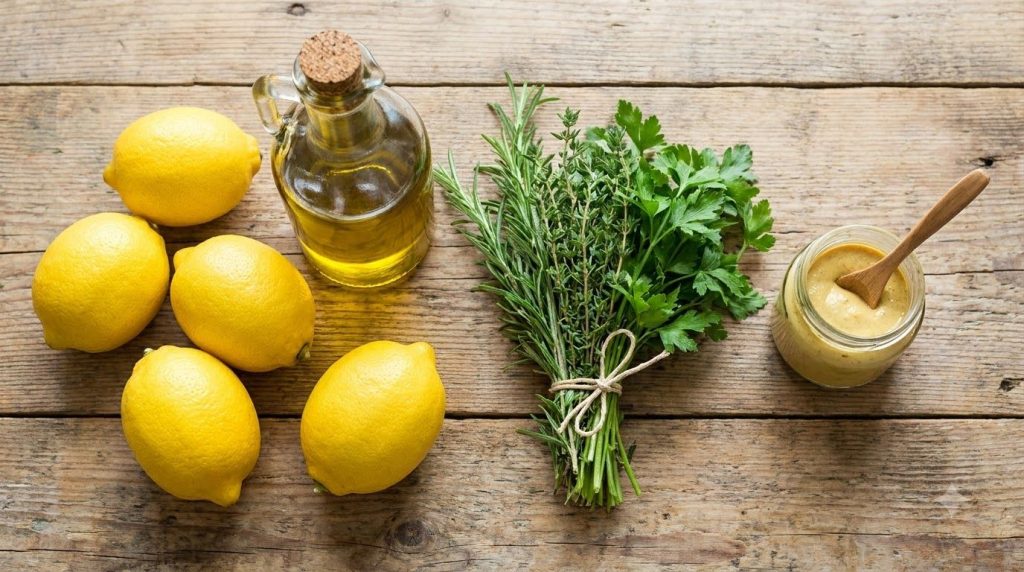
- 1/2 cup (120 ml) extra virgin olive oil
- 1/4 cup (60 ml) fresh lemon juice (from about 1-2 lemons)
- 1 tbsp (15 ml) Dijon mustard
- 1 clove garlic, minced (about 1 tsp)
- 1 tsp (5 ml) fresh or dried mixed herbs (such as oregano, thyme, or a blend like Herbes de Provence)
- 1/2 tsp (2.5 ml) salt, or to taste
- 1/4 tsp (1.25 ml) black pepper, freshly ground, or to taste
Ingredient Notes
- Extra Virgin Olive Oil: The quality of your oil significantly impacts the flavor. Choose a good quality olive oil for vinaigrettes. For other sauces, different oils like canola, vegetable, or sesame oil might be appropriate.
- Fresh Lemon Juice: Always use fresh lemon juice for the brightest flavor. Bottled juice often has a duller taste. Fresh lime juice can also be a great substitute in many recipes.
- Dijon Mustard: Acts as an emulsifier, helping to bind the oil and vinegar, preventing them from separating. It also adds a tangy depth of flavor. If unavailable, a tiny pinch of dry mustard powder can work, but Dijon is preferred.
- Fresh Garlic: Minced garlic adds a pungent, aromatic base. For a milder flavor, you can roast the garlic first.
- Herbs: Fresh herbs like parsley, chives, dill, basil, or oregano offer vibrant flavor. If using dried herbs, use about one-third of the amount of fresh herbs, as their flavor is more concentrated.
Equipment You’ll Need
- Mixing bowl
- Whisk or fork
- Measuring cups and spoons
- Small jar with a lid (for storage)
- Cutting board and knife (for mincing garlic and chopping herbs)
How to Make Simple Lemon Herb Vinaigrette
This easy vinaigrette is a fantastic starting point for any home cook looking to master homemade sauces.
- Combine Wet Ingredients: In a medium mixing bowl, combine the fresh lemon juice, Dijon mustard, minced garlic, salt, and black pepper. Whisk these ingredients together until well combined.
- Add Herbs: Stir in your chosen fresh or dried herbs. If using fresh, make sure they are finely chopped.
- Emulsify with Oil: Slowly drizzle in the extra virgin olive oil while continuously whisking vigorously. Continue whisking until the vinaigrette is fully emulsified and has a slightly creamy, cohesive consistency. This should take about 1-2 minutes.
- Taste and Adjust: Taste the vinaigrette and adjust seasonings as needed. You might want more salt, pepper, or a touch more lemon juice for extra tang.
- Serve or Store: Use immediately, or transfer to an airtight container (like a jar with a lid) and refrigerate until ready to use.
Pro Tips for the Best Results
- Use Freshly Squeezed Citrus: For the brightest flavor in vinaigrettes and other acidic sauces, always use freshly squeezed lemon or lime juice.
- Taste as You Go: Seasoning is key. Continuously taste your sauce and adjust salt, pepper, acidity, and sweetness until it reaches your desired balance.
- Emulsify Properly: When making vinaigrettes or creamy sauces, slowly drizzle in the oil while whisking constantly. This creates a stable emulsion that won’t separate quickly.
- Chill for Flavor Melding: Many sauces, especially those with fresh herbs and garlic, benefit from chilling for at least 30 minutes to an hour before serving. This allows the flavors to meld and deepen.
- Balance Flavors: Think about balancing sweet, sour, salty, bitter, and umami. A touch of honey or maple syrup can cut through acidity, while a pinch of salt can brighten all flavors.
- Experiment with Herbs and Spices: Don’t be afraid to try different combinations of fresh or dried herbs and spices to customize your sauces.
Common Mistakes to Avoid
- Not Balancing Flavors: A sauce that is too acidic, too salty, or too bland can ruin a dish. Always taste and adjust.
- Using Stale Ingredients: Old dried herbs or garlic that has lost its potency won’t deliver the vibrant flavor you’re looking for. Use fresh ingredients whenever possible.
- Over-Reducing (for cooked sauces): If you’re simmering a sauce to thicken it, be careful not to over-reduce, which can make it overly concentrated and salty.
- Insufficient Whisking/Mixing: For vinaigrettes and creamy dressings, not whisking enough when adding oil can lead to separation.
- Storing Incorrectly: Some sauces require refrigeration, while others might be fine at room temperature for a short period. Always follow storage guidelines to maintain freshness and safety.
10 Incredible Homemade Sauces to Master
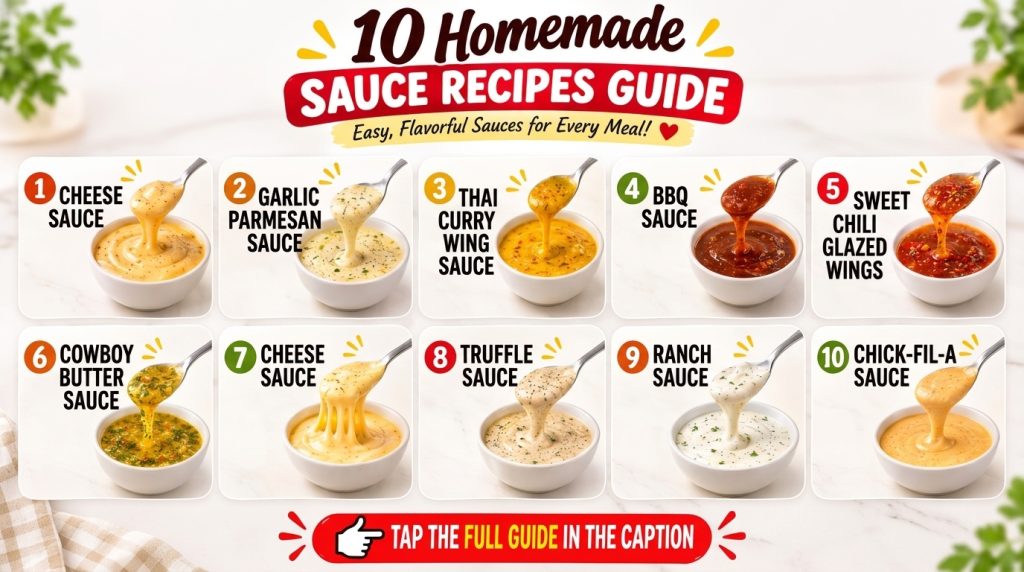
Ready to expand your sauce repertoire? Here are ten versatile homemade sauces that will revolutionize your cooking:
- Basic Vinaigrette: The foundation of countless salad dressings and marinades. Mix oil, vinegar (red wine, balsamic, apple cider), Dijon, salt, pepper, and optional herbs.
- Simple Marinara Sauce: A classic Italian staple. Sauté garlic and onion, add crushed tomatoes, Italian herbs (basil, oregano), and simmer for rich flavor. Perfect for pasta, pizza, or dipping.
- Creamy Yogurt-Herb Dressing: A lighter, tangy alternative to mayonnaise-based dressings. Combine plain Greek yogurt with fresh dill, chives, lemon juice, salt, and pepper. Great for salads, wraps, or as a dip.
- Homemade Pesto: Bursting with fresh basil, pine nuts, Parmesan cheese, garlic, and olive oil. Blend ingredients in a food processor for a vibrant, aromatic sauce for pasta, sandwiches, or grilled chicken.
- Quick Peanut Sauce: A sweet, savory, and spicy sauce inspired by Thai cuisine. Whisk together peanut butter, soy sauce, lime juice, honey or maple syrup, a touch of ginger, garlic, and a pinch of chili flakes. Excellent with noodles, satay, or vegetable bowls.
- Spicy Aioli: A garlicky mayonnaise elevated with a kick. Whisk mayonnaise with minced garlic, lemon juice, a dash of hot sauce (like Sriracha), salt, and pepper. Ideal for fries, sandwiches, or seafood.
- Teriyaki Glaze: A sweet and savory Japanese-inspired glaze. Simmer soy sauce, mirin (or rice vinegar with a pinch of sugar), ginger, garlic, and brown sugar until thickened. Fantastic for grilling chicken, salmon, or stir-fries.
- Creamy Mushroom Sauce: Earthy and comforting. Sauté mushrooms and garlic, deglaze with white wine or broth, add cream or milk, and season. Delicious over steak, chicken, or pasta.
- Fresh Chimichurri: A vibrant, herbaceous sauce from Argentina. Finely chop fresh parsley, cilantro, oregano, garlic, red wine vinegar, olive oil, and red pepper flakes. A perfect accompaniment for grilled meats.
- Tangy BBQ Sauce (Quick Version): A smoky, sweet, and tangy crowd-pleaser. Combine ketchup, apple cider vinegar, brown sugar, Worcestershire sauce, smoked paprika, garlic powder, and onion powder. Simmer briefly. Great for ribs, pulled pork, or chicken.
Variations & Substitutions
- Herbs: Feel free to swap fresh or dried herbs based on your preference or what you have on hand. Basil, parsley, cilantro, dill, oregano, and thyme all offer unique flavors.
- Acids: Experiment with different vinegars (red wine, balsamic, apple cider, white wine) or citrus juices (lime, orange) to vary the tanginess and flavor profile of your sauces.
- Sweeteners: A touch of honey, maple syrup, or a pinch of sugar can help balance acidity in many sauces.
- Spices: Add a pinch of cayenne pepper, smoked paprika, cumin, or curry powder to introduce new dimensions of flavor and heat.
- Creaminess: Greek yogurt, sour cream, coconut milk, or even avocado can be used to add richness and creaminess to various sauces.
Serving Suggestions
Homemade sauces are incredibly versatile! Here are just a few ideas:
- Salads: Vinaigrettes and creamy dressings are a natural fit for green salads, grain bowls, or potato and pasta salads.
- Proteins: Use them as marinades for chicken, fish, or tofu. Drizzle over grilled steaks, roasted salmon, or pan-seared pork.
- Vegetables: Toss roasted, steamed, or grilled vegetables with a flavorful sauce.
- Dips & Spreads: Many sauces double as fantastic dips for raw vegetables, chips, or crackers. Spread aioli or pesto on sandwiches and wraps.
- Pasta & Grains: Classic marinara for pasta, pesto for grain bowls, or a creamy mushroom sauce for polenta.
Storage & Reheating
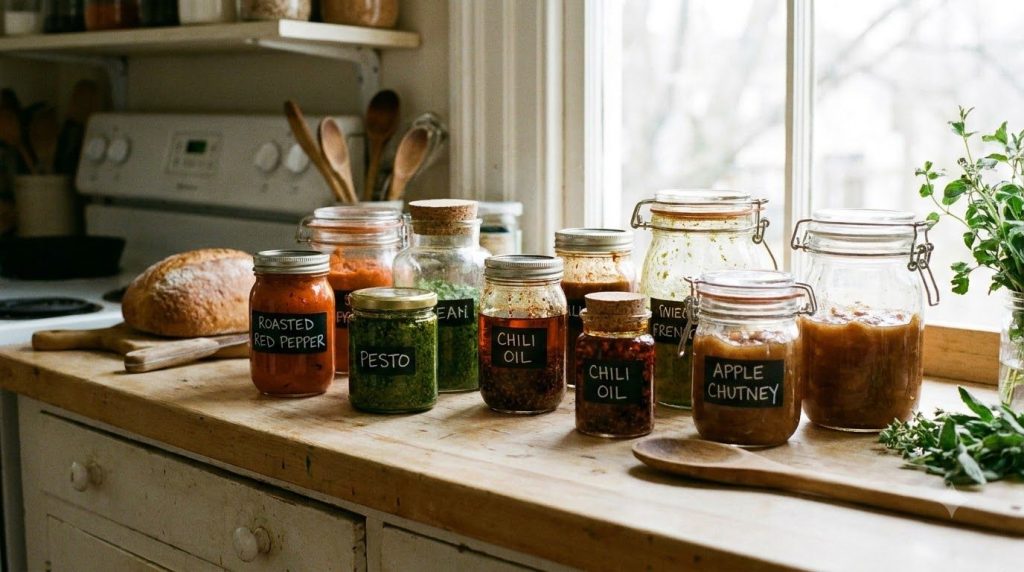
- Refrigerator Storage: Most homemade sauces, especially those with fresh ingredients like garlic, herbs, and dairy, should be stored in an airtight container in the refrigerator. They typically last for 3-7 days, depending on the ingredients. Always label with the date.
- Freezer Suitability: Oil-based sauces like pesto (without cheese initially) and tomato-based sauces often freeze well. Creamy or dairy-based sauces may separate upon thawing, but can sometimes be whisked back to consistency. Freeze in small portions for convenience.
- Reheating: Cooked sauces can be gently reheated on the stovetop over low heat, stirring occasionally. If too thick, thin with a splash of water or broth. Vinaigrettes and cold dressings generally do not require reheating; simply let them come to room temperature for optimal flavor.
FAQ About Homemade Sauces
How long do homemade sauces last?
Generally, oil and vinegar-based sauces like vinaigrettes can last up to 1 week in the refrigerator. Sauces with fresh dairy, garlic, or herbs typically last 3-5 days. Always rely on smell and appearance – if it looks or smells off, it’s best to discard it.
Can I freeze homemade sauces?
Yes, many sauces freeze well! Tomato-based sauces and pesto (without cheese added) are excellent candidates. Dairy-based sauces might separate, but can sometimes be revived with a whisk. Freeze in ice cube trays or airtight containers for easy portioning.
What’s the best way to thicken a sauce?
For cooked sauces, you can simmer to reduce and concentrate flavor, add a slurry (cornstarch or flour mixed with cold water), or whisk in butter (monté au beurre) at the end for richness and gloss.
How do I fix a sauce that’s too salty?
If your sauce is too salty, you can try adding a splash of acid (lemon juice or vinegar) or a touch of sweetness (honey or sugar) to balance it. If it’s a cooked sauce, you might be able to add more of the main liquid ingredient (broth, cream, crushed tomatoes) to dilute the saltiness.
Can I make these sauces healthier?
Absolutely! Homemade sauces are inherently healthier. To further boost health, reduce added sugars, use healthy fats like extra virgin olive oil, increase fresh herbs and vegetables, and opt for low-sodium broths or soy sauce alternatives.
Why did my vinaigrette separate?
Separation often occurs if the oil is added too quickly, or if there isn’t enough emulsifier (like Dijon mustard) to bind the oil and vinegar. To fix it, whisk vigorously or blend briefly. For a more stable emulsion, try using an immersion blender.
Recipe Card: Simple Lemon Herb Vinaigrette
Simple Lemon Herb Vinaigrette
A versatile, bright, and flavorful vinaigrette perfect for salads, marinades, and roasted vegetables. Quick to make and a fantastic staple for any kitchen.
Prep Time: 5 minutes
Cook Time: 0 minutes
Total Time: 5 minutes
Servings: 4-6 (approx. 1 cup / 240 ml)
Course: Sauce, Dressing
Cuisine: American, International
Cooking Method: Whisking, No-Cook
Ingredients:
- 1/2 cup (120 ml) extra virgin olive oil
- 1/4 cup (60 ml) fresh lemon juice (from about 1-2 lemons)
- 1 tbsp (15 ml) Dijon mustard
- 1 clove garlic, minced (about 1 tsp / 5g)
- 1 tsp (5 ml) fresh or dried mixed herbs (such as oregano, thyme, or Herbes de Provence)
- 1/2 tsp (2.5 ml) salt, or to taste
- 1/4 tsp (1.25 ml) black pepper, freshly ground, or to taste
Instructions:
- Combine Wet Ingredients: In a medium mixing bowl, combine the fresh lemon juice, Dijon mustard, minced garlic, salt, and black pepper. Whisk these ingredients together until well combined.
- Add Herbs: Stir in your chosen fresh or dried herbs. If using fresh, ensure they are finely chopped for best distribution.
- Emulsify with Oil: While continuously whisking vigorously, slowly drizzle in the extra virgin olive oil. Continue whisking until the vinaigrette is fully emulsified and has a slightly creamy, cohesive consistency, usually about 1-2 minutes.
- Taste and Adjust: Taste the vinaigrette and adjust seasonings as needed. You might want more salt, pepper, or a touch more lemon juice for extra tang.
- Serve or Store: Use immediately as a dressing or marinade. Alternatively, transfer to an airtight container (like a jar with a lid) and refrigerate until ready to use.
Notes:
For a smoother vinaigrette, you can pulse all ingredients in a blender or food processor. For a creamier texture, add a tablespoon of Greek yogurt.
Storage:
Store in an airtight container in the refrigerator for up to 5-7 days. Whisk or shake well before each use, as some separation may naturally occur.
Nutrition:
Nutrition information is an estimate and may vary depending on the ingredients and brands used.