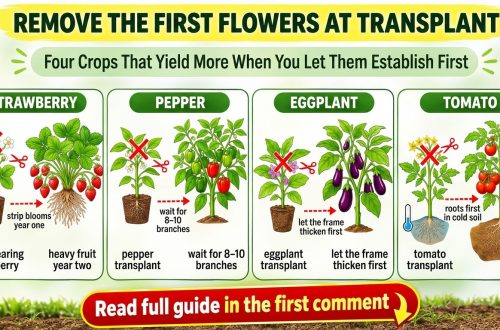
Every gardener dreams of a bountiful harvest, baskets overflowing with fresh, homegrown vegetables. What if we told you there’s a simple, often overlooked technique that can significantly boost your yields and lead to healthier, more robust plants? It’s called ‘pruning first flowers’, and it’s a game-changer for many popular edibles!
While it might seem counterintuitive to remove the very first signs of fruit, this strategic move redirects your plant’s energy, setting the stage for an explosive, more productive season. Let’s dig into why this technique works and how you can implement it in your home garden.
Why Should You Prune the First Flowers?
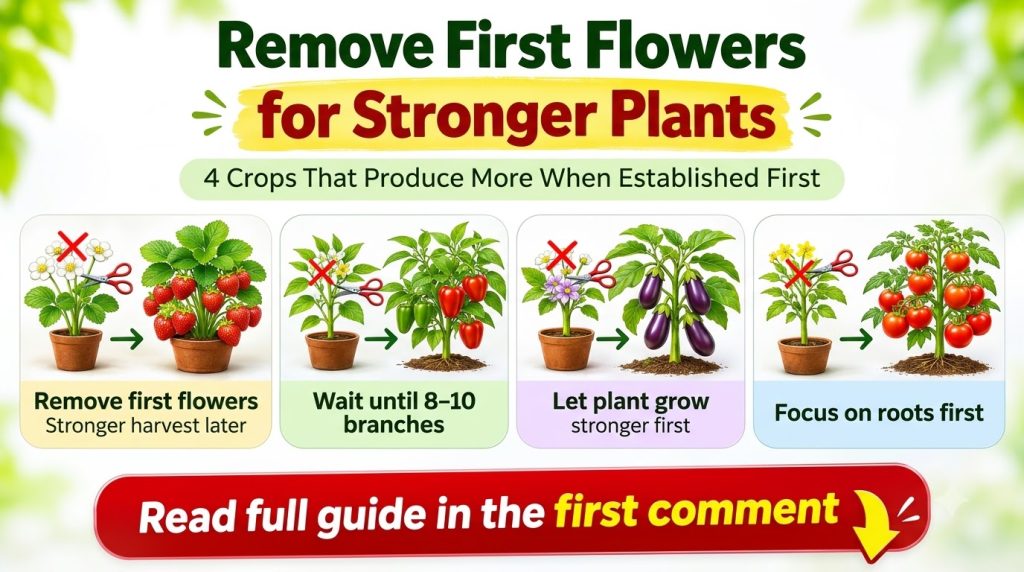
When a young plant starts to flower, its primary focus shifts from growing strong roots and lush foliage to producing fruit. If a plant expends too much energy on early fruit development, it might become stunted, weaker, or produce fewer, smaller fruits in the long run. By removing the initial blossoms, you encourage the plant to invest its energy elsewhere:
- Stronger Root System: A robust root system is the foundation of a healthy plant, allowing it to absorb more water and nutrients.
- More Vigorous Foliage: Healthy leaves are crucial for photosynthesis, which provides the energy for fruit production.
- Overall Plant Health: A stronger, more mature plant is better equipped to handle stress, pests, and diseases, leading to a longer, more productive life cycle.
Think of it like sending your plant to a preparatory school before it goes to college. You’re giving it the best possible start to ensure peak performance down the line!
Which Plants Benefit Most from Early Pruning?
While not every plant requires this technique, many popular garden vegetables respond exceptionally well. Here are some of the stars that truly shine after their first flowers are removed:
- Tomatoes: Especially determinate varieties, but indeterminate types also benefit from a strong start.
- Peppers (Bell, Chili, etc.): Encourage bushier growth and more fruit later on.
- Eggplants: Similar to peppers, this helps them develop a sturdy structure.
- Strawberries: Removing the first flush of flowers can lead to larger, sweeter berries later in the season.
- Cucumbers: For many varieties, especially those grown vertically, this can improve overall plant vigor.
- Squash & Zucchini: Encourages better branching and more prolific fruiting.
It’s important to note that you usually only need to remove the very first set of flowers or small fruits when the plant is still young and establishing itself. Once the plant has grown significantly and has a strong foundation, you can let it flower and fruit naturally.
How to Prune the First Flowers (The Easy Way!)
This process is incredibly simple and doesn’t require any special tools beyond clean hands or a small pair of snips.
- Identify Young Plants: Wait until your seedlings or transplants have settled into their new home and started putting on new growth.
- Locate the First Flowers: Look for the very first flower buds or tiny blossoms that appear on the plant. They are usually quite small and delicate.
- Pinch or Snip: Gently pinch off the flower bud with your thumb and forefinger, or use clean, sharp scissors or pruners to snip it off at the base. Make sure not to damage any surrounding leaves or stems.
- Observe & Repeat (If Necessary): Depending on the plant and how quickly it grows, you might need to repeat this process for any new flowers that appear within the first few weeks of transplanting. Generally, once the plant reaches a decent size (e.g., 1-2 feet for tomatoes/peppers), you can stop.
A Word of Caution:
Always use clean tools or hands to prevent the spread of diseases. If you notice any signs of disease, sterilize your tools with rubbing alcohol before moving to the next plant.
Reaping the Rewards: What to Expect
After a few weeks of patience, you’ll start to see the amazing benefits of your early pruning efforts:
- Increased Yields: Many gardeners report a significantly higher number of fruits from plants that had their first flowers removed.
- Larger, Healthier Fruits: With energy redirected, the plant can produce bigger, more robust, and often tastier produce.
- Extended Harvest Season: Stronger plants tend to produce fruit for a longer period, giving you more fresh veggies to enjoy.
- More Resilient Plants: Your plants will be better equipped to withstand environmental stresses like heat waves or short dry spells.
Embrace this simple yet powerful gardening technique to transform your vegetable patch into a harvest powerhouse. It’s a small effort that yields tremendous results, ensuring your plants are not just surviving, but thriving!
Happy gardening!