There’s nothing quite like the taste of a freshly picked, sun-ripened strawberry from your own garden. Sweet, juicy, and bursting with flavor, homegrown strawberries are a summer delight that can elevate any meal or snack. If you’ve dreamt of a bountiful harvest but felt unsure where to start, you’ve come to the right place! We’re here to share natural tips that will help you grow abundant, sweet strawberries right in your backyard, patio, or even on your balcony.
Growing strawberries can be incredibly rewarding, whether you’re a seasoned gardener or just dipping your toes into the world of edible plants. With a little knowledge and care, you can enjoy these vibrant red gems all season long. Let’s dig in and discover the secrets to unlocking your best strawberry harvest yet!
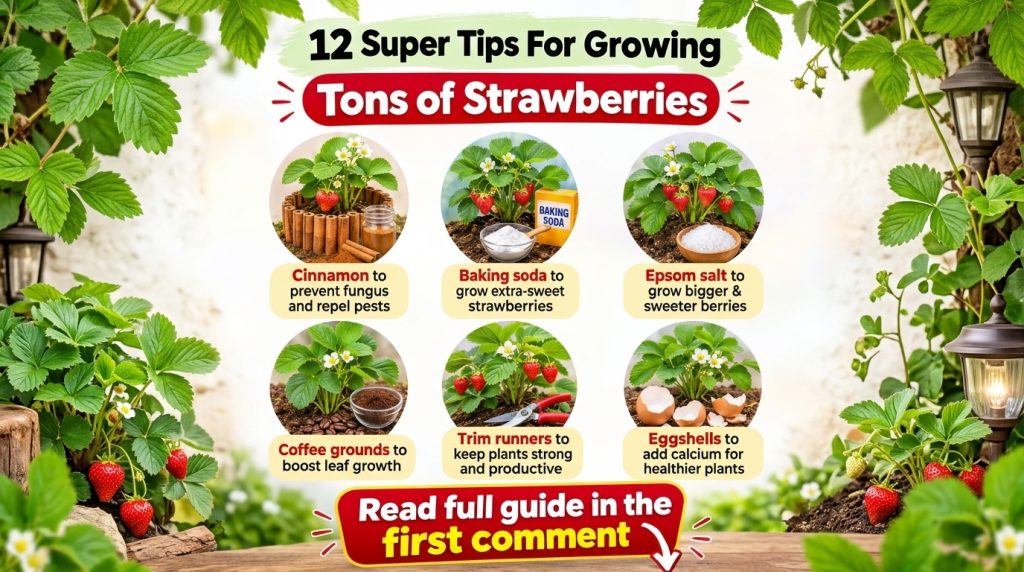
1. Choose the Right Strawberry Variety
The first step to a successful strawberry patch is selecting the right variety for your climate and gardening goals. There are three main types:
- June-bearing: These produce one large crop over a two to three-week period in late spring or early summer. They are great if you want a lot of berries for canning, freezing, or making preserves.
- Ever-bearing: These produce two to three harvests per season—one in spring, another in late summer, and sometimes a small fall crop. They’re good for consistent, smaller yields.
- Day-neutral: These produce berries continuously throughout the growing season as long as temperatures are between 35-85°F (1-29°C). Perfect for a steady supply of fresh berries.
Consider your local climate and how you plan to use your berries when making your choice. Ask at your local nursery for varieties that thrive in your area.
2. Provide Ample Sunlight and Rich Soil
Strawberries are sun-lovers! They need at least 6-8 hours of direct sunlight per day to produce sweet, flavorful fruit. Choose a sunny spot in your garden or on your patio.
As for soil, strawberries prefer well-draining, slightly acidic soil (pH 5.5-6.5) that’s rich in organic matter. Amend your soil with compost or well-rotted manure before planting. This provides essential nutrients and improves drainage, giving your plants a strong start.
3. Master Proper Planting Techniques
Whether you’re planting in the ground, raised beds, or containers, proper planting is key:
- Spacing: Give your strawberry plants enough room to grow and spread. For most varieties, plant them 12-18 inches apart in rows, with rows about 3 feet apart.
- Depth: The most crucial part! Plant your strawberries so that the crown (the point where the roots and leaves meet) is level with the soil surface. Planting too deep can cause rot, while planting too shallow can dry out the roots.
- Containers: Strawberries are excellent for containers, hanging baskets, and strawberry pots. Ensure containers have good drainage holes and use a high-quality potting mix.
4. Ensure Consistent Watering
Strawberries have shallow root systems, so they require consistent moisture, especially during flowering and fruiting. Aim for about 1 inch of water per week, either from rain or irrigation. In hot, dry weather, you may need to water more frequently.
Avoid overhead watering if possible, as wet leaves can encourage fungal diseases. Drip irrigation or watering at the base of the plants is ideal. Mulching (see Tip 6) can also help retain soil moisture.
5. Implement Natural Pest and Disease Control
Keep your strawberry plants healthy without resorting to harsh chemicals. Here are some natural strategies:
- Hand-picking: Regularly inspect your plants and remove any visible pests like slugs, snails, or aphids.
- Companion Planting: Plant strawberries near borage, bush beans, or spinach, which can deter certain pests.
- Neem Oil: An organic insecticide that can help control various pests.
- Good Air Circulation: Proper spacing prevents fungal diseases by allowing air to flow through the foliage.
- Sanitation: Remove any diseased leaves or berries promptly to prevent spread.
6. Feed and Mulch for Optimal Health
Strawberries are relatively heavy feeders. A balanced organic fertilizer applied in early spring and again after the main harvest (for June-bearing) will support strong growth and fruit production. Look for fertilizers rich in phosphorus and potassium to encourage fruiting.
Mulching is a game-changer for strawberries! Apply a layer of straw, pine needles, or wood chips around your plants. This helps:
- Retain soil moisture.
- Suppress weeds.
- Keep berries clean by preventing contact with soil.
- Regulate soil temperature.
Harvesting Your Sweet Rewards
Once your strawberries turn a vibrant, uniform red, they are ready to be picked! Harvest berries in the morning when they are cool. Gently grasp the stem above the berry and snip or pinch it off, leaving a short piece of stem attached. This helps the berries last longer.
Regular harvesting encourages the plant to produce more fruit. Enjoy your fresh berries immediately, or store them in the refrigerator for a few days. For longer storage, freeze them whole or sliced.
Enjoy the Fruits of Your Labor!
Growing your own strawberries is a delightful journey that promises delicious rewards. By following these natural tips—from choosing the right variety to nurturing your plants with sunlight, water, and organic care—you’ll be well on your way to enjoying an abundant harvest of sweet, juicy strawberries. Happy gardening!