Are you tired of battling garden pests with harsh chemicals, only to find them returning season after season? Imagine a garden where nature does the heavy lifting, where helpful insects patrol your plants, keeping unwelcome visitors at bay. This isn’t a gardener’s dream; it’s the reality of natural pest control!
At Garden – L. Quyên, we believe in working with nature, not against it. Embracing natural pest control not only protects your plants but also fosters a healthier, more vibrant ecosystem in your backyard. Let’s dive into how you can transform your garden into a haven for beneficial insects and say goodbye to pesky problems the organic way.
Why Choose Natural Pest Control?
Opting for natural methods over synthetic pesticides offers a multitude of benefits for your garden, your family, and the environment:
- Healthier Soil and Plants: Chemical pesticides can harm beneficial microorganisms in the soil, weakening plant health over time. Natural methods nourish the soil and promote stronger, more resilient plants.
- Protecting Pollinators: Many pesticides are non-selective, harming essential pollinators like bees and butterflies. Natural control methods allow these crucial helpers to thrive.
- Safe for Your Family and Pets: You can enjoy your garden and harvest your produce without worrying about chemical residues.
- Sustainable Gardening: It’s an eco-friendly approach that reduces your environmental footprint and promotes biodiversity.
Understanding Your Garden’s Ecosystem
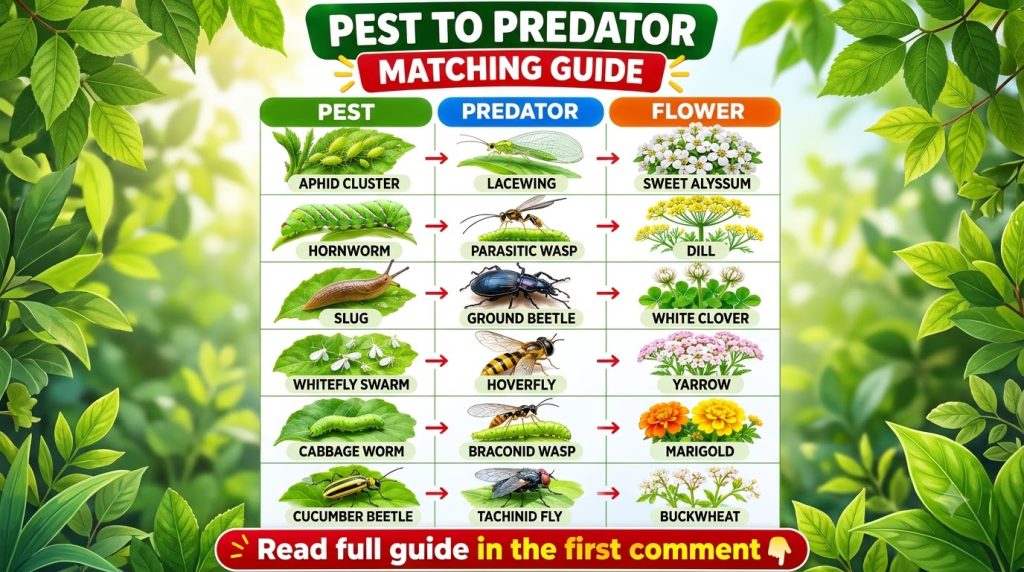
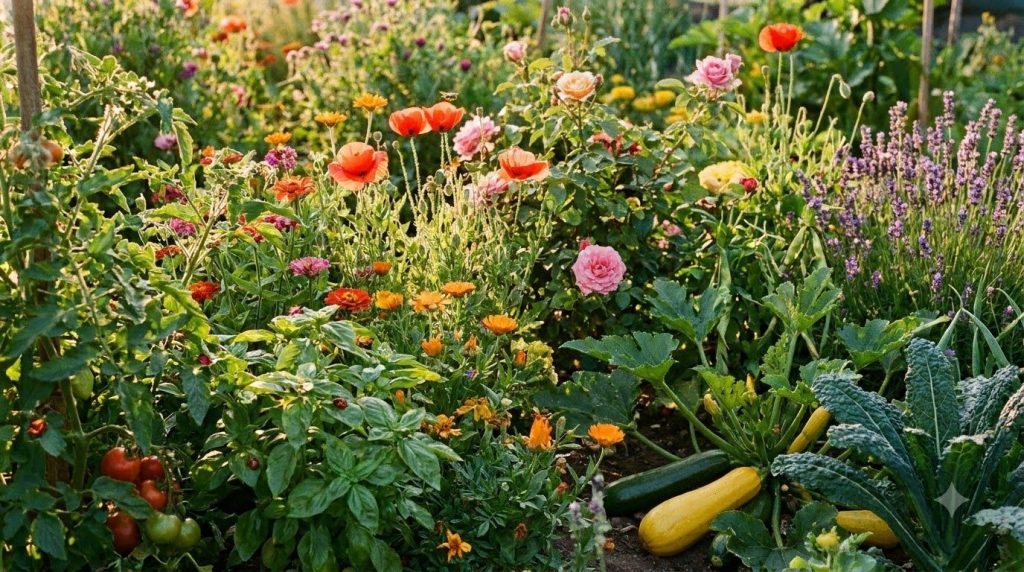
The secret to natural pest control lies in understanding the delicate balance of your garden’s ecosystem. For every pest, there’s often a natural predator ready to keep its population in check. Your role is to create an inviting environment for these helpful insects.
Common Garden Pests and Their Natural Allies
Let’s look at some of the most common garden nuisances and the incredible insects that can help you manage them.
Aphids: The Sap Suckers
- Pest Profile: Small, soft-bodied insects that cluster on new growth, sucking plant sap and causing stunted growth or distorted leaves.
- Natural Predators: Ladybugs (both adults and larvae!), Green Lacewings, Hoverflies.
- Companion Plants to Attract Predators: Plant dill, cilantro, fennel, and marigolds. These flowers provide nectar and pollen for adult beneficial insects, encouraging them to lay eggs nearby.
Spider Mites: Tiny but Destructive
- Pest Profile: Almost invisible to the naked eye, these tiny arachnids cause stippling on leaves and can create fine webbing.
- Natural Predators: Predatory Mites, Ladybugs, Lacewings.
- Companion Plants to Attract Predators: Coriander, chamomile, and anethum (dill) can help attract predatory mites and other beneficials.
Cabbage Worms: Leaf Eaters
- Pest Profile: Green caterpillars that chew holes through the leaves of cabbage, broccoli, kale, and other brassicas.
- Natural Predators: Braconid Wasps (they lay eggs inside the caterpillars!), predatory bugs.
- Companion Plants to Attract Predators: Thyme, mint, and rosemary can deter cabbage worms and attract parasitic wasps.
Whiteflies: The Flitting Pests
- Pest Profile: Small, white, winged insects that fly up in a cloud when disturbed from the undersides of leaves, causing yellowing and wilting.
- Natural Predators: Green Lacewings, Encarsia Formosa (a tiny parasitic wasp), ladybugs.
- Companion Plants to Attract Predators: Calendula, mint, and marigolds can help attract natural enemies.
Hornworms: Tomato Terror
- Pest Profile: Large green caterpillars with a horn on their rear, notorious for rapidly defoliating tomato, pepper, and potato plants.
- Natural Predators: Braconid Wasps (you might see their white cocoons on the hornworm’s back!), parasitic flies.
- Companion Plants to Attract Predators: Plant borage, dill, and calendula near your tomatoes to attract beneficial wasps.
How to Attract Beneficial Insects to Your Garden
Beyond specific companion plants, here are general strategies to make your garden irresistible to pest-eating heroes:
- Provide a Diverse Habitat: Plant a variety of flowers, herbs, and vegetables. Different beneficial insects are attracted to different plants and require diverse food sources (pollen, nectar) and shelter.
- Offer Water: A shallow dish of water with stones for landing spots can be a lifesaver for beneficial insects, especially during dry spells.
- Avoid Pesticides: Even organic pesticides can harm beneficial insects. Use them as a last resort and target applications carefully.
- Leave Some ‘Wild’ Areas: A small patch of undisturbed native plants or weeds can provide important shelter and breeding grounds for beneficials.
- Think About Timing: Plant flowers that bloom at different times of the year to ensure a continuous food source for beneficial insects.
Maintaining a Healthy, Pest-Resistant Garden
Prevention is always the best cure. A healthy garden is naturally more resistant to pests:
- Healthy Soil: Amend your soil with compost and organic matter to ensure strong plant growth.
- Proper Watering: Water deeply and consistently, but avoid overwatering, which can lead to root rot and weak plants.
- Good Air Circulation: Space your plants adequately to allow for good airflow, reducing fungal diseases and making it harder for pests to hide.
- Crop Rotation: Rotate your crops each season to prevent pests specific to certain plants from building up in the soil.
- Regular Scouting: Inspect your plants regularly for early signs of pests. Catching them early makes control much easier.
Embrace Nature’s Helpers!
Shifting to natural pest control might take a little patience and observation, but the rewards are immense. You’ll cultivate a thriving, resilient garden that buzzes with life, free from harmful chemicals, and a true testament to the power of nature. So go ahead, plant those beneficial-attracting flowers, observe the amazing world of insects, and enjoy your beautiful, naturally protected garden!