Hello, fellow garden enthusiasts! Are you dreaming of a fuller, more vibrant garden without breaking the bank? What if we told you there’s a simple, natural way to get more plants for free? It’s true! This fall, you can unlock a gardener’s secret: dividing your perennials. It’s an easy technique that not only gives you new plants but also helps your existing ones thrive.
Autumn is the perfect time to get your hands dirty and rejuvenate your perennial beds. With cooler temperatures and fewer demands on plant energy, it’s the ideal window for giving your beloved plants a fresh start. Let’s dive into how you can multiply your garden’s beauty and health this season!
Why Divide Perennials? The Benefits Are Abundant!
Dividing perennials might sound intimidating if you’re new to it, but the advantages are well worth the effort. Think of it as a natural pruning for the underground part of your plants. Here’s why you should consider it:
- Healthier Plants: Over time, many perennials become overcrowded, leading to reduced vigor, fewer flowers, and even dead centers. Division gives them more space and access to nutrients, leading to healthier growth.
- More Blooms: A rejuvenated plant is a happy plant, and happy plants produce more flowers! By alleviating congestion, you encourage robust blooming.
- Free Plants: This is arguably the biggest perk! Each division can be replanted to create a new plant, allowing you to fill out your existing garden, start new beds, or share with friends and family, all for free.
- Rejuvenation: It helps prolong the life of your perennial plants, giving them a fresh start and preventing them from declining due to overcrowding.
When to Divide Perennials: Fall is Your Friend!
While some perennials are best divided in the spring, fall offers ideal conditions for many common varieties, especially those that bloom in spring or summer. Dividing in the fall allows the plant’s root system to establish itself in the cooler soil before the stress of summer heat or the demands of spring blooming. The cooler air and increased rainfall reduce transplant shock, giving your divisions a better chance of success.
Key Indicators It’s Time to Divide:
- Reduced flowering or smaller blooms.
- Dead or sparse centers in the plant clump.
- Overcrowding, with plants encroaching on their neighbors.
- Plants that are simply too large for their space.
How to Divide Perennials: A Simple Step-by-Step Guide
Ready to get started? Here’s how to successfully divide your perennials:
1. Gather Your Tools
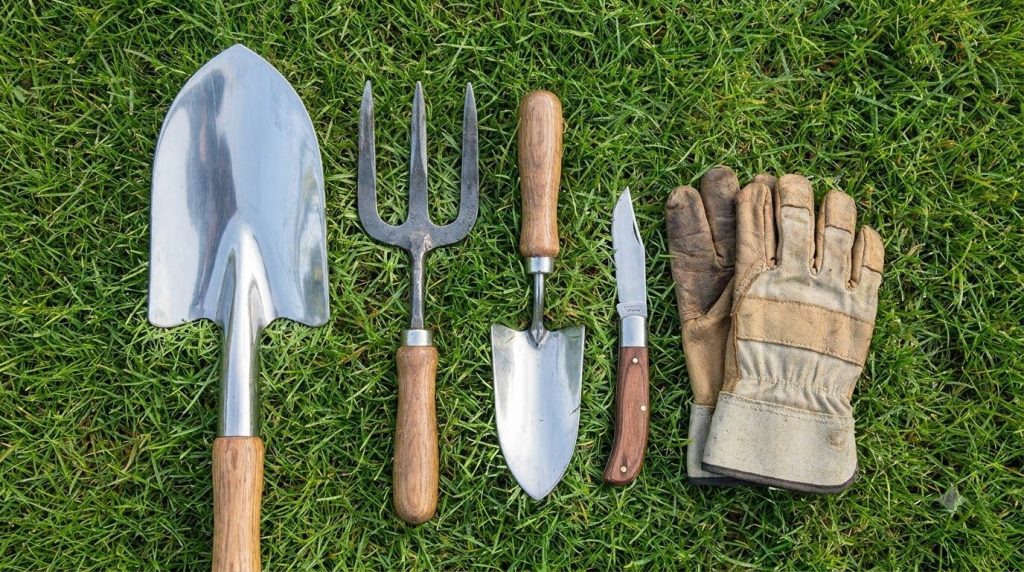
You’ll need a sharp spade or garden fork, a sturdy trowel, a sharp knife or hand saw (for woody root masses), a bucket of water, and some fresh compost or good quality potting mix. Gloves are also a good idea!
2. Prepare the Plant
Water the plant thoroughly a day or two before you plan to divide it. This helps reduce stress and makes it easier to dig. If the plant is very tall or dense, you might want to cut back the foliage to about 6-12 inches (15-30 cm) to make it more manageable.
3. Dig Up the Clump
Carefully dig around the entire plant clump, at least 6-12 inches away from the base, depending on the plant’s size. Try to get as much of the root ball as possible. Once loosened, gently pry the plant out of the ground.
4. Dividing the Roots
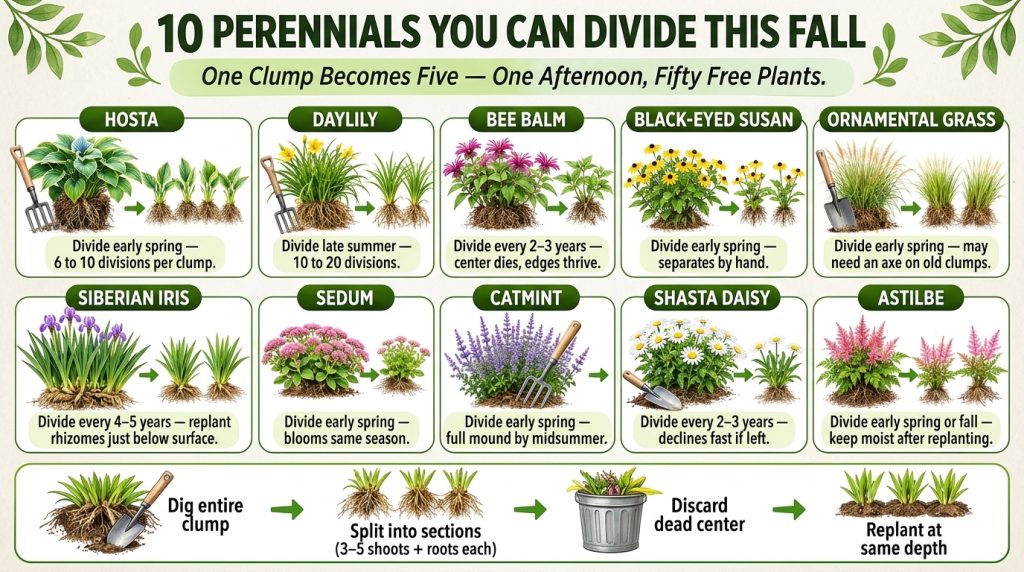
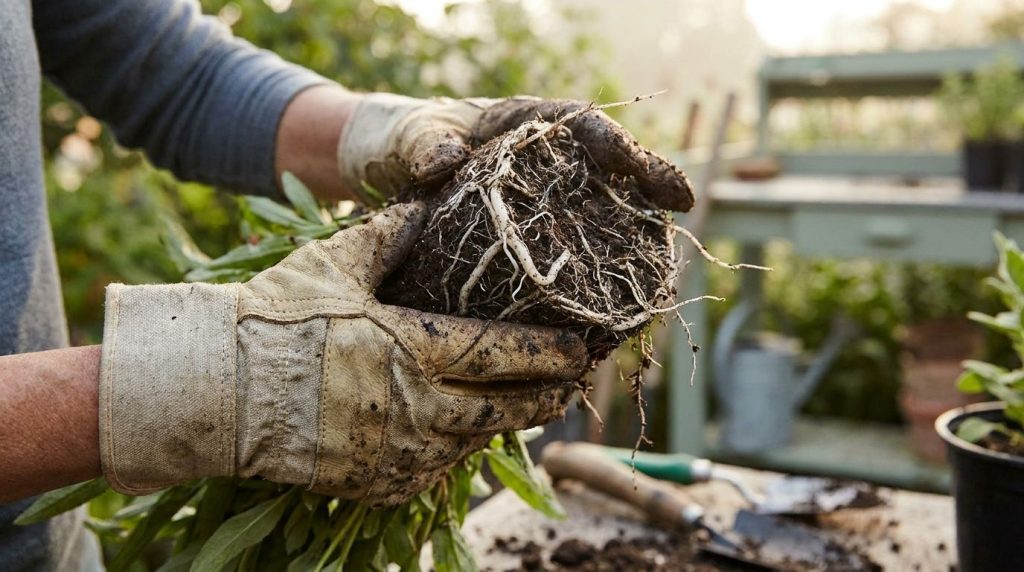
This is where the magic happens! Knock off excess soil to expose the root system. For fibrous-rooted plants (like hostas or daylilies), you can often gently pull the clump apart with your hands. For denser or woody root masses (like some ornamental grasses or coneflowers), you might need to use your spade, a garden fork, or a sharp knife to cut through the roots. Ensure each division has a good amount of roots and at least one to three ‘eyes’ (growth points).
5. Replanting the Divisions
Prepare new planting holes by amending the soil with compost. Plant your new divisions at the same depth they were previously growing. Water them thoroughly after planting to settle the soil around the roots.
6. Aftercare
Keep the newly planted divisions well-watered, especially during any dry spells, until the ground freezes. A light layer of mulch can help conserve moisture and protect the roots through winter.
10 Perennials You Can Easily Divide This Fall
Many popular garden plants respond beautifully to fall division. Here are just a few examples that are generally easy to divide and thrive:
- Hostas
- Daylilies
- Irises
- Coneflowers (Echinacea)
- Sedum (Autumn Joy)
- Shasta Daisies
- Peonies (though these can be a bit more finicky, fall is the time)
- Lenten Rose (Hellebore)
- Bleeding Hearts
- Ornamental Grasses (like Miscanthus)
Always check specific care instructions for your particular plants, as some may prefer spring division.
Tips for Success
- Don’t Be Afraid: It might feel like you’re hurting the plant, but perennials are surprisingly resilient!
- Water, Water, Water: Consistent watering before and after division is crucial for recovery.
- Don’t Plant Too Deep: Ensure the crown of the plant (where stems meet roots) is at soil level.
- Share the Wealth: If you have more divisions than you need, consider gifting them to fellow gardeners!
Dividing perennials is a rewarding gardening task that offers a fantastic return on your investment of time. Not only will you ensure the health and longevity of your favorite plants, but you’ll also gain beautiful new additions to your garden, absolutely free! So grab your spade and get ready to multiply the joy in your garden this fall. Happy dividing!