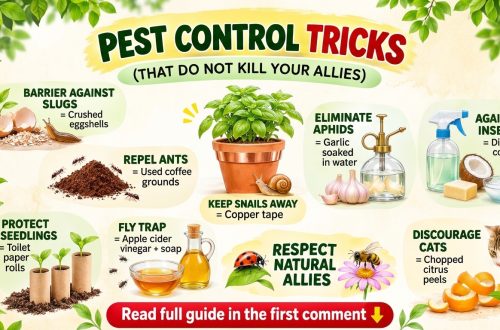
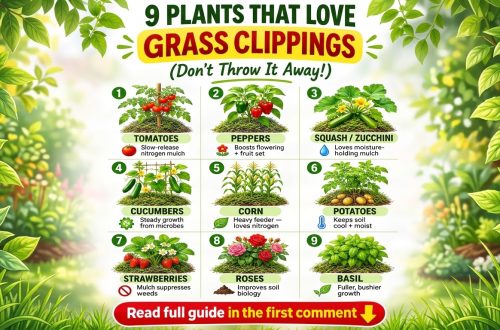
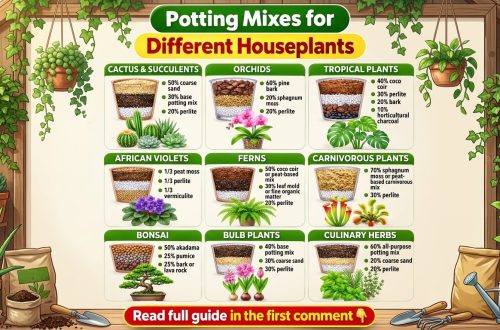
Every gardener knows the disheartening feeling: you’ve nurtured your plants with love and care, only to discover unwelcome guests munching on leaves, tunneling through roots, or simply setting up shop. Garden pests can be a real headache, leading to damaged crops and stressed-out gardeners. But before you reach for harsh chemicals, what if we told you that some of the most effective, natural pest control solutions are probably sitting in your kitchen pantry right now?
At Garden – L. Quyên, we’re all about empowering you to grow healthy, vibrant plants in the most natural way possible. Today, we’re diving into the wonderful world of organic pest control using common household items. Get ready to transform your pantry staples into mighty garden defenders!
The Power of Natural Pest Control
Opting for natural pest control methods isn’t just about protecting your plants; it’s about safeguarding the environment, beneficial insects, and your family’s health. Chemical pesticides can harm pollinators, contaminate soil and water, and even pose risks to humans and pets. Natural alternatives, on the other hand, often work by deterring pests, disrupting their life cycles, or acting as gentle repellents, without leaving harmful residues.
DIY Garlic Spray: Your Garden’s Secret Weapon
One of the most potent and versatile natural pest deterrents you can make at home is garlic spray. Garlic’s strong odor and sulfur compounds are highly effective at repelling a wide range of common garden pests, including aphids, spider mites, cabbage worms, and even some larger critters.
How to Make and Use Natural Garlic Spray:
- Ingredients:
- 1 whole head of garlic (about 10-12 cloves), peeled
- 1/2 cup water
- 1 teaspoon liquid dish soap (mild, biodegradable is best)
- 1 gallon water (for dilution)
- Instructions:
- Prepare the Garlic: Mince or finely chop the peeled garlic cloves. You can also crush them using a garlic press.
- Blend: Place the minced garlic and 1/2 cup of water into a blender. Blend until a smooth paste forms.
- Steep: Pour the garlic mixture into a jar or bowl, cover it, and let it sit for at least 12-24 hours. This allows the compounds to infuse into the water.
- Strain: Strain the garlic concentrate through a fine-mesh sieve or cheesecloth, pressing out all the liquid. Discard the garlic solids.
- Dilute and Add Soap: In a gallon-sized container or sprayer, combine the strained garlic concentrate with 1 gallon of water. Add 1 teaspoon of liquid dish soap. The soap acts as an emulsifier, helping the spray stick to plant leaves and pest bodies.
- Apply: Pour the diluted mixture into a spray bottle. Spray affected plants thoroughly, ensuring you cover both the tops and undersides of leaves, where many pests hide. Apply in the early morning or late evening to avoid scorching plants in direct sunlight.
- Frequency: Reapply every 5-7 days, especially after rain, or as needed until the pest problem subsides. Always test on a small part of the plant first to ensure no adverse reaction.
More Pantry Power for Pest Problems
Beyond garlic, your pantry is full of other surprisingly effective pest solutions:
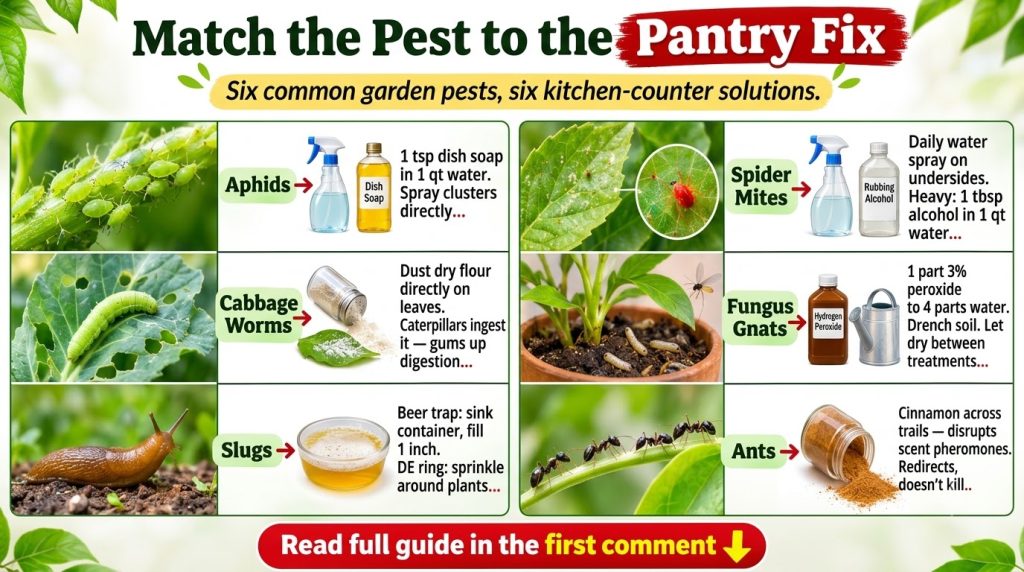
1. Dish Soap Spray for Aphids and Spider Mites
- The Fix: Mix 1-2 teaspoons of mild liquid dish soap with 1 gallon of water.
- How it Works: The soap breaks down the waxy coating on soft-bodied insects like aphids and spider mites, dehydrating them.
- Application: Spray directly onto pests, ensuring good coverage. Reapply every few days.
2. Beer Traps for Slugs and Snails
- The Fix: Fill shallow dishes (like tuna cans) with beer and sink them into the soil so the rim is level with the ground.
- How it Works: Slugs and snails are attracted to the yeast in beer, crawl in, and drown.
- Application: Place several traps around affected areas in the evening. Check and empty them daily.
3. Flour or Cornmeal for Cabbage Worms
- The Fix: Lightly dust cabbage, broccoli, and kale leaves with all-purpose flour or cornmeal.
- How it Works: When cabbage worms ingest the flour/cornmeal, it causes digestive issues and they eventually stop feeding.
- Application: Apply when leaves are dry. Reapply after rain or heavy dew.
4. Apple Cider Vinegar Traps for Fungus Gnats
- The Fix: Mix equal parts apple cider vinegar, water, and a few drops of dish soap in a shallow bowl.
- How it Works: Fungus gnats are drawn to the fermenting smell of the vinegar, and the soap breaks the surface tension, causing them to drown.
- Application: Place bowls near affected plants, especially indoor plants.
5. Cinnamon Barriers for Ants
- The Fix: Sprinkle ground cinnamon around the base of plants or along ant trails.
- How it Works: Ants dislike the strong scent of cinnamon and will avoid crossing lines of it.
- Application: Create a barrier where ants are entering your garden or approaching plants. Reapply after watering.
General Tips for a Pest-Resistant Garden
- Healthy Plants: Strong, healthy plants are naturally more resistant to pests. Ensure good soil health, proper watering, and adequate sunlight.
- Companion Planting: Grow plants together that benefit each other. For example, marigolds repel nematodes, and basil can deter flies and mosquitoes.
- Regular Inspection: Catch pest problems early by regularly checking your plants, especially the undersides of leaves.
- Encourage Beneficial Insects: Attract ladybugs, lacewings, and parasitic wasps by planting flowers like dill, fennel, and cosmos. These beneficial insects prey on common garden pests.
- Crop Rotation: Rotate your crops each season to prevent pest populations from building up in the soil.
- Good Garden Hygiene: Remove diseased plant material and fallen leaves promptly to eliminate hiding spots for pests.
Embrace Your Inner Organic Gardener!
Dealing with garden pests doesn’t have to be a battle fought with harsh chemicals. With a little creativity and a trip to your pantry, you can create a thriving, healthy garden using natural, eco-friendly methods. Not only will your plants thank you, but so will the beneficial insects and the environment!
Have you tried any of these pantry fixes? Or do you have another go-to natural pest control secret? Share your wisdom in the comments below! Happy gardening from Garden – L. Quyên!