Regrow Your Garden Greens: Get Endless Harvests from Kitchen Scraps!
Imagine having a constant supply of fresh, homegrown vegetables without ever having to buy new seeds or starter plants. Sound like a dream? Well, it’s not! With a little knowledge and a few kitchen scraps, you can regrow many common vegetables right on your windowsill or in your garden. This sustainable gardening trick is not only incredibly satisfying but also a fantastic way to reduce waste and enjoy fresh produce.
Whether you’re a seasoned gardener or just starting, regrowing vegetables is an easy, low-cost project that yields delicious results. Let’s dive into the wonderful world of perpetual harvests!
The Magic of Regrowing Vegetables
Regrowing vegetables is a truly magical process rooted in the plant’s ability to regenerate. Many vegetables, especially those with a sturdy base or root structure, store enough energy and nutrients to sprout new growth when placed in the right conditions. This practice offers a plethora of benefits:
- Sustainability: Reduce food waste by giving discarded parts a second life.
- Cost-Saving: Get more harvests from a single purchase, saving money on groceries.
- Freshness: Enjoy ultra-fresh greens picked right from your home.
- Educational Fun: It’s a fantastic project for all ages, teaching about plant life cycles.
- Year-Round Supply: Many can be regrown indoors, providing fresh greens even in winter.
Lettuce: Your Easiest Regrowth Project
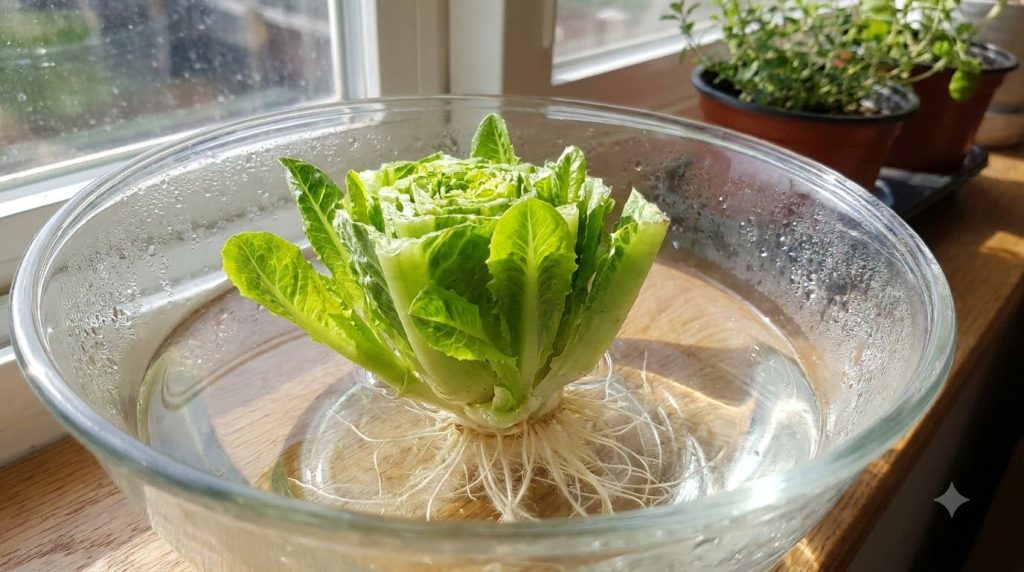
Let’s start with one of the simplest and most rewarding vegetables to regrow: lettuce! Whether it’s romaine, butter lettuce, or even certain types of cabbage, the process is straightforward.
How to Regrow Lettuce Step-by-Step:
- Choose Your Lettuce: Select a head of lettuce with a healthy, intact base.
- Prepare the Base: After harvesting the leaves for your salad, cut about one to two inches from the bottom of the stem. Make sure the very bottom part, where the roots would typically emerge, is still present.
- Water Method: Place the cut base in a shallow bowl or saucer with about half an inch of water. Ensure the water covers the bottom but doesn’t submerge the entire base.
- Find a Sunny Spot: Place your bowl on a sunny windowsill or under a grow light.
- Change Water Daily: Replace the water every day to prevent mold and provide fresh nutrients.
- Watch it Grow: Within a few days, you’ll notice small roots appearing from the bottom and tiny leaves sprouting from the center.
- Harvest or Transplant: Once the new leaves are a few inches tall, you can harvest them for a small snack. For a more substantial, longer-lasting harvest, you can transplant the lettuce base into a pot with soil once it has developed a good root system.
Beyond Lettuce: Other Easy-to-Regrow Veggies
Once you’ve mastered lettuce, you’ll be excited to try other kitchen scraps. Here are a few more popular options:
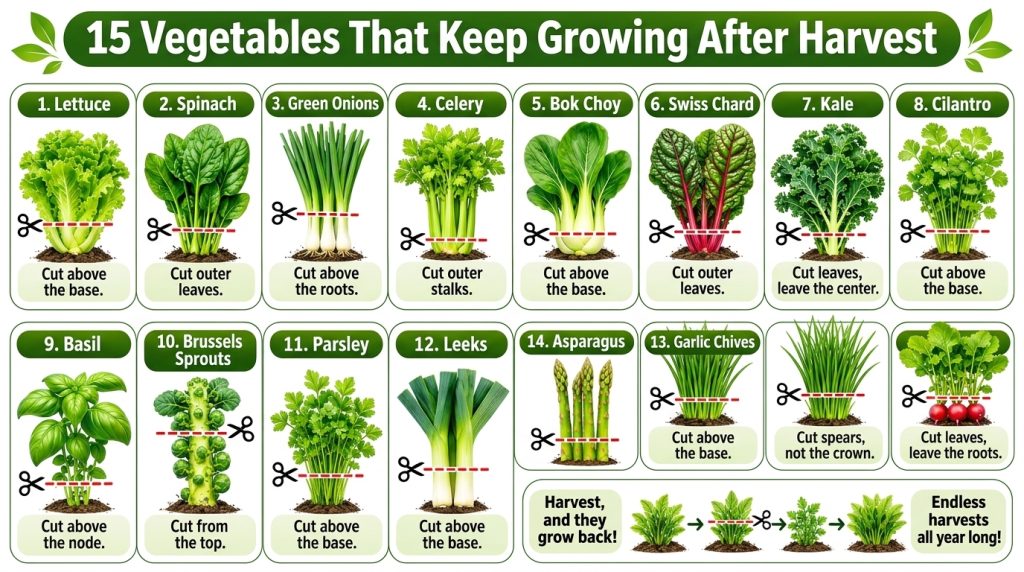
- Celery: Cut the bottom 2 inches off a celery stalk. Place it in a shallow bowl of water in a sunny spot. New shoots will emerge from the center. Once roots develop, transplant into soil.
- Green Onions/Scallions: Leave about an inch of the white part of the green onion with the roots attached. Place them root-end down in a small glass of water. They will regrow very quickly! You can harvest them repeatedly.
- Bok Choy: Similar to lettuce and celery, cut off the base and place it in water. New leaves will grow from the center.
- Garlic: If you have a garlic clove that has started to sprout green shoots, you can plant it directly into a pot of soil. The shoots will grow into green garlic, which tastes like a milder version of garlic and chives.
- Ginger: Take a small piece of ginger root with an “eye” (a small bump that looks like it could sprout). Plant it just below the surface in moist potting soil, eye pointing upwards. Keep it warm and wait for shoots!
Tips for Regrowth Success
To maximize your chances of success and enjoy continuous harvests, keep these tips in mind:
- Good Light: Most regrowing vegetables need plenty of sunlight, at least 6 hours a day. A south-facing window is ideal, or use a grow light if natural light is insufficient.
- Fresh Water: For water-based regrowth, change the water daily to prevent stagnation and the growth of harmful bacteria or mold.
- Patience: While some veggies like green onions grow fast, others like celery or lettuce might take a bit longer to show significant new growth.
- Quality Scraps: Use healthy, organic, or pesticide-free vegetable scraps whenever possible to ensure the best regrowth.
- Soil for Longevity: While water is great for initial sprouting, transplanting into soil offers plants more nutrients and space for long-term growth and larger harvests.
Start Your Perpetual Garden Today!
Regrowing your garden greens from kitchen scraps is a rewarding journey that connects you more deeply with your food and promotes a more sustainable lifestyle. It’s an accessible project for anyone, regardless of gardening experience. So, the next time you’re about to toss those veggie ends, think twice! You might just be throwing away the beginning of your next fresh harvest. Give it a try and transform your kitchen into a miniature farm!