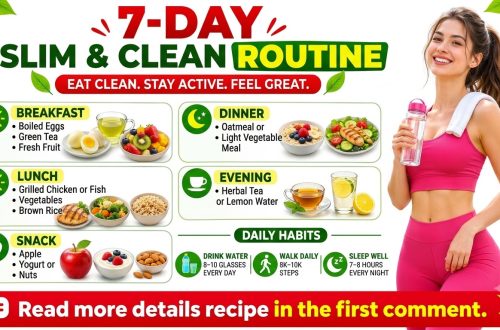
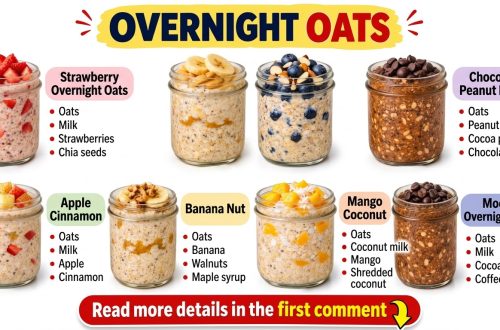
When it comes to fat loss, many people mistakenly believe it’s all about severe restriction and feeling hungry all the time. However, the truth is far more empowering: sustainable fat loss is about fueling your body intelligently with the right nutrients to keep you full, energized, and thriving!
At Wellness Daily, we understand that achieving your health goals should feel good, not depriving. That’s why we’re focusing on a simple, effective approach: prioritizing high-protein meals and plenty of nutrient-dense vegetables. This strategy supports your body’s needs, helps manage hunger, and makes healthy eating a satisfying and enjoyable journey.
Why Protein and Vegetables are Your Best Allies
Protein and vegetables are often highlighted in healthy eating guides for good reason. They are powerhouses that significantly contribute to successful fat loss without the need for extreme measures.
The Power of Protein
- Satiety and Fullness: Protein is renowned for its ability to keep you feeling full for longer. When you consume enough protein, your body releases hormones that signal satiety, reducing overall calorie intake naturally.
- Muscle Preservation: As you aim for fat loss, it’s crucial to preserve your lean muscle mass. Protein is essential for muscle repair and growth, ensuring that the weight you lose is primarily fat, not muscle.
- Thermogenic Effect: Your body uses more energy to digest and metabolize protein compared to fats or carbohydrates. This ‘thermic effect of food’ slightly boosts your calorie expenditure.
The Benefits of Abundant Vegetables
- Nutrient Density: Vegetables are packed with vitamins, minerals, and antioxidants vital for overall health, often with very few calories.
- Fiber Content: High in dietary fiber, vegetables aid digestion, promote regularity, and contribute to feelings of fullness, much like protein.
- Volume and Variety: You can eat a large volume of vegetables without consuming excessive calories, making your meals satisfying and visually appealing. Their diverse flavors and textures also prevent mealtime boredom.
Building Your Simple Fat Loss Meal Plan
Here’s how you can incorporate these principles into a practical, easy-to-follow meal plan:
1. Prioritize Protein at Every Meal
Aim for a palm-sized portion of lean protein with each main meal and snacks. Good sources include:
- Chicken breast, turkey, lean beef
- Fish (salmon, tuna, cod)
- Eggs
- Legumes (lentils, chickpeas, beans)
- Tofu, tempeh
- Greek yogurt, cottage cheese
2. Load Up on Non-Starchy Vegetables
Fill at least half of your plate with a variety of colorful vegetables. Think beyond salads:
- Broccoli, spinach, kale
- Bell peppers, zucchini, green beans
- Cauliflower, Brussels sprouts
- Asparagus, mushrooms
3. Choose Whole Grains and Healthy Fats Mindfully
While the focus is on protein and vegetables, healthy carbohydrates and fats are also essential for energy and nutrient absorption. Consume them in moderation:
- Whole Grains: Quinoa, brown rice, oats, whole-wheat bread (small portions).
- Healthy Fats: Avocado, nuts, seeds, olive oil (small amounts for flavor and satiety).
4. Stay Hydrated
Drinking plenty of water throughout the day is crucial for metabolism, satiety, and overall bodily functions. Sometimes, thirst can be mistaken for hunger, leading to unnecessary snacking.
5. Plan Ahead
Meal prepping even a few meals or components can save you time and help you stick to your plan during busy days. Cook a batch of chicken or chop vegetables in advance.
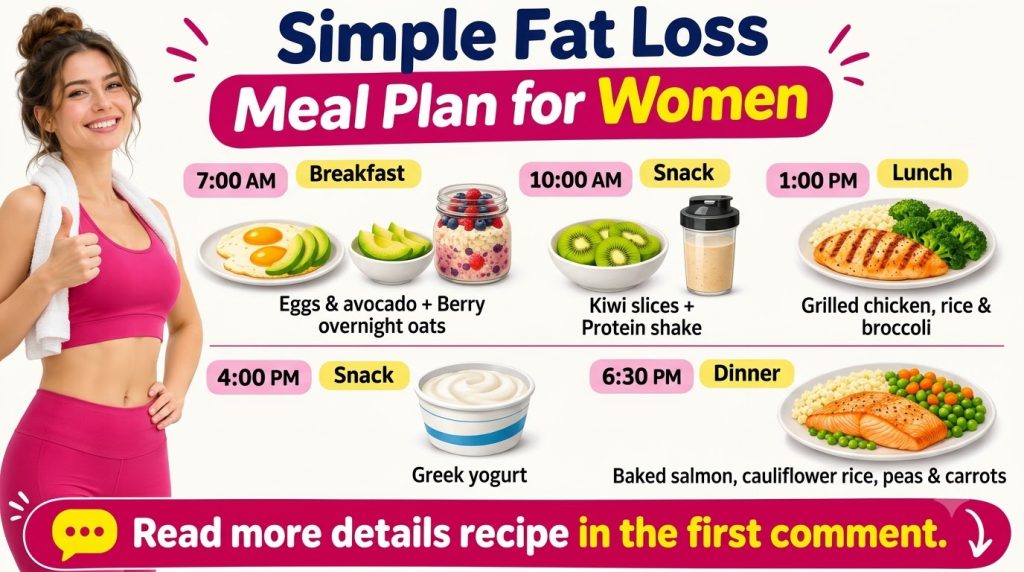
Example Day: Simple Fat Loss Meal Plan
Here’s what a day of eating could look like:
- Breakfast: Scrambled eggs with spinach and bell peppers, topped with a sprinkle of cheese.
- Lunch: Large salad with grilled chicken or chickpeas, mixed greens, cucumber, tomatoes, and a light vinaigrette.
- Snack: Greek yogurt with a few berries or a handful of almonds.
- Dinner: Baked salmon with a generous side of steamed broccoli and quinoa.
Remember, this is a template, and you should adjust portion sizes and food choices to fit your individual needs and preferences. The key is consistency and making choices that feel good to your body.
Embrace a Sustainable Approach
Fat loss doesn’t have to be complicated or a source of stress. By focusing on whole, unprocessed foods, prioritizing protein and vegetables, and listening to your body, you can create a sustainable eating pattern that supports your goals. This approach fosters a healthier relationship with food and helps you build lasting habits for a vibrant life.
Please remember, the information provided here is for educational purposes only and is not a substitute for professional medical advice or treatment. Always consult with a healthcare professional or registered dietitian before making significant changes to your diet or fitness routine.