When it comes to fueling your body with wholesome grains, oats and quinoa are often at the top of the list. Both are celebrated for their nutritional benefits, versatility in the kitchen, and ability to contribute to a balanced diet. But if you’re specifically looking to boost your protein intake, you might wonder: which one truly takes the lead?
This article dives deep into the nutritional profiles of oats and quinoa, focusing on their protein content, along with other key nutrients. We’ll explore their unique benefits, how they fit into a healthy lifestyle, and help you decide which grain might be the best choice for your dietary goals. Get ready to uncover the truth behind these two supergrains!
Nutrition Comparison: Oats vs. Quinoa (Per 100g Cooked)
To provide a fair comparison, we’ll look at the nutritional values of oats and quinoa in their cooked forms, as this is how they are typically consumed. It’s important to note that the protein content of dry grains changes significantly once cooked due to water absorption.
| Nutrient (per 100g cooked) | Oats (Rolled, cooked with water) | Quinoa (Cooked) |
|---|---|---|
| Calories | ~70 kcal | ~120 kcal |
| Protein | ~2.5-3 grams | ~4.5-5 grams |
| Carbohydrates | ~12-15 grams | ~21 grams |
| Fiber | ~1.5-2 grams | ~2.8 grams |
| Fat | ~1.5 grams | ~2 grams |
| Main Nutrients | Manganese, Phosphorus, Magnesium, Iron, Zinc, B Vitamins | Manganese, Phosphorus, Magnesium, Folate, Copper, Iron, Zinc, B Vitamins, all 9 essential amino acids |
| Best Benefit | Heart health, sustained energy, digestive regularity | Complete protein, blood sugar regulation, gluten-free |
As the table shows, when compared per 100 grams in their cooked form, quinoa generally provides more protein and fiber than oats. Quinoa is also unique among plant foods for being a complete protein, meaning it contains all nine essential amino acids that your body cannot produce on its own.
Protein Power: A Closer Look
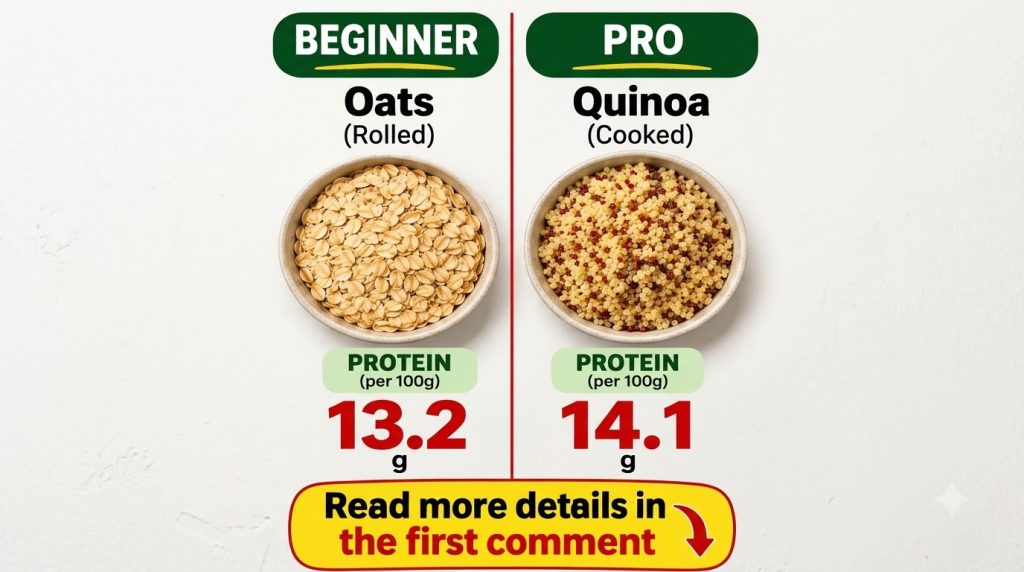
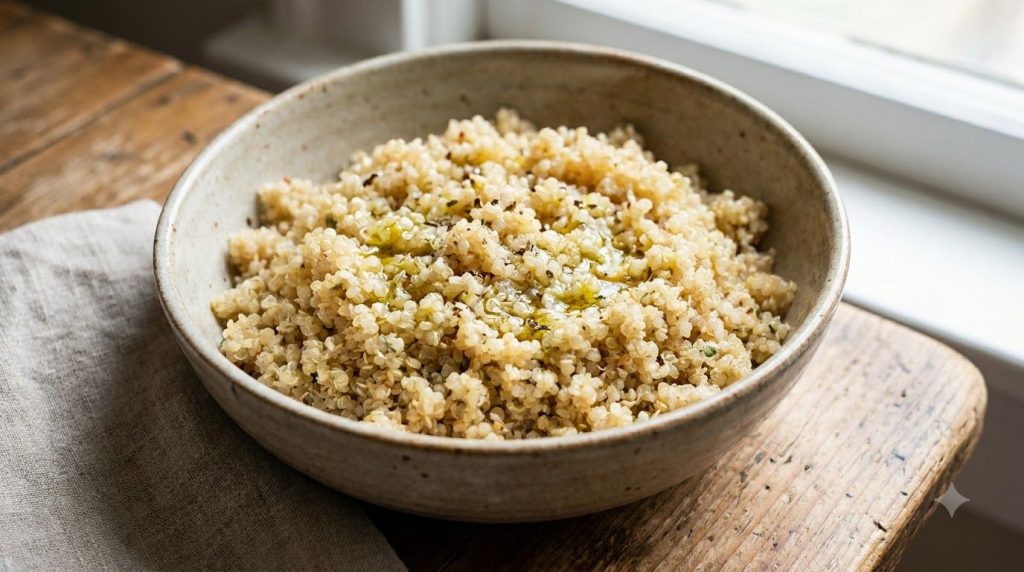
While the image might suggest dry oats have a higher protein content than cooked quinoa, when both grains are prepared for eating, quinoa typically offers more protein per serving size by weight. A 100-gram serving of cooked quinoa can provide around 4.5-5 grams of protein, while the same amount of cooked oats provides about 2.5-3 grams.
However, many people consume a larger portion of oats for breakfast (e.g., half a cup dry, yielding a larger cooked portion) which can sum up to a significant protein intake, especially when paired with milk or protein powder.
Calories and Energy
Quinoa tends to be slightly higher in calories per 100g cooked than oats. This is primarily due to its higher carbohydrate and protein content. Both grains offer sustained energy release, making them excellent choices for breakfast or pre-workout meals.
Carbohydrates and Fiber
Both oats and quinoa are excellent sources of complex carbohydrates, which are vital for energy. Quinoa has a higher carbohydrate content per 100g cooked. They also both contain dietary fiber, crucial for digestive health and satiety. Quinoa edges out oats slightly in fiber content per 100g cooked.
Fats
Both grains are low in fat, with most of it being healthy unsaturated fats. Quinoa has slightly more fat, but it’s primarily heart-healthy polyunsaturated fatty acids.
Vitamins and Minerals
Oats are a good source of manganese, phosphorus, magnesium, iron, zinc, and B vitamins. They are particularly known for their beta-glucans, a type of soluble fiber beneficial for heart health.
Quinoa is a powerhouse of minerals, offering manganese, phosphorus, magnesium, folate, copper, iron, and zinc. It also contains several B vitamins and vitamin E. Its comprehensive micronutrient profile makes it a nutrient-dense choice.
Taste and Texture
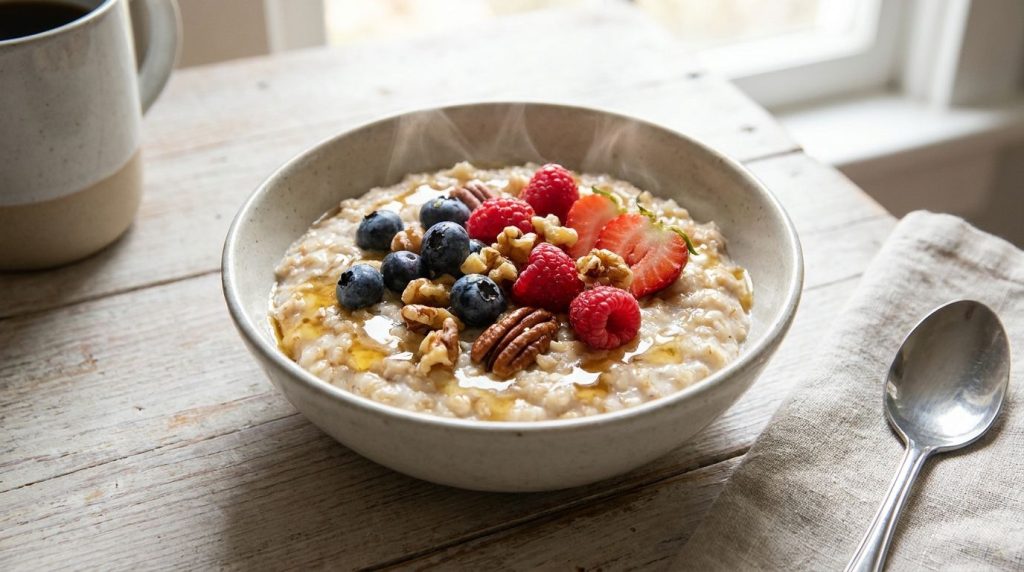
Oats: Known for their creamy, comforting texture when cooked, especially rolled or steel-cut oats. They have a mild, slightly nutty flavor that easily adapts to sweet or savory preparations.
Quinoa: Offers a unique, slightly chewy texture and a subtle, earthy, nutty flavor. When cooked properly, it’s light and fluffy, and its small grains can pop. It’s often used as a rice substitute or in salads.
Best For
Oats: Excellent for breakfast porridge, overnight oats, baking (cookies, muffins), and as a binder in meatballs or burgers. Ideal for those seeking sustained energy, heart health benefits, and a budget-friendly option.
Quinoa: Perfect as a side dish, in salads, as a base for grain bowls, in stuffed vegetables, or even in breakfast porridges. Great for individuals looking for a complete plant-based protein, those following a gluten-free diet, or anyone wanting a nutrient-dense alternative to rice.
The Verdict: Which Grain Wins?
When it comes to pure protein content per 100 grams of cooked grain, quinoa takes the lead. It also stands out as a complete protein, offering all essential amino acids. However, this doesn’t mean oats are inferior. Oats are still a fantastic source of plant-based protein, especially when consumed in typical breakfast portions and complemented with other protein sources. Both are incredibly healthy and offer unique benefits.
Practical Tips for Enjoying Both Grains
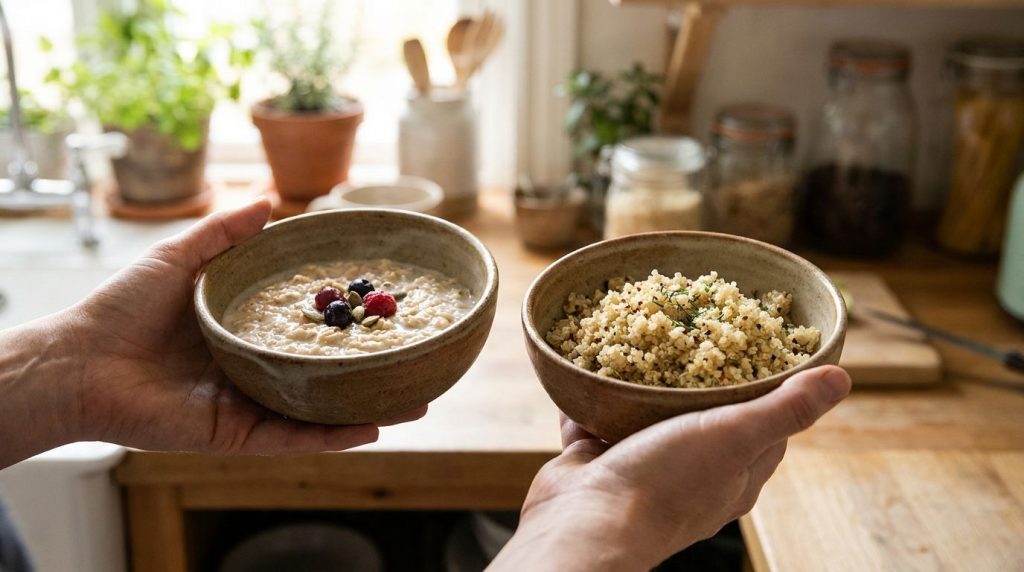
- Vary your grains: Don’t limit yourself to just one! Incorporating both oats and quinoa into your diet ensures a wider range of nutrients.
- Boost protein in oats: Add nuts, seeds (chia, flax, hemp), Greek yogurt, or protein powder to your oatmeal for an extra protein punch.
- Flavor your quinoa: Cook quinoa in vegetable broth instead of water for added flavor. Stir in roasted vegetables, herbs, or a squeeze of lemon juice.
- Meal prep: Cook a big batch of quinoa or overnight oats at the beginning of the week for quick and healthy meals or snacks.
- Sweet or savory: Both grains are versatile. Enjoy oatmeal with fruit and cinnamon, or make savory oatmeal with an egg and vegetables. Use quinoa in sweet breakfast bowls or savory stir-fries.
FAQs
Is quinoa better than oats for weight loss?
Both can support weight loss due to their fiber content, which promotes satiety. Quinoa’s higher protein content may offer a slight edge in reducing appetite, but both are excellent choices as part of a balanced diet.
Can I eat oats and quinoa every day?
Yes, both oats and quinoa can be safely incorporated into your daily diet. They offer diverse nutrients and can contribute to overall health. It’s great to vary your whole grains to get a broad spectrum of benefits.
Are oats or quinoa better for diabetics?
Both have a relatively low glycemic index, which is beneficial for blood sugar management. Quinoa’s complete protein and fiber content may help prevent blood sugar spikes. Consult your doctor or a dietitian for personalized advice.
Do oats or quinoa contain gluten?
Quinoa is naturally gluten-free, making it an excellent choice for individuals with celiac disease or gluten sensitivity. Oats are naturally gluten-free but can sometimes be cross-contaminated during processing. Look for certified gluten-free oats if you have a sensitivity.
What’s the best way to cook quinoa?
Rinse quinoa thoroughly before cooking. Use a 1:2 ratio of quinoa to water (or broth). Bring to a boil, then reduce heat to low, cover, and simmer for 15 minutes or until all water is absorbed and the quinoa is fluffy.
Can I make overnight quinoa like overnight oats?
Yes, you can! Combine 1/2 cup cooked quinoa with 1/2 cup milk (dairy or non-dairy), 1 tablespoon chia seeds, and any desired flavorings (fruit, sweetener, cinnamon). Refrigerate overnight for a quick breakfast.
Conclusion
Both oats and quinoa are nutritional powerhouses that deserve a place in your healthy diet. While quinoa offers a slightly higher protein content per 100 grams when cooked and is a complete protein, oats remain an excellent source of fiber, vital minerals, and sustained energy. The ‘winner’ truly depends on your specific dietary needs and preferences.
The best approach is to enjoy both grains regularly, harnessing their unique strengths to diversify your nutrient intake and keep your meals exciting. Experiment with different recipes and find your favorite ways to incorporate these versatile ingredients into your daily routine!
This content is for educational purposes only and should not be considered medical advice. Consult a qualified healthcare professional for personalized dietary recommendations.