Maintaining healthy blood pressure is a cornerstone of overall well-being, influencing everything from heart health to energy levels. While diet and lifestyle play significant roles, the beverages we choose can also contribute to our efforts. Incorporating certain drinks into your daily routine can be a simple, enjoyable, and effective way to support healthy blood pressure levels and promote your cardiovascular health. It’s about making slow, consistent habits that yield lasting benefits.
Many popular drinks contain compounds known for their beneficial effects on the circulatory system, from potent antioxidants to natural diuretics and essential minerals. By understanding which drinks offer these advantages, you can make informed choices that nourish your body from the inside out. Let’s explore some of the best drinks for high blood pressure that you can easily integrate into your daily life.
Remember, while these drinks may offer support, they are not a substitute for prescribed medication or professional medical advice. Always consult your healthcare provider before making significant dietary changes, especially if you have a pre-existing health condition.
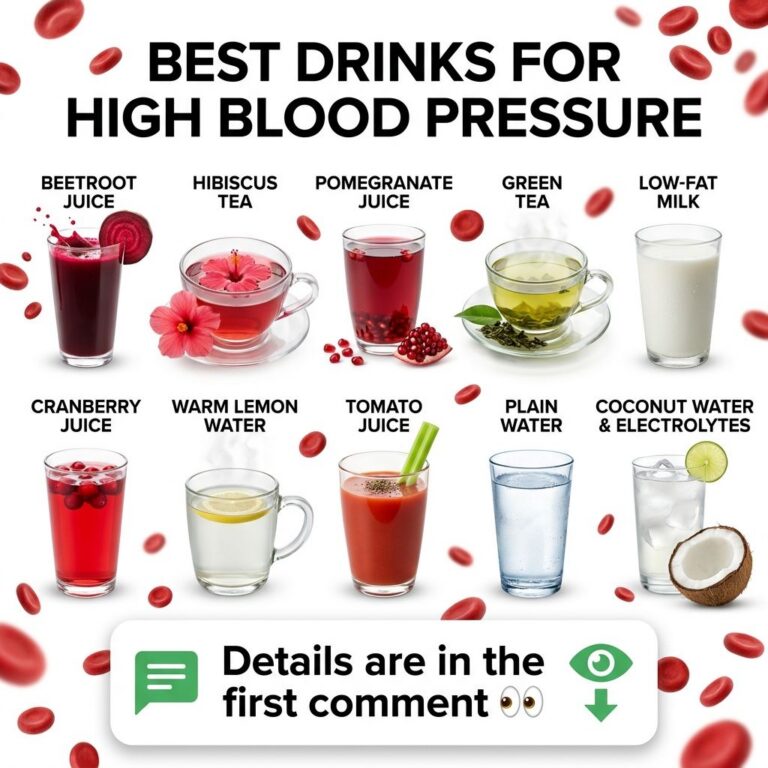
1. Beetroot Juice: The Nitric Oxide Powerhouse
Beetroot juice is often celebrated for its vibrant color and earthy flavor, but its true power lies in its high concentration of nitrates. When consumed, these dietary nitrates are converted into nitric oxide in the body. Nitric oxide is a vasodilator, meaning it helps relax and widen blood vessels, which can lead to improved blood flow and a reduction in blood pressure.
- Why it helps: Promotes vasodilation, improving blood flow.
- Tip: Opt for fresh, unsweetened beetroot juice. You can blend it with other fruits and vegetables to mellow its earthy taste.
2. Hibiscus Tea: A Refreshing Brew for Your Heart
This beautiful, tart tea, made from the dried calyces of the hibiscus plant, has been traditionally used for its medicinal properties. Research suggests that hibiscus tea may have a significant impact on blood pressure dueating to its rich content of anthocyanins and other antioxidants. These compounds may act as natural ACE inhibitors, helping to relax blood vessels.
- Why it helps: Contains antioxidants and may act as a natural ACE inhibitor.
- Tip: Enjoy 1-2 cups of unsweetened hibiscus tea daily, either hot or cold.
3. Pomegranate Juice: An Antioxidant Elixir
Pomegranate juice is packed with powerful antioxidants, including polyphenols, which are known for their anti-inflammatory and cardiovascular benefits. Regular consumption of pomegranate juice may help reduce arterial plaque and lower blood pressure by improving blood vessel function.
- Why it helps: High in antioxidants that support blood vessel health.
- Tip: Choose 100% pure pomegranate juice with no added sugars. A small glass daily can be beneficial.
4. Green Tea: Your Daily Dose of Catechins
Green tea has long been revered for its extensive health benefits, and its role in supporting healthy blood pressure is no exception. Rich in catechins, particularly epigallocatechin gallate (EGCG), green tea can help improve endothelial function (the lining of your blood vessels) and reduce inflammation, contributing to lower blood pressure.
- Why it helps: Catechins improve blood vessel function and reduce inflammation.
- Tip: Make green tea a part of your morning ritual. Avoid adding excessive sugar.
5. Low-Fat Milk: Essential Minerals for Balance
Low-fat milk is a good source of essential minerals like calcium, potassium, and magnesium, all of which play crucial roles in regulating blood pressure. Calcium helps maintain proper muscle contraction, including that of the heart, while potassium and magnesium help balance sodium levels and relax blood vessel walls.
- Why it helps: Provides vital minerals (calcium, potassium, magnesium) for blood pressure regulation.
- Tip: Incorporate low-fat milk into your cereal, smoothies, or enjoy it as a standalone beverage.
6. Cranberry Juice: Protecting Your Vascular System
Unsweetened cranberry juice is known for its urinary tract benefits, but its rich antioxidant profile, including proanthocyanidins, also extends to cardiovascular health. These compounds may help prevent the hardening of arteries and promote healthy blood flow, which can positively impact blood pressure.
- Why it helps: Antioxidants protect arteries and support healthy blood flow.
- Tip: Ensure you choose 100% unsweetened cranberry juice to avoid added sugars, which can counteract benefits.
7. Warm Lemon Water: Simple Hydration Support
Starting your day with warm lemon water is a simple habit with multiple benefits, including supporting healthy blood pressure. While not a direct hypotensive agent, lemons are a good source of vitamin C and potassium, and adequate hydration is crucial for maintaining blood volume and overall circulatory health. Staying well-hydrated helps your kidneys function efficiently, which is important for blood pressure regulation.
- Why it helps: Supports hydration, provides vitamin C and potassium, aids kidney function.
- Tip: Squeeze half a lemon into a glass of warm water each morning.
8. Tomato Juice: Lycopene and Potassium Power
Tomato juice is a fantastic source of lycopene, a powerful antioxidant that has been linked to improved heart health, including blood pressure reduction. It’s also rich in potassium, an electrolyte that helps balance sodium levels in the body, which is essential for managing hypertension.
- Why it helps: High in lycopene and potassium, beneficial for heart and blood pressure.
- Tip: Choose low-sodium or no-salt-added tomato juice to maximize its benefits.
9. Plain Water: The Foundation of Hydration
It might seem obvious, but plain water is arguably the most critical drink for healthy blood pressure. Dehydration can lead to the constriction of blood vessels, making it harder for your heart to pump blood and potentially increasing blood pressure. Adequate water intake ensures proper blood volume and helps your body function optimally.
- Why it helps: Maintains blood volume, supports kidney function, and prevents vessel constriction.
- Tip: Aim for at least 8 glasses of water a day, or more if you’re active or in a warm climate.
10. Coconut Water & Electrolytes: Nature’s Balanced Drink
Coconut water is a natural source of electrolytes, particularly potassium and magnesium, which are vital for maintaining fluid balance and muscle function, including that of the heart. These electrolytes can help counteract the effects of sodium in the body and contribute to lowering blood pressure.
- Why it helps: Provides potassium and magnesium to balance sodium and support heart health.
- Tip: Opt for pure, unsweetened coconut water. It’s a great post-workout rehydration drink.
Final Thoughts
Incorporating these beneficial drinks for high blood pressure into your daily routine is a fantastic step towards a healthier lifestyle. By making conscious choices about what you drink, alongside a balanced diet and regular physical activity, you can significantly support your cardiovascular well-being. Remember, small, consistent changes, like enjoying a glass of beetroot juice or a cup of hibiscus tea, can add up to big impacts on your health over time. Embrace these healthy habits and empower yourself on your wellness journey.
Medical Disclaimer
The information provided in this article is for informational purposes only and does not constitute medical advice. It is not intended to be a substitute for professional medical advice, diagnosis, or treatment. Always seek the advice of your physician or other qualified health provider with any questions you may have regarding a medical condition. Never disregard professional medical advice or delay in seeking it because of something you have read in this article.