In the world of superfoods, tiny seeds often pack the biggest punch. Two such nutritional powerhouses, chia seeds and sabja seeds, have gained significant popularity for their unique health benefits and versatility. While they may look somewhat similar, these two seeds offer distinct advantages that cater to different wellness needs.
Understanding the differences between chia and sabja seeds can help you make informed choices, whether you’re looking to boost your omega-3 intake, stay hydrated during summer, or simply add more fiber to your diet. Let’s delve into the specific benefits of each to help you uncover which tiny superfood is the best fit for your nutritional journey.
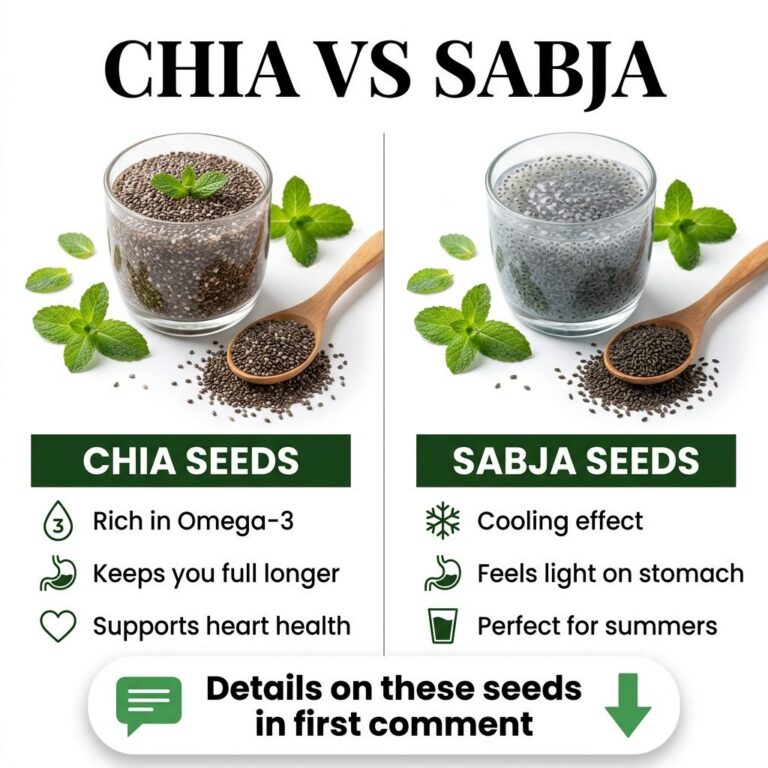
Understanding Chia Seeds: A Glimpse into Their Potency
Chia seeds, derived from the Salvia hispanica plant, have been a staple in ancient diets for centuries. These small, oval-shaped seeds are renowned for their ability to absorb liquid and form a gelatinous texture, making them a popular ingredient in many healthy recipes.
Key Benefits of Chia Seeds
- Rich in Omega-3 Fatty Acids: Chia seeds are an exceptional plant-based source of alpha-linolenic acid (ALA), a crucial omega-3 fatty acid. Omega-3s are vital for brain health, reducing inflammation, and supporting overall cellular function. Incorporating these healthy fats into your diet can contribute to long-term wellness.
- Keeps You Full Longer: Thanks to their high fiber content, chia seeds have an incredible ability to absorb up to 10-12 times their weight in water. When consumed, they expand in your stomach, creating a feeling of fullness and helping to curb overeating. This makes them an excellent addition to breakfast or snacks for anyone focusing on weight management or healthy eating habits.
- Supports Heart Health: The combination of omega-3 fatty acids, fiber, and antioxidants in chia seeds makes them a powerful ally for cardiovascular health. Omega-3s may help reduce blood pressure and cholesterol levels, while fiber can contribute to better blood sugar regulation, all of which are essential for a healthy heart.
Exploring Sabja Seeds: The Cooling Powerhouse
Sabja seeds, also known as basil seeds, come from the sweet basil plant (Ocimum basilicum). Unlike chia seeds, sabja seeds typically require soaking before consumption, as they have a harder outer shell. When soaked, they develop a distinct gelatinous coating, much larger and clearer than chia, and become soft and edible.
Key Benefits of Sabja Seeds
- Cooling Effect: Sabja seeds are widely recognized for their natural cooling properties, making them a popular ingredient in beverages, particularly in warmer climates. They are believed to help reduce body heat and provide a refreshing sensation, which is why they are often used in summer drinks and desserts.
- Feels Light on the Stomach: The mucilaginous fiber in sabja seeds not only aids in their cooling effect but also contributes to a feeling of lightness and ease in the stomach. They can act as a mild natural detoxifier and may support healthy digestion, helping to soothe the digestive tract.
- Perfect for Summers: Given their innate cooling properties and ability to provide a light, refreshing sensation, sabja seeds are an ideal addition to your diet during the summer months. They can be easily incorporated into hydrating drinks like lemonades, falooda, or simple fruit infusions, helping you stay cool and comfortable.
Chia Seeds vs. Sabja Seeds: A Quick Comparison
While both seeds offer impressive health benefits, their distinct properties cater to different needs:
- Appearance and Texture: Chia seeds are usually black or white, oval, and form a thicker gel. Sabja seeds are purely black, rounder, and develop a larger, clearer gel when soaked, often resembling tiny frog eggs.
- Nutritional Profile: Chia seeds are a superior source of Omega-3s. Sabja seeds, while still fibrous, are primarily prized for their cooling and digestive benefits.
- Preparation: Chia seeds can be eaten raw or soaked. Sabja seeds generally require soaking before consumption to soften them and activate their unique properties.
- Best Use Cases: Chia seeds excel in puddings, smoothies, and baked goods due to their binding properties and nutritional density. Sabja seeds are ideal for refreshing drinks, desserts, and to aid digestion, especially in warm weather.
How to Incorporate Chia and Sabja Seeds into Your Diet
Both seeds are incredibly versatile and can be easily added to your daily meals. Experiment to find what works best for your taste and lifestyle.
For Chia Seeds:
- Smoothies: Add 1-2 tablespoons to your morning smoothie for a fiber and omega-3 boost.
- Overnight Oats or Puddings: Combine with milk (dairy or plant-based), oats, fruit, and a sweetener. Let it sit overnight for a delicious, filling breakfast.
- Yogurt Parfaits: Sprinkle on top of yogurt with granola and fruit.
- Egg Substitute: A “chia egg” (1 tablespoon chia seeds mixed with 3 tablespoons water, let sit for 5 minutes) can replace one egg in baking.
For Sabja Seeds:
- Refreshing Drinks: Add a tablespoon of soaked sabja seeds to lemonades, iced tea, coconut water, or traditional Indian drinks like falooda for a cooling and textural element.
- Desserts: Mix into kulfi, puddings, or fruit salads for an interesting texture and digestive aid.
- Smoothies: Blend into fruit smoothies for added fiber and a slight cooling effect.
Choosing the Right Seed for You
Your choice between chia and sabja seeds ultimately depends on your specific health goals and preferences. If you’re looking for a potent source of plant-based omega-3s, fiber for satiety, and overall heart health support, chia seeds are an excellent choice.
If your focus is on a natural cooling agent, digestive comfort, and a light addition to refreshing summer beverages, then sabja seeds may be your preferred option. Many people choose to incorporate both into their diet, enjoying the distinct benefits each offers. Both contribute significantly to a balanced, nutrient-rich diet, helping you on your journey towards better health and wellness.