Spring has sprung, and with it comes the perfect opportunity to breathe new life into your garden! If you’ve been dreaming of a fuller, more vibrant landscape without breaking the bank, plant division is your secret weapon. April is an ideal month for this gardening magic, allowing you to multiply your favorite perennials and rejuvenate tired clumps.
At Garden – L. Quyên, we believe every gardener, from novice to seasoned pro, deserves a thriving green space. Let’s dive into the art of plant division and discover how you can double your garden’s beauty!
What is Plant Division and Why Do It?
Plant division is simply separating a large, mature plant clump into smaller, individual plants. It’s a natural form of plant propagation that offers a multitude of benefits:
- Rejuvenation: Many perennials become less vigorous and flower less abundantly as they age and become overcrowded. Division gives them a fresh start.
- Propagation: It’s a fantastic way to create new plants for free! You can fill gaps in your existing beds, start new garden areas, or share with friends.
- Improved Health: Dividing helps prevent overcrowding, which can lead to poor air circulation, increased susceptibility to pests and diseases, and competition for nutrients.
- Controlling Size: Some vigorous plants can take over an area. Regular division helps keep them in check.
Timing is Key: Why April is Ideal for Division
For most spring-flowering and summer-flowering perennials, early spring (like April in many regions) is the perfect time for division. The plants are just beginning to emerge from dormancy, or their new growth is still small. This timing allows the newly divided plants to establish their root systems before the heat of summer arrives and before they expend too much energy on flowering.
Dividing plants when they are dormant or just emerging minimizes stress and gives them the best chance for successful establishment.
How to Divide Your Plants: A Step-by-Step Guide
Ready to get your hands dirty? Here’s a simple guide to dividing your perennials:
1. Gather Your Tools
- A sharp spade or digging fork
- A sturdy knife, hand trowel, or pruning saw (for tough root balls)
- Buckets or tarps to hold plants
- Watering can or hose
- Gloves
2. Prepare New Planting Sites
Before you dig up your existing plant, have your new spots ready. Amend the soil with compost to ensure good drainage and nutrient availability. Dig holes that are slightly wider than the root ball of your new divisions.
3. Dig Up the Parent Plant
Carefully dig around the perimeter of the plant’s root ball, at least 6-12 inches out, depending on the plant’s size. Try to get as much of the root system as possible. Gently lift the entire clump out of the ground.
4. Clean and Inspect the Roots
Shake off excess soil so you can clearly see the root structure. Look for healthy, fibrous roots. Remove any dead, diseased, or damaged roots, as well as any weeds growing within the clump.
5. Divide with Care
This is where the real division happens! Depending on the plant, you can divide it in a few ways:
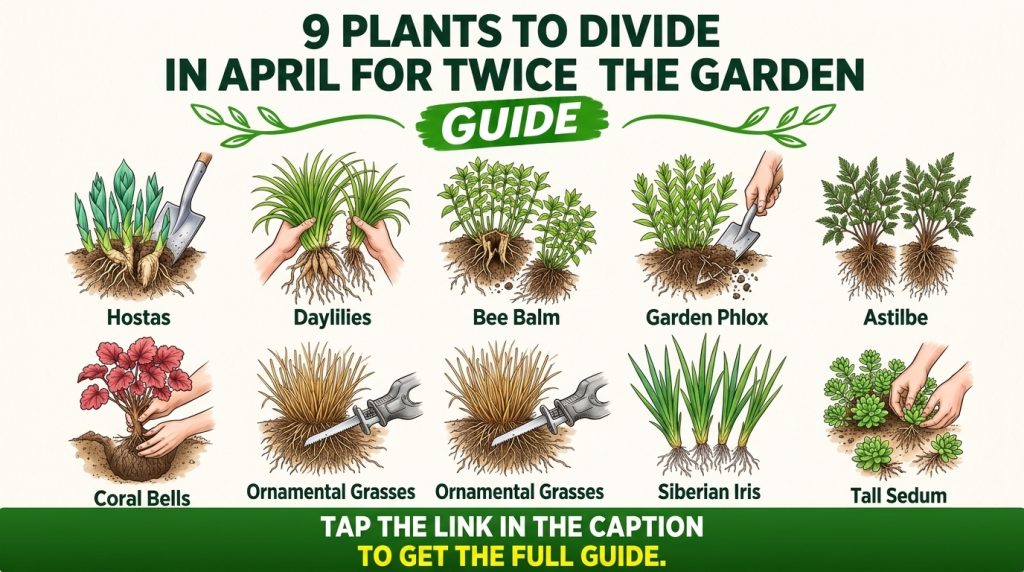
- By Hand: For plants with loose root systems (like Hostas or Daylilies), you might be able to gently pull apart the clumps by hand.
- With a Spade/Knife: For denser root balls, use a sharp spade, knife, or even two garden forks placed back-to-back to pry apart the sections. Ensure each new division has a healthy clump of roots and at least one ‘eye’ or growth point.
6. Replant Promptly
Plant your new divisions at the same depth they were originally growing. Backfill with soil, gently firming it around the roots to remove air pockets. Water thoroughly immediately after planting.
Top Plants to Divide in April
Many popular perennials thrive when divided in April. Here are a few favorites:
- Hostas: These shade-loving beauties are perhaps the easiest to divide. Simply dig them up and separate the clumps, ensuring each division has several eyes.
- Daylilies: Often forming dense clumps, daylilies benefit greatly from division every few years to maintain vigorous flowering.
- Coral Bells (Heuchera): These plants can become woody in the center over time. Division rejuvenates them, and April is a great time to do it.
- Irises (Bearded): Divide after flowering in late summer, but for some non-bearded types, early spring can work if necessary.
- Ornamental Grasses: Many clumping ornamental grasses can be divided in early spring before new growth gets too tall.
- Sedum (Autumn Joy type): While many sedums are drought-tolerant, dividing older clumps in spring can encourage healthier growth and more blooms.
- Astilbe: These moisture-loving plants also appreciate division every few years to maintain their fluffy plumes of color.
Aftercare for Your Divided Plants
The first few weeks after division are crucial for establishment:
- Water Regularly: Keep the soil consistently moist, especially during dry spells.
- Mulch: Apply a layer of organic mulch around the new plants to help retain moisture and regulate soil temperature.
- Monitor: Keep an eye out for signs of stress, pests, or diseases.
Dividing plants in April is a rewarding gardening task that yields multiple benefits. Not only do you get more plants for free, but you also ensure the continued health and vitality of your existing perennials. It’s an act of nurturing that truly makes your garden sing with life and abundance!
Happy dividing, gardeners!