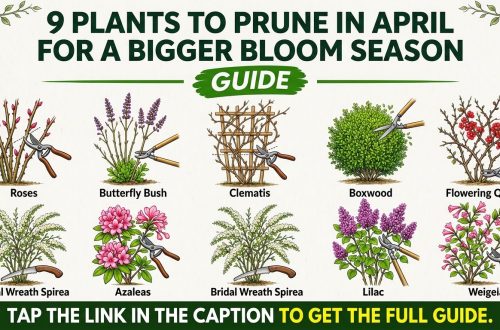
Unlock Your Garden’s Full Potential: Pruning for Perfection
April is a magical month in the garden. As the days lengthen and the earth warms, our plants begin to awaken, promising a season of vibrant color and lush foliage. But did you know that a little bit of strategic pruning in April can make a huge difference, leading to bigger, more abundant blooms? It’s true! Pruning isn’t just about tidiness; it’s an essential technique for plant health, vigor, and spectacular flowering.
Many gardeners hesitate when it comes to pruning, fearing they might harm their beloved plants. But with the right knowledge, you’ll feel confident snipping your way to a more beautiful garden. Today, we’re focusing on nine common plants that truly benefit from a good April trim, setting them up for a sensational bloom season.
Why Prune in April?
Pruning in early spring, specifically April, is ideal for many plants because it stimulates new growth right before the major growing season. By removing dead, damaged, or weak branches, you direct the plant’s energy towards producing healthy new stems and, ultimately, more flowers. It also improves air circulation and sunlight penetration, reducing disease risk and fostering a stronger, more productive plant.
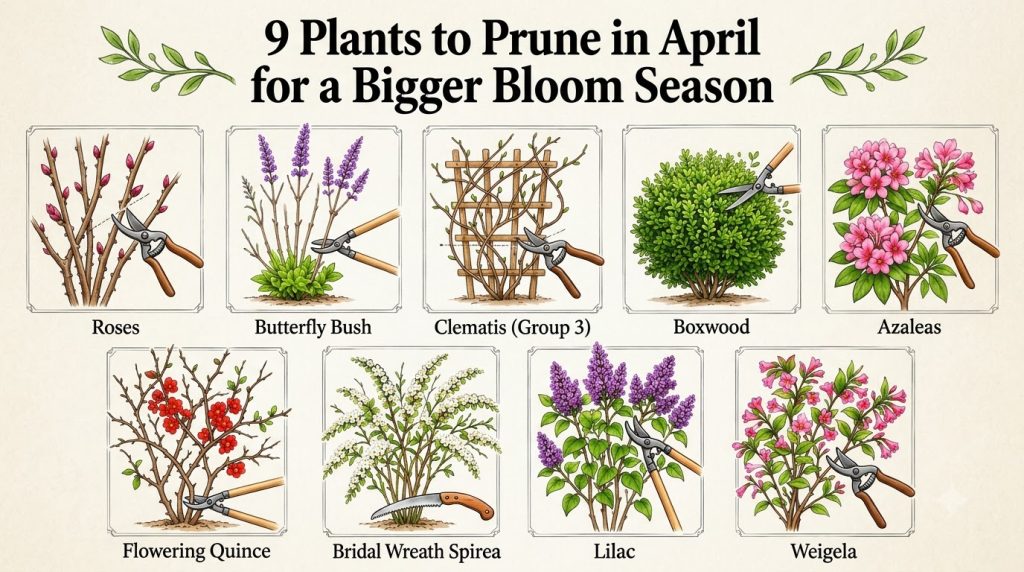
Essential Pruning Tips for Nine Common Plants in April
1. Roses
April is prime time for pruning most rose varieties, especially hybrid teas, floribundas, and grandifloras. The goal is to remove dead or diseased wood, open up the plant’s center for air circulation, and encourage vigorous new growth. Cut back stems to an outward-facing bud, removing any weak, spindly, or crossing branches. Aim for an open, goblet shape.
2. Butterfly Bush (Buddleia)
These vigorous growers love a hard prune in spring! Cutting them back significantly in April (often to just 6-12 inches from the ground) will encourage a flush of new growth that will bear an abundance of fragrant flower spikes later in the season. Don’t be shy; they bounce back beautifully.
3. Clematis
For Group 3 clematis varieties (which flower on new wood in late spring/summer), April is the time for a hard prune. Cut all stems back to about 6-12 inches from the ground, just above a strong pair of buds. This encourages a fresh burst of growth and ensures a spectacular display of large blooms.
4. Boxwood
Boxwood are often pruned for shape and formality. In April, after the last frost, you can lightly trim boxwood to maintain their desired form and density. Remove any dead or damaged branches. Avoid heavy pruning once new growth has emerged, as this can stress the plant.
5. Azaleas
While many azaleas are pruned immediately after flowering, if you have early-blooming varieties that have already finished, April is a good time for light shaping and removing spent flowers. For overgrown azaleas, you can do some rejuvenation pruning by removing a few of the oldest, thickest stems at the base to encourage new, more vigorous growth.
6. Flowering Quince
Prune flowering quince in April to maintain shape and encourage more blooms. Remove any dead or crossing branches, and thin out overcrowded areas to improve air circulation. You can also shorten long, unruly shoots to keep the plant tidy. Pruning after flowering is also an option, but an April tidy-up can set it up for the season.
7. Bridal Wreath Spirea (Spiraea vanhouttei)
This classic spring bloomer flowers on old wood, so April pruning should focus on removing spent flowers and shaping the plant lightly after its bloom has faded. If you have an overgrown plant, you can remove up to one-third of the oldest stems at ground level to rejuvenate it, which will sacrifice some current blooms for a stronger plant next year.
8. Lilac
Like spirea, lilacs typically bloom on old wood. For early-blooming lilacs that have already flowered, April is the perfect time to deadhead spent blooms and remove any suckers from the base of the plant. For overgrown or less vigorous lilacs, you can remove a few of the oldest, thickest stems at ground level to encourage new growth and better flowering in future years.
9. Weigela
Weigela varieties flower on both old and new wood, making them forgiving to prune. In April, remove any dead or weak branches, and thin out overcrowded areas to improve light penetration and air circulation. You can also shorten stems that have finished flowering to encourage a second flush of blooms, especially for re-blooming varieties.
General Pruning Tips & Safety
- Use Sharp Tools: Always use clean, sharp pruning shears, loppers, or saws appropriate for the branch size. Dull tools can tear stems, leaving plants vulnerable to disease.
- Clean Your Tools: Disinfect your pruning tools with rubbing alcohol or a bleach solution between plants, especially if you suspect disease, to prevent spreading pathogens.
- Know Your Plant: Research the specific needs of your plants. Knowing whether they bloom on ‘old wood’ or ‘new wood’ is crucial for proper timing.
- Safety First: Wear gloves and protective eyewear. Be mindful of your surroundings and avoid pruning near power lines.
Ready to Transform Your Garden?
Armed with these tips, you’re ready to step into your garden with confidence this April. A little strategic pruning now will pay off with a spectacular display of blooms that will be the envy of your neighborhood. So grab your shears, put on your gardening gloves, and get ready to enjoy the incredible beauty of a well-pruned garden!
What are your favorite plants to prune in spring? Share your tips and success stories in the comments below!