A perfectly cooked steak is a thing of beauty, but pairing it with the right sauce can transform a great meal into an extraordinary culinary experience. Whether you prefer a rich, classic pan sauce, a vibrant herb-infused concoction, or something creamy and decadent, homemade steak sauces are surprisingly simple to master and add an incredible depth of flavor.
Forget relying on store-bought options! This article explores five essential categories of steak sauces that every home cook should know. We’ll dive into the characteristics of each type, offering inspiration and general guidance to help you craft the perfect accompaniment for your next steak dinner. Plus, we’ve included a foundational recipe for a classic pan sauce to get you started on your saucy journey!

Why You’ll Love Mastering Homemade Steak Sauces
- Unbeatable Flavor: Fresh, homemade sauces simply taste better than anything from a jar. You control the quality of ingredients and the depth of flavor.
- Impress Your Guests: A gourmet sauce makes any steak dinner feel special and sophisticated, perfect for entertaining or a romantic evening.
- Customizable: Easily adjust ingredients and seasonings to suit your personal taste preferences and complement various cuts of steak.
- Uses Pan Drippings: Many sauces, especially pan sauces, make excellent use of the flavorful bits left in the pan after cooking your steak, maximizing taste and minimizing waste.
- Simple Ingredients: Often, the best sauces come together with just a few pantry staples and fresh additions.
- Quick to Prepare: Most steak sauces can be whipped up in under 15 minutes while your steak rests, making them perfect for weeknight meals.
Common Ingredients for Delicious Steak Sauces
While specific ingredients vary greatly by sauce type, many share common components that build layers of flavor:
- Aromatics: Shallots, garlic, onions, and mushrooms form a savory base.
- Liquids: Beef broth, red wine, brandy, cream, or stock provide body and flavor.
- Fats: Butter, olive oil, or leftover steak drippings add richness and help carry flavors.
- Acids: Vinegar (balsamic, red wine), lemon juice, or mustard balance richness and brighten the sauce.
- Herbs & Spices: Fresh parsley, thyme, rosemary, chives, cracked black pepper, or chili flakes add aroma and zing.
- Thickeners (Optional): A small amount of flour or cornstarch slurry can be used for thicker sauces, though many sauces thicken through reduction.
Equipment You’ll Need
- A sturdy skillet or cast-iron pan (ideally the one used to cook the steak)
- Small saucepan (if not using the steak pan)
- Whisk
- Measuring cups and spoons
- Small fine-mesh sieve (optional, for a smoother sauce)
Mastering Homemade Steak Sauces: General Principles
Here, we explore five popular categories of steak sauces, giving you the knowledge to create your own culinary masterpieces. While specific recipes will vary, understanding these types will guide your cooking.
1. The Classic Pan Sauce (Your Steak’s Best Friend)
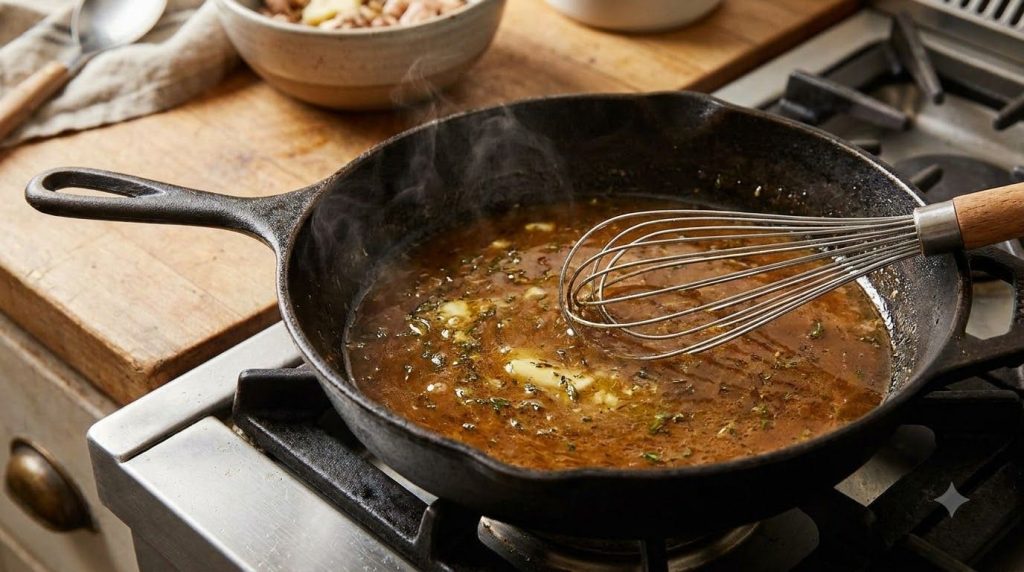
This is arguably the easiest and most flavorful sauce to make, as it uses the browned bits (fond) left in the pan after cooking your steak. It’s the foundation for many variations, including the red wine sauce example in our recipe card.
How it’s made:
- Deglaze: After removing your steak, add a liquid (wine, broth, or brandy) to the hot pan, scraping up the fond with a wooden spoon.
- Reduce: Simmer until the liquid reduces and slightly thickens, concentrating the flavors.
- Enrich: Whisk in a knob of cold butter at the end for glossiness and richness. Season to taste.
2. Creamy & Rich Sauces (Indulgent & Comforting)
These sauces add a layer of luxurious texture and deep flavor, perfect for tender cuts of steak. Think classic peppercorn sauce, mushroom cream sauce, or a decadent blue cheese sauce.
General approach:
- Start with sautéed aromatics (shallots, mushrooms).
- Deglaze with brandy or wine.
- Add heavy cream or crème fraîche and reduce until thickened.
- Stir in flavorings like crushed green peppercorns, crumbled blue cheese, or fresh herbs.
3. Bright & Herbaceous Sauces (Fresh & Zesty)
For those who prefer a lighter, more vibrant contrast to rich steak, herb-based sauces are ideal. Chimichurri, a zesty Argentinian sauce, or a simple herb butter are fantastic examples.
General approach:
- Finely chop fresh herbs (parsley, cilantro, oregano, chives).
- Combine with olive oil, vinegar (red wine vinegar for chimichurri), minced garlic, and a pinch of chili flakes.
- For herb butter, blend softened butter with minced herbs, garlic, and lemon zest.
4. Bold & Tangy Sauces (Punchy & Flavorful)
Sometimes a steak calls for a sauce with a strong personality. Horseradish cream sauce or a sharp mustard sauce can cut through the richness of the meat beautifully.
General approach:
- Combine sour cream, mayonnaise, or Greek yogurt as a base.
- Whisk in prepared horseradish, Dijon mustard, lemon juice, and finely chopped chives or dill.
- Season well with salt and pepper.
5. Sweet & Savory Reductions (Elegant & Complex)
These sauces often feature a fruit element or a rich balsamic reduction, offering a delightful contrast to the savory steak. They bring a gourmet touch without being overly complicated.
General approach:
- Simmer balsamic vinegar with a touch of honey or brown sugar until thickened into a glaze.
- Alternatively, sauté fruits like cherries or figs with a splash of port wine or red wine, reducing until syrupy.
- Finish with a pat of butter for shine and a smooth texture.
Pro Tips for the Best Results
- Don’t Overcrowd the Pan: When sautéing aromatics, ensure your pan isn’t too full, or they will steam instead of brown, losing flavor.
- Scrape the Fond: Those browned bits stuck to the bottom of the pan after cooking steak are pure flavor gold. Use a wooden spoon to scrape them up when deglazing.
- Taste as You Go: Seasoning is crucial. Continuously taste your sauce and adjust salt, pepper, and acidity until it’s perfectly balanced.
- Use Cold Butter for Finishing: When whisking in butter at the end of a pan sauce, use cold butter. It emulsifies better, creating a glossy, rich finish without breaking the sauce.
- Don’t Over-Reduce Cream Sauces: Cream sauces can become too thick or separate if reduced too vigorously or for too long. Simmer gently until just thickened.
- Fresh Herbs Make a Difference: While dried herbs have their place, fresh herbs add a brighter, more vibrant flavor to sauces. Add them towards the end of cooking for maximum impact.
Common Mistakes to Avoid
- Too Much Liquid at Once: When deglazing, add liquid gradually to control the reduction and prevent the pan from cooling too quickly.
- Over-Thickening: Be careful not to reduce sauces too much, especially those with cream or starches, as they will continue to thicken as they cool.
- Burning Aromatics: Keep a close eye on shallots and garlic; they can burn quickly, imparting a bitter flavor to your sauce.
- Skipping Deglazing: Neglecting to scrape up the fond means missing out on a huge amount of flavor.
- Improper Seasoning: An under-seasoned sauce will taste flat. Don’t be shy with salt and pepper, but add gradually.
Variations & Substitutions
- Herb Swaps: Experiment with different fresh herbs like tarragon, chervil, or marjoram in pan sauces or herb butters.
- Alcohol Alternatives: If you prefer not to use wine or spirits, extra beef broth, mushroom broth, or even a splash of balsamic vinegar can work for deglazing.
- Cream Alternatives: For lighter creamy sauces, half-and-half or evaporated milk can be used, though they won’t be as rich. Coconut cream can work for a dairy-free option in some contexts.
- Spice It Up: Add a pinch of cayenne pepper, red pepper flakes, or a dash of hot sauce to any sauce for a spicy kick.
Serving Suggestions
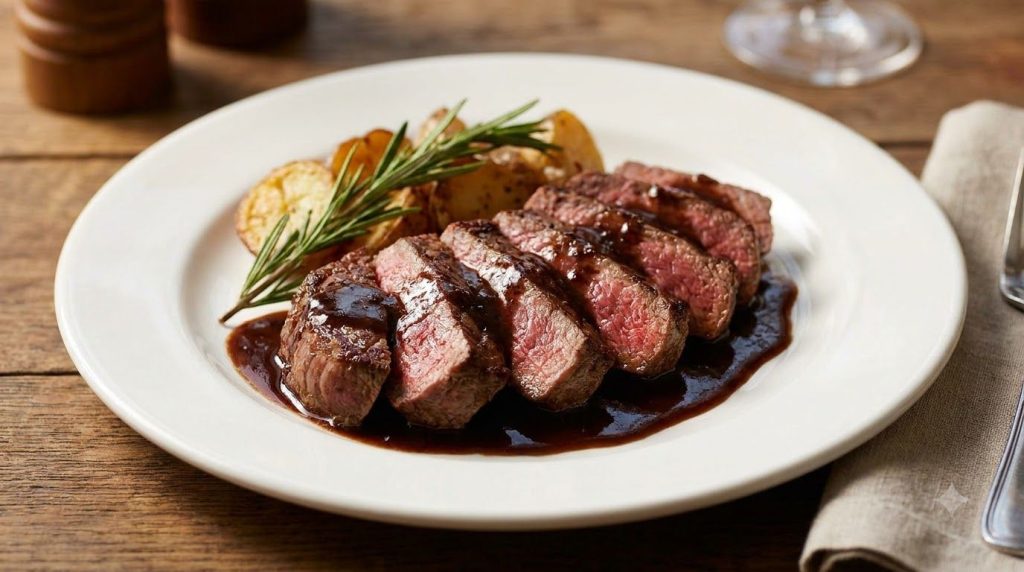
These sauces are designed to be served directly over a freshly grilled, pan-seared, or roasted steak. Consider:
- Classic Pairings: Alongside roasted potatoes, mashed potatoes, or a simple green salad.
- Vegetable Sides: Steamed asparagus, sautéed green beans, or creamed spinach complement rich sauces beautifully.
- Bread: Crusty bread is perfect for soaking up every last drop of the delicious sauce.
- Wine Pairings: Match your sauce to your wine; a red wine reduction pairs well with a Cabernet Sauvignon, while a lighter herb sauce might go with a Pinot Noir.
Storage & Reheating
Most homemade steak sauces are best enjoyed fresh. However, if you have leftovers:
- Refrigerator Storage: Store in an airtight container in the refrigerator for up to 3-4 days. Cream-based sauces may separate slightly.
- Freezer Suitability: Broth-based pan sauces often freeze well for up to 2-3 months. Cream-based sauces may curdle or change texture upon thawing and reheating; it’s generally not recommended.
- Reheating Method: Gently reheat on the stovetop over low heat, stirring frequently. Add a splash of broth or water if it’s too thick. For cream sauces, reheat very gently and whisk vigorously to re-emulsify if it separates.
FAQ
Can I make steak sauce ahead of time?
Many pan sauces and reduction sauces can be made a day or two in advance and gently reheated. Cream-based sauces are best made fresh or just before serving, as their texture can change upon reheating.
What if my sauce is too thin?
Continue to simmer the sauce gently until it reduces to your desired consistency. For a quick fix, you can whisk in a cornstarch slurry (1 teaspoon cornstarch mixed with 1 teaspoon cold water) and simmer for another minute, but be careful not to add too much.
What if my sauce is too thick?
Add a small amount of beef broth, water, or wine, one tablespoon at a time, until the sauce reaches your preferred consistency. Gently warm it while stirring.
How do I make a pan sauce without wine?
You can substitute the wine with extra beef broth, chicken broth, mushroom broth, or even a splash of balsamic vinegar for acidity. Adjust seasoning as needed.
Why did my cream sauce curdle?
Cream sauces can curdle if cooked at too high a heat, if acidic ingredients are added directly to cold cream, or if they are reheated too aggressively. Always add acidic ingredients to warm cream slowly, and simmer gently.
What’s the best steak for a rich sauce?
Rich sauces pair wonderfully with robust cuts like New York strip, ribeye, or even a flavorful sirloin, as their richness can stand up to the sauce.
Basic Pan Sauce for Steak
This foundational recipe demonstrates the classic pan sauce technique, easily adaptable with different liquids and aromatics.
Recipe Name: Basic Pan Sauce for Steak
Short Description: A quick and flavorful pan sauce made from steak drippings, perfect for elevating any steak dinner.
Prep Time: 5 minutes
Cook Time: 10-15 minutes
Total Time: 15-20 minutes
Servings: 2-4
Course: Sauce, Condiment
Cuisine: American, French
Cooking Method: Sautéing, Reduction
Ingredients:
- 1 tbsp (15 ml) olive oil or reserved steak drippings (from cooking 1-2 steaks)
- 1 small shallot, minced (approx. 2 tbsp / 15 g), optional
- 1/2 cup (120 ml) dry red wine (e.g., Cabernet Sauvignon, Pinot Noir)
- 1/2 cup (120 ml) beef broth (low sodium preferred)
- 1 tbsp (15 g) cold unsalted butter, cut into 2-3 cubes
- Salt and freshly ground black pepper, to taste
- Optional: 1 tsp fresh thyme leaves or chopped parsley for garnish
Instructions:
- Cook Steak: Cook your steak(s) as desired. Once cooked, remove from the pan and place on a cutting board or plate to rest, tented loosely with foil.
- Prepare Pan: Add olive oil to the hot pan (or use the rendered steak drippings) over medium heat. If using, add the minced shallot and sauté for 1-2 minutes until softened and fragrant.
- Deglaze: Pour in the red wine, scraping up any browned bits (fond) from the bottom of the pan with a wooden spoon. Bring to a simmer and let it reduce by about half, approximately 3-5 minutes, until slightly syrupy.
- Add Broth & Reduce: Stir in the beef broth. Continue to simmer, allowing the sauce to reduce and thicken slightly, for another 3-5 minutes.
- Finish with Butter: Remove the pan from the heat. Whisk in the cold butter, one cube at a time, until it melts and is fully incorporated, creating a glossy, emulsified sauce.
- Season & Serve: Season the sauce with salt and black pepper to taste. If desired, stir in fresh thyme or parsley. Pour immediately over your rested steak and serve.
Notes:
This basic pan sauce is highly versatile. Feel free to experiment with different aromatics like garlic or mushrooms, or a splash of brandy instead of wine. Adjust the reduction time based on your desired thickness.
Storage:
Store leftover sauce in an airtight container in the refrigerator for up to 3-4 days. Reheat gently over low heat on the stovetop, adding a splash of broth if too thick.
Nutrition:
Nutrition information is an estimate and may vary depending on the ingredients and brands used.