Do you ever want to eat a generous, satisfying meal without counting every bite? High-volume, low-calorie vegan foods make that easier. These are ingredients with plenty of water, fiber, and bulk, so they take up space on your plate and help you feel full without a large calorie load.
This guide explains how volume eating works, which plant foods fit the idea, and includes a simple soup recipe you can make at home. Calorie needs vary from person to person, so use this as a general approach to building balanced, satisfying meals.
What Is Volume Eating?
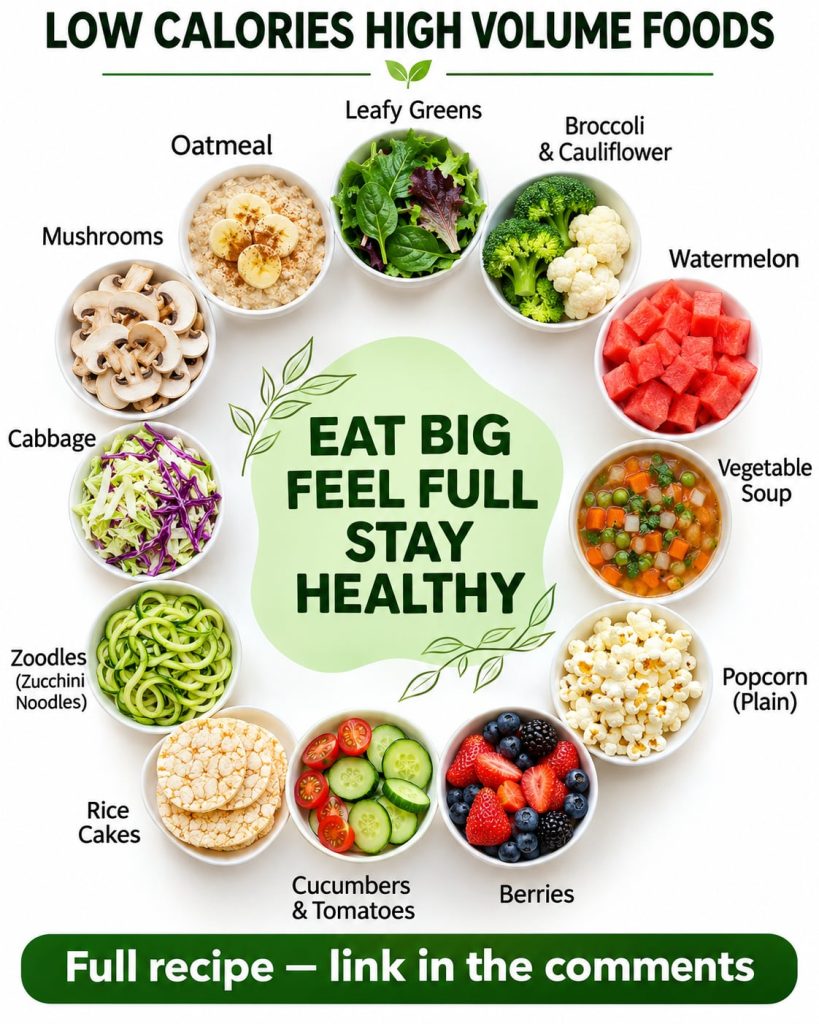
Volume eating means choosing foods that provide a large amount of food for a relatively modest number of calories. Many non-starchy vegetables, fruits, broths, and legumes contain a lot of water and fiber. Both help make food more filling, so you may feel satisfied with a bigger portion.
Volume eating is not a magic trick, and it does not replace a balanced diet. If you have specific health goals or a medical condition, a registered dietitian or your healthcare provider can help you plan meals that fit your needs.
Plant Foods That Help You Feel Full
- Leafy greens such as spinach, kale, and romaine add bulk with very few calories.
- Cucumbers, zucchini, and bell peppers are crunchy, hydrating, and easy to add to most meals.
- Cauliflower and broccoli can be roasted, steamed, or blended into sauces and soups.
- Lentils and beans provide protein and fiber, which make meals more substantial.
- Berries offer natural sweetness and fiber for breakfast bowls or simple desserts.
- Oats cooked in water or plant milk make a warm, filling breakfast.
Recipe: Big-Batch Lentil and Vegetable Soup
This soup fills a large bowl and works well for lunch or dinner. It also reheats nicely, so it is a good option for meal prep.
Ingredients for 4 servings
- 1 tablespoon olive oil
- 1 medium onion, diced
- 2 medium carrots, diced
- 2 celery stalks, diced
- 3 cloves garlic, minced
- 1 cup brown or green lentils, rinsed and drained
- 1 can (14.5 ounces or 411 g) diced tomatoes, undrained
- 6 cups low-sodium vegetable broth
- 1 teaspoon dried thyme
- 1/2 teaspoon ground black pepper
- 2 cups chopped kale or spinach
- 1 cup diced zucchini
- 1/2 teaspoon salt, or to taste
- 1 tablespoon fresh lemon juice
Equipment
- Large pot with lid
- Cutting board and sharp knife
- Wooden spoon
- Measuring cups and spoons
Instructions
- Prepare the vegetables. Dice the onion, carrots, and celery into pieces about 1/2 inch in size. Mince the garlic. Rinse the lentils and drain them well.
- Sauté the base. Heat the olive oil in the pot over medium heat for about 1 minute. Add the onion, carrots, and celery. Cook for 5 to 6 minutes, stirring often, until the onion turns translucent and the vegetables begin to soften.
- Add the garlic. Stir in the garlic and cook for about 30 seconds, until fragrant. Do not let it brown, or it may taste bitter.
- Simmer the lentils. Add the lentils, diced tomatoes with their juices, vegetable broth, thyme, and black pepper. Increase the heat to high until the soup comes to a boil. Reduce the heat to low, partially cover, and simmer for 25 to 30 minutes, until the lentils are tender but not mushy.
- Add the greens and zucchini. Stir in the kale or spinach and the zucchini. Simmer uncovered for about 5 minutes, until the zucchini is tender and the greens have wilted.
- Season and serve. Stir in the salt and lemon juice. Taste and add more salt or pepper if needed. Ladle the soup into bowls and serve warm.
Nutrition Highlights
Lentils provide plant-based protein and dietary fiber. Carrots and tomatoes contribute vitamin A and other micronutrients, while leafy greens add folate and vitamin K. Because the soup is rich in water and fiber, it can be a satisfying part of a balanced meal.
Plant-based diets may need extra attention to vitamin B12, iron, calcium, iodine, and omega-3 fats. Fortified foods and a varied diet can help, and a healthcare provider can recommend supplements if needed.
Nutritional Information
Exact nutrition values depend on the brands and quantities you use. Because this article does not include a validated nutrition calculation, the numerical values are omitted. You can use a nutrition calculator with your specific ingredients for more precise estimates.
Expert Cooking Tips
- Rinse lentils well to remove dust and any debris before cooking.
- Add salt after the lentils are tender, since salting too early can slow softening in some cases.
- Stir in lemon juice at the end to brighten the flavor without extra cooking.
- Use a larger pot than you think you need so the soup can simmer without boiling over.
- Cut vegetables into even pieces so they cook at the same rate.
Recipe Variations
- Higher-protein version: Add a cup of chickpeas or a block of diced firm tofu in the last 10 minutes of simmering.
- Spicy version: Stir in 1/2 teaspoon smoked paprika or a pinch of red pepper flakes with the thyme.
- Creamy version: Blend one cup of the finished soup and stir it back into the pot for a thicker texture.
- Gluten-free and vegan: This recipe is already vegan and gluten-free when you use certified gluten-free vegetable broth.
Storage Instructions
Let the soup cool for no more than 2 hours at room temperature. Transfer it to airtight containers and refrigerate for up to 4 days. For longer storage, freeze it in portions for up to 3 months. Thaw in the refrigerator overnight before reheating.
To reheat, warm the soup in a saucepan over medium heat, stirring occasionally, until steaming hot throughout. Add a splash of water or broth if it has thickened. Lentil soup may thicken more after refrigeration, and the greens can soften slightly.
Common Mistakes to Avoid
- Overcooking the greens: Kale and spinach can turn dull and mushy if simmered too long. Add them near the end and cook just until wilted.
- Using too little liquid: Lentils absorb liquid as they cook. If the soup becomes too thick, add more broth or water a little at a time.
- Skipping the rinse: Unrinsed lentils can add grit and an uneven texture. A quick rinse under cold water helps.
Frequently Asked Questions
Can I make this soup ahead of time?
Yes. The soup keeps well in the refrigerator for up to 4 days, so it works nicely for meal prep.
Can I use a different type of lentil?
Yes. Red lentils cook faster and become softer, while green or brown lentils hold their shape better. Adjust the cooking time as needed.
Is this recipe vegan?
Yes, as written it is vegan, provided you use a vegan vegetable broth.
How can I add more protein?
Add chickpeas, white beans, or diced tofu. You can also serve the soup with a slice of whole-grain bread or a side of roasted edamame.
Conclusion
High-volume, low-calorie vegan foods such as leafy greens, vegetables, legumes, and fruits can help you build meals that feel generous and satisfying. This lentil and vegetable soup shows how simple ingredients can create a large, comforting bowl.
Try making this soup this week and save the recipe for your next busy day. Pair it with other vegetables and plant proteins for a varied, balanced diet that you can enjoy without guilt.