Growing herbs from cuttings in plain water is one of the most rewarding projects you can try at home. With nothing more than a clean glass, some fresh stems, and a sunny windowsill, you can turn a single store-bought bunch of herbs into a whole collection of new plants. It is a simple, inexpensive way to expand your herb garden, and it is a wonderful introduction to plant propagation for beginners.
Why Water Propagation Works
Many common herbs form roots readily when a healthy stem section is placed in water. The leaves that remain above the waterline keep the cutting alive while new roots develop beneath the surface. Watching those white roots appear over the following days is one of the most satisfying moments for any gardener, whether you are a seasoned plant collector or just starting out.
Herbs That Often Root Well in Water
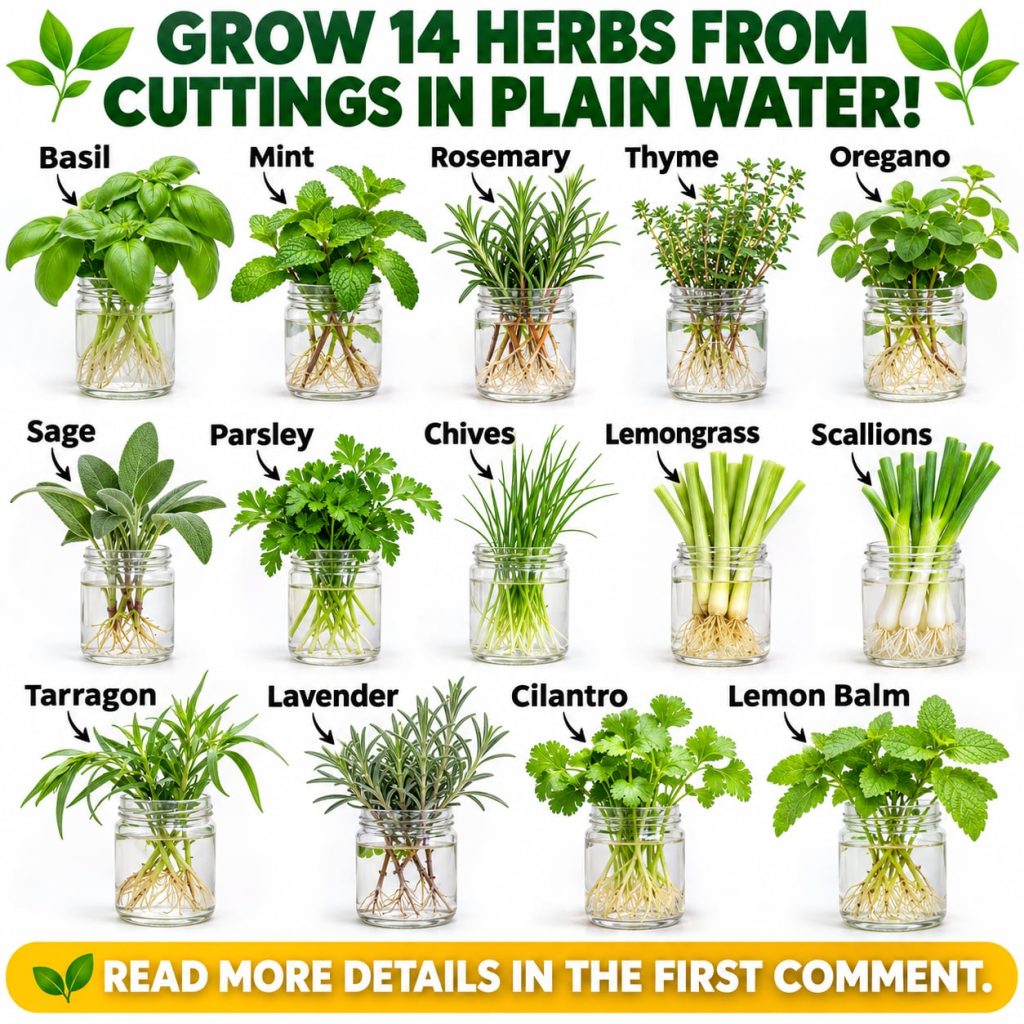
Several popular herbs are known for rooting easily from cuttings. Basil and mint are two of the most common choices for beginners. Other herbs, such as rosemary, sage, thyme, oregano, and lemon balm, can also be propagated this way, although they may root more slowly or respond differently depending on the variety and the condition of the stem. Results always vary, so treat each cutting as a small experiment and learn what works best in your own space.
What You Will Need
- Healthy, non-flowering stems from a mature herb plant
- Clean sharp scissors or pruning shears
- A clear glass jar or bottle
- Room-temperature water, ideally filtered or left to sit overnight
- A bright spot with indirect sunlight
Step-by-Step: Rooting Herb Cuttings in Water
- Choose healthy stems. Select firm, vigorous stems without yellowing, pest damage, or disease. Stems that are not yet flowering usually root better.
- Take the cutting. Cut just below a leaf node, which is the point where a leaf meets the stem. A cutting of about 10 to 15 centimeters (4 to 6 inches) is a good size.
- Remove the lower leaves. Strip off the leaves that would sit underwater, leaving two to four sets of leaves at the top. Submerged leaves can rot and cloud the water.
- Place the cutting in water. Set the stem in a jar so that the bare nodes are submerged but the remaining leaves stay dry above the surface.
- Give it light and fresh water. Place the jar where it receives bright, indirect light. Change the water every few days to keep it clean and oxygenated.
- Wait for roots. Roots often begin to appear within one to three weeks, though timing depends on the herb and the conditions.
Tips for Healthy Roots
- Use a clean container and rinse it before each water change to limit bacteria buildup.
- Keep cuttings away from harsh direct sun, which can stress tender stems.
- Avoid cold drafts, since most herbs prefer mild, steady temperatures.
- If the water becomes cloudy or smells unpleasant, replace it promptly.
When to Move Cuttings to Soil
Once roots are about 2 to 5 centimeters (1 to 2 inches) long and look sturdy, the cutting is ready for soil. Plant it in a light, well-draining potting mix and keep the soil lightly moist while the plant settles in. Water-grown roots can be more delicate than soil-grown roots, so gently acclimate the plant over several days by watering it more carefully at first.
Common Mistakes to Avoid
Leaving too many leaves underwater is one of the most frequent errors, as it promotes rot. Another common issue is waiting too long to change the water, which can slow root growth. Some gardeners also transfer cuttings to soil too early, before the root system is strong enough to support the plant.
Make the Most of Your Herb Garden
Propagating herbs from cuttings is a practical way to save money, refresh older plants, and share greenery with friends. Each new herb you grow adds to your sense of accomplishment and brings more freshness to your kitchen. Start with a few easy herbs, learn how they respond, and enjoy the process of watching your garden grow one cutting at a time.