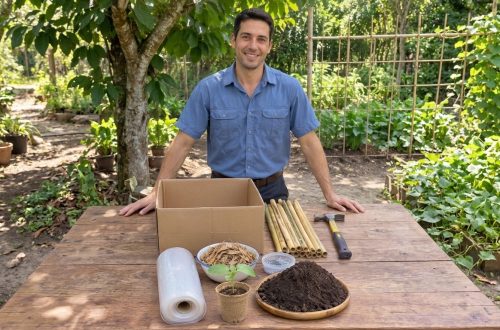
There is something deeply satisfying about watching a single herb stem turn into a whole new plant. Basil is one of the best herbs to start with when you want to try propagation, because it is fast, forgiving, and rewarding. With a few healthy cuttings, a clean cutting tool, and a little patience, you can expand your herb garden without buying new plants at the store.
Why Propagate Herbs from Cuttings?
Propagation is a practical way to multiply plants you already love. Instead of starting from seed, you take a small piece of an established plant and encourage it to grow roots. This method is popular with home cooks, indoor gardeners, and anyone who wants to share plants with friends. It also helps you keep a favorite herb true to its original characteristics.
What You Need to Get Started
- A healthy basil plant with plenty of leafy stems
- Clean, sharp scissors or pruning snips
- A clear glass or jar filled with fresh water
- A small pot with light, well-draining potting mix or rich soil
- A bright windowsill or spot with indirect sunlight
Keeping your tools clean reduces the risk of spreading disease between plants, so wipe your blades with rubbing alcohol before you begin.
Step-by-Step: Taking Basil Cuttings
-
Choose a healthy stem that is firm and green, with no yellowing, browning, or signs of pests.
-
Cut just below a leaf node, which is the small bump where a leaf joins the stem. Aim for a piece about 10 to 15 centimeters long.
-
Remove the lower leaves so that only two or three sets remain at the top. This keeps the cutting focused on growing roots rather than supporting extra foliage.
-
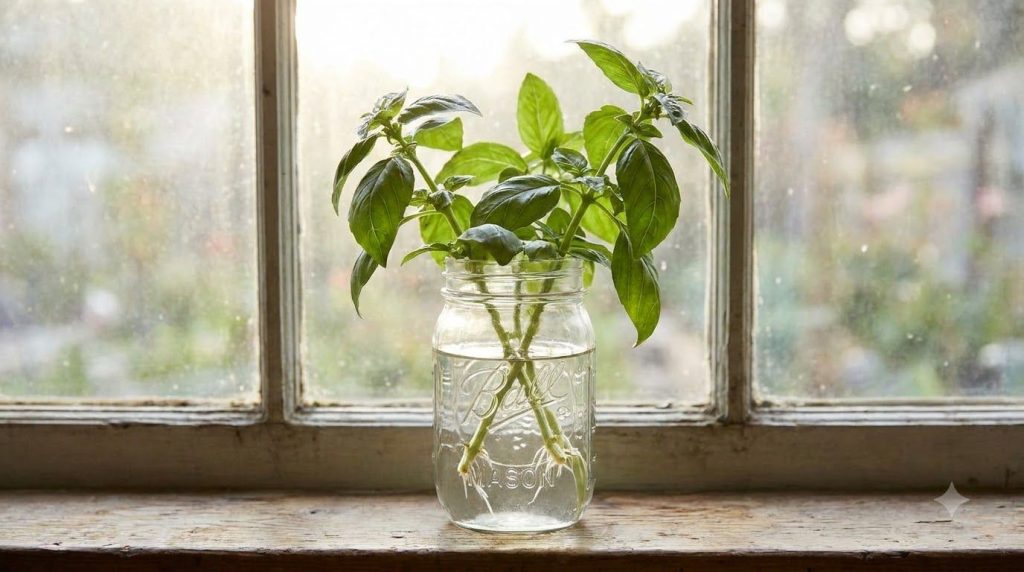
Place the cut end into a glass of fresh water so that the nodes are submerged, but the top leaves stay above the waterline.
Caring for Your Cuttings While Roots Develop
Place the glass in a spot that receives bright, indirect light. Direct harsh sun can overheat the water and stress the young stems. Change the water every two to three days to keep it fresh and oxygenated. Within one to two weeks, you should begin to see small white roots emerging from the nodes. Roots can take longer depending on temperature, light, and the health of the parent plant, so patience is important.
Moving Cuttings into Soil
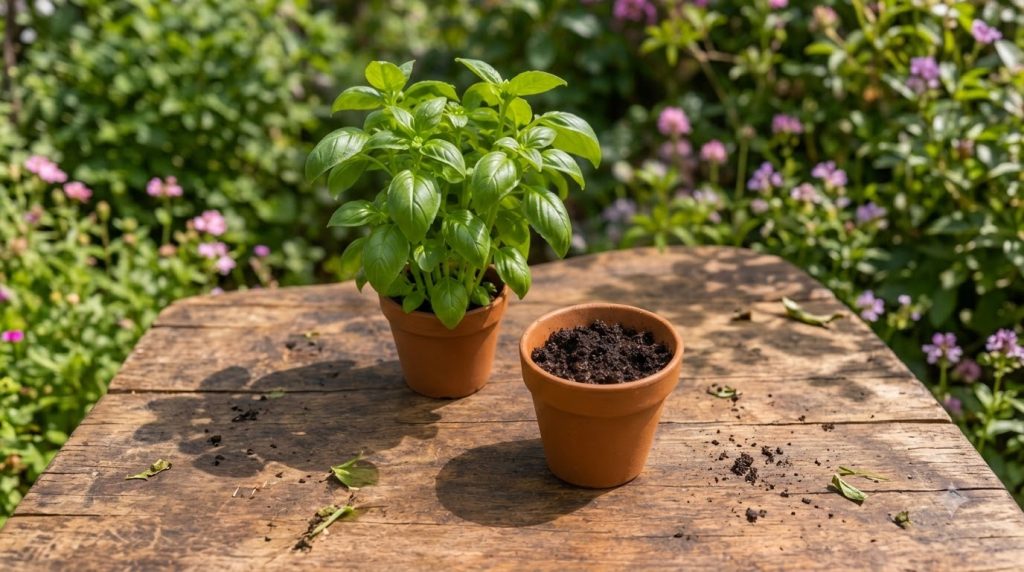
Once the roots are about 2 to 5 centimeters long, it is time to transfer your basil into soil. Fill a small pot with rich, well-draining potting mix. Make a small hole with your finger, place the roots gently inside, and firm the soil lightly around the stem. Water gently so the soil is evenly moist but not soggy. Keep the new plant out of strong direct sun for the first few days while it adjusts.
Tips for Healthy, Productive Herb Plants
- Pinch off flower buds as they appear to encourage fuller, leafier growth.
- Harvest from the top of the plant regularly to promote branching.
- Water at the soil level to keep leaves dry and reduce the risk of fungal problems.
- Use organic compost to enrich the soil naturally and support long-term plant health.
- Keep basil away from cold drafts, since it prefers warm conditions.
Common Problems and Simple Fixes
If your cuttings turn black or mushy at the base, they may be sitting in dirty water or receiving too little oxygen. Replace the water and trim the stem a little above the damaged area. If leaves wilt, check whether the cutting has enough light and fresh water. Remember that results vary from plant to plant, so observe your cuttings closely and adjust your routine as needed.
Enjoy Your Expanding Herb Garden
Growing herbs from cuttings is one of the most accessible gardening skills you can learn. With a few snips, some fresh water, and a bit of care, you can build a thriving collection of basil and other aromatic plants. Share extra cuttings with friends, use your fresh leaves in cooking, and enjoy the quiet pleasure of watching your garden grow.