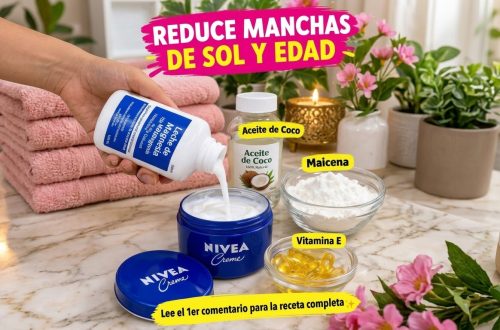
You may already have a blue tin of Nivea cream on your bathroom shelf. Lately, a viral DIY mix has been promising that this everyday moisturizer can help fade sun spots and age spots. Before you try anything new on your face, let’s look at where the buzz comes from, what the ingredients can and cannot do, and how to approach it safely.
Where the Viral Nivea Hack Comes From
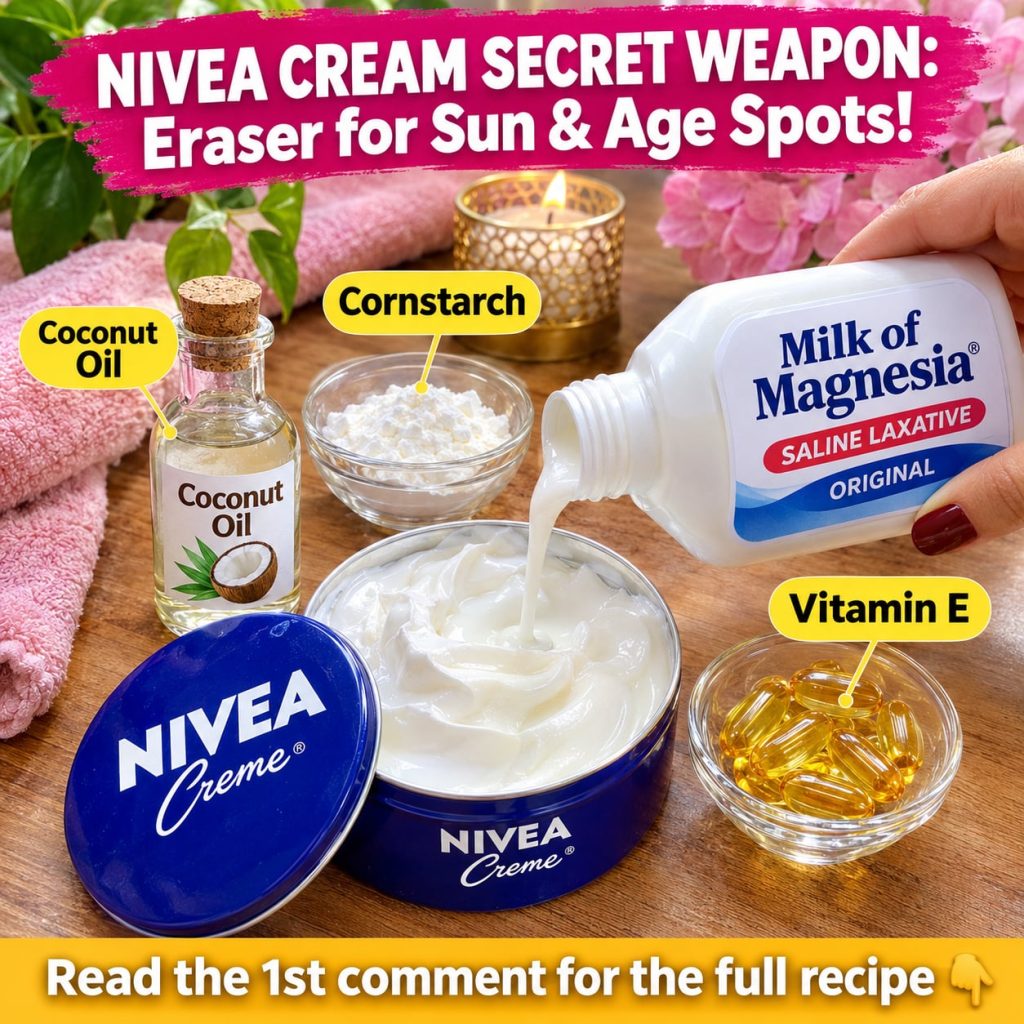
The trending version of this hack usually combines a classic moisturizing cream with pantry ingredients such as Milk of Magnesia, vitamin E, cornstarch, and coconut oil. Each ingredient has its own reputation in DIY beauty circles. Vitamin E is valued for its antioxidant and moisturizing properties, coconut oil is popular for softening dry skin, and cornstarch is often used for a silky, smooth feel. Milk of Magnesia, however, is a digestive product, and there is little reliable research showing it helps skin lighten or spots fade.
What Sun and Age Spots Actually Are
Sun spots, also called solar lentigines, and age spots are flat, darker patches that develop when melanin builds up in the skin after years of ultraviolet exposure. They are usually harmless, but many people find them frustrating because they can linger for a long time. Dermatologists typically address them with daily sun protection, topical ingredients such as retinoids, vitamin C, or azelaic acid, and in some cases in-office treatments.
Can a Homemade Cream Really Erase Spots?
The honest answer is that no homemade mix has been shown in clinical studies to erase sun spots. A rich, hydrating cream can help skin look smoother and more even in tone, and that can make spots appear slightly less noticeable. However, it will not break down existing pigment the way proven treatments can. Mixing non-cosmetic ingredients into your skincare also raises the chance of irritation, redness, or breakouts, which can make discoloration look worse.
Safety Tips Before You Try Any DIY Mix
- Always patch test a small amount on your inner arm or behind your ear for at least 48 hours.
- Use clean containers and fresh ingredients, and store mixes in the fridge for short periods only.
- Stop using the mix right away if you notice stinging, burning, itching, or swelling.
- Avoid applying mixtures to broken, sunburned, or freshly treated skin.
- Check with a dermatologist if a spot changes in size, shape, or color, bleeds, or looks unusual.

Habits That Genuinely Support Brighter, Even-Looking Skin
If your goal is a more even complexion, the most reliable steps are often the simplest ones. Consistency matters more than any single ingredient.
- Wear broad-spectrum sunscreen with at least SPF 30 every morning, even on cloudy days.
- Add a wide-brimmed hat and sunglasses when you spend time outdoors.
- Use a gentle moisturizer that suits your skin type to support its natural barrier.
- Introduce gentle exfoliation a few times a week rather than harsh scrubbing.
- Ask a dermatologist about proven topical options if spots bother you.
The Bottom Line
A blue tin of Nivea cream can be a comforting, affordable part of your routine, but it is not a proven eraser for sun or age spots. If you enjoy experimenting with DIY beauty, approach viral mixes with curiosity and caution, test them on a small area first, and keep your expectations realistic. For visible discoloration, sun protection combined with professional guidance is the most dependable path toward a more even, radiant complexion.