Unlock your body’s true potential by focusing on the smallest powerhouses within your cells: mitochondria. These tiny organelles are responsible for generating over 90% of the energy your body needs to function, from thinking to moving. Supporting mitochondrial health isn’t just about feeling energetic; it’s about promoting overall cellular vitality, enhancing longevity, and fortifying your body against daily stressors.
Many people wonder if optimizing mitochondrial health means sacrificing delicious, antioxidant-rich foods. The truth is, quite the opposite! Eating for your mitochondria means embracing nutrient-dense superfoods that are often packed with beneficial antioxidants. This article will guide you through nine powerhouse superfoods that can help boost mitochondrial biogenesis (the creation of new mitochondria) and enhance your cellular health, contributing to a more vibrant and energetic you.
Understanding Mitochondrial Health for Energy and Longevity
Mitochondria are often called the ‘power plants’ of our cells. They convert the food we eat into adenosine triphosphate (ATP), the primary energy currency of the cell. When our mitochondria are functioning optimally, our cells, tissues, and organs thrive. Poor mitochondrial function, on the other hand, can contribute to fatigue, age-related decline, and various health challenges.
By incorporating specific foods into your diet, you can provide your mitochondria with the nutrients they need to work efficiently, protect them from damage, and even stimulate the growth of new, healthy mitochondria. This is where superfoods come into play, offering concentrated doses of beneficial compounds.
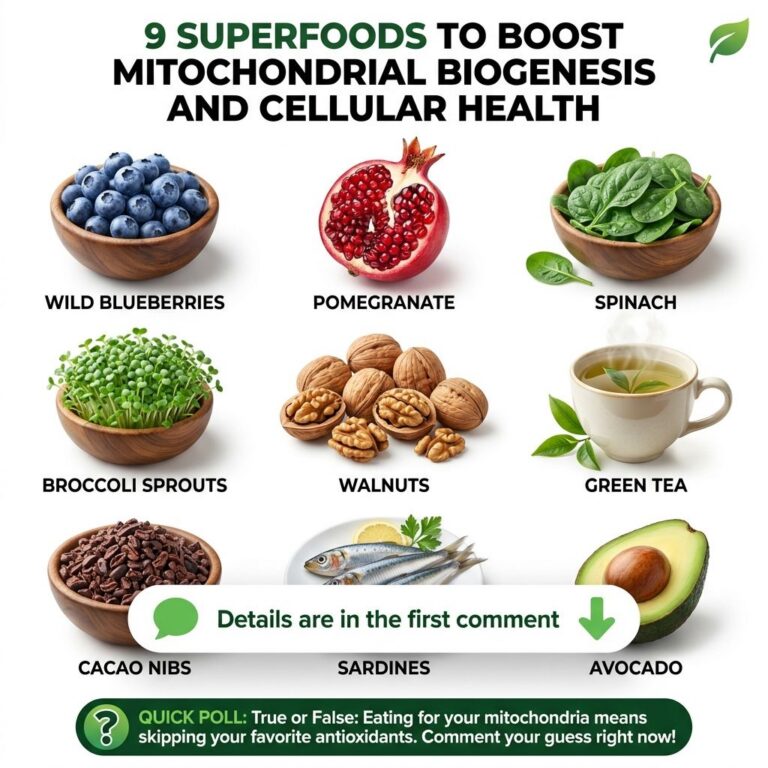
The 9 Powerhouse Superfoods for Cellular Vitality
Here are nine incredible superfoods that can make a significant difference in your mitochondrial and cellular health:
1. Wild Blueberries
These small but mighty berries are packed with anthocyanins, powerful antioxidants that give them their deep blue hue. Anthocyanins help protect cells, including mitochondria, from oxidative stress and inflammation. Regular consumption of wild blueberries may support cognitive function and promote cellular repair, crucial for maintaining robust energy production.
2. Pomegranate
Pomegranates are rich in unique antioxidants like punicalagins and ellagic acid. These compounds have been shown to support cellular health by combating oxidative damage and promoting cellular regeneration. The bioactive compounds in pomegranate may also help improve blood flow, ensuring that cells receive ample oxygen and nutrients for optimal mitochondrial function.
3. Spinach
This leafy green vegetable is a nutritional powerhouse, loaded with vitamins (especially K, A, and C), minerals (iron, magnesium), and powerful phytonutrients like chlorophyll and carotenoids. Spinach’s high antioxidant content helps neutralize free radicals, protecting mitochondrial membranes and supporting the overall efficiency of energy production within cells.
4. Broccoli Sprouts
Broccoli sprouts are incredibly rich in sulforaphane, a potent compound known for its ability to activate the Nrf2 pathway. This pathway is a master regulator of the body’s antioxidant and detoxification systems, playing a vital role in protecting mitochondria from damage and stimulating the production of new, healthy mitochondria (mitophagy and biogenesis). Just a small amount can deliver significant benefits.
5. Walnuts
Walnuts are an excellent source of alpha-linolenic acid (ALA), a plant-based omega-3 fatty acid, along with numerous polyphenols. These components work together to reduce inflammation and oxidative stress throughout the body. Omega-3s are crucial for maintaining the integrity of cell membranes, including those of the mitochondria, allowing for efficient nutrient exchange and waste removal.
6. Green Tea
Celebrated for centuries, green tea contains epigallocatechin gallate (EGCG), a catechin with remarkable antioxidant and anti-inflammatory properties. EGCG has been extensively studied for its ability to support mitochondrial biogenesis, protect mitochondria from damage, and enhance their overall function, contributing to sustained energy levels and cellular longevity.
7. Cacao Nibs
Raw cacao nibs are one of the richest sources of flavonoids and other antioxidants. These compounds help improve cardiovascular health by supporting healthy blood flow, which in turn ensures that oxygen and essential nutrients are efficiently delivered to every cell. This improved circulation is vital for mitochondrial function, allowing them to produce energy effectively and stave off cellular damage.
8. Sardines
These small, oily fish are a fantastic source of EPA and DHA, two types of omega-3 fatty acids crucial for cellular health. Omega-3s are integral components of cell membranes, influencing their fluidity and function. They also possess powerful anti-inflammatory properties that protect mitochondria from damage and support their energy-producing capacity. Sardines also offer Vitamin D and B12, important for metabolic health.
9. Avocado
Avocados are renowned for their healthy monounsaturated fats, which are essential for cell membrane health and nutrient absorption. They also provide a good source of vitamins E and C, crucial antioxidants that protect cells from oxidative stress. The fiber, potassium, and B-vitamins in avocados further support overall metabolic function and energy pathways, directly benefiting mitochondrial health.
Integrating These Superfoods into Your Daily Diet
Incorporating these superfoods into your meals is simpler than you think. Try adding wild blueberries and cacao nibs to your morning smoothie or oatmeal. Sprinkle broccoli sprouts and walnuts over salads or sandwiches. Enjoy a handful of pomegranate seeds as a snack, or add spinach to almost any dish, from eggs to stir-fries. Sip on green tea throughout the day, and consider sardines on toast or in salads for a quick, nutrient-dense lunch. Avocados are versatile and can be added to salads, spreads, or enjoyed on their own.
Remember, consistency is key. Making small, sustainable changes to your diet can lead to significant improvements in your cellular health and overall well-being.
Final Thoughts
Empowering your body’s cellular engines — your mitochondria — is a foundational step towards enhanced energy, vitality, and a healthier future. The good news is that this empowerment comes in the form of delicious, accessible superfoods. By prioritizing foods like wild blueberries, pomegranate, spinach, and the other powerhouses on this list, you’re not just eating well; you’re investing in the very core of your health. Embrace these nutrient-rich choices to nourish your cells, boost your energy, and enjoy the profound benefits of peak cellular health.
Medical Disclaimer
The information provided in this article is for informational purposes only and does not constitute medical advice. Always consult with a qualified healthcare professional before making any decisions about your health, diet, or treatment plans, especially if you have existing medical conditions or are taking medication. Individual results may vary.