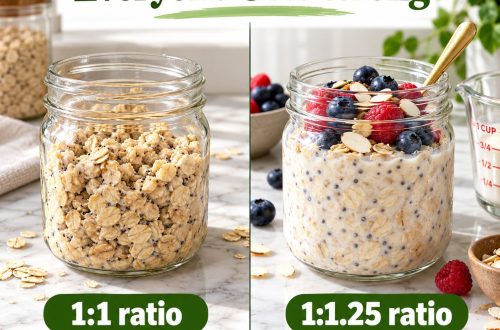
In the quest for sustainable wellness and effective weight management, many are turning to natural solutions. One fascinating area of focus is GLP-1, a powerful hormone that plays a crucial role in appetite regulation, blood sugar control, and metabolic health. Often associated with certain medications, GLP-1 can also be naturally enhanced through the foods we eat.
Imagine leveraging the power of your plate to support your body’s innate ability to feel full, manage cravings, and stabilize energy. This article will explore three essential food categories—Fiber-Rich Foods, Lean Proteins, and Healthy Fats & Probiotics—that can naturally boost your GLP-1 levels, helping you on your wellness journey. Discover how incorporating these simple yet potent ingredients into your diet can make a significant difference.
Understanding GLP-1: Your Natural Satiety Hormone
GLP-1, or Glucagon-Like Peptide-1, is a hormone produced in the gut that performs several vital functions related to metabolism and appetite. When you eat, GLP-1 is released, signaling to your brain that you’re full, which helps reduce food intake and promote a feeling of satiety. Beyond appetite control, GLP-1 also:
- Stimulates insulin release from the pancreas in a glucose-dependent manner, helping to lower blood sugar levels.
- Slows gastric emptying, meaning food stays in your stomach longer, further contributing to feelings of fullness.
- May contribute to the preservation of pancreatic beta-cell function, crucial for insulin production.
By naturally boosting GLP-1, you’re not only supporting healthy weight management but also enhancing overall metabolic health and potentially improving blood sugar control. This natural approach empowers your body’s own systems to work more efficiently.
Fiber-Rich Foods: The Foundation for Satiety and Gut Health
Fiber is a cornerstone of a healthy diet, especially when it comes to boosting GLP-1. Soluble fiber, in particular, forms a gel-like substance in the digestive tract, slowing down digestion and nutrient absorption, which can lead to increased GLP-1 release.
Berries: Sweetness with a Purpose
Fiber-packed berries, such as blueberries, raspberries, and strawberries, are a delicious way to support your GLP-1 levels. Their high fiber content helps slow down digestion, keeping you feeling full for longer, and prevents rapid spikes in blood sugar. Berries also contain antioxidants and support a healthy gut microbiome, which is intrinsically linked to hormone regulation and overall wellness. Incorporating a handful of berries into your morning oatmeal or a healthy smoothie is a simple yet effective strategy for a high protein breakfast.
Avocado: Healthy Fats Meet Fiber Power
Avocados are a unique fruit, rich in both fiber and monounsaturated healthy fats. This powerful combination promotes significant satiety, helping to curb hunger and reduce overall calorie intake. The healthy fats in avocados also contribute to stabilizing blood sugar levels, preventing the energy crashes that can lead to cravings. Enjoy avocado in salads, on whole-grain toast, or blended into creamy dressings.
Asparagus: The Prebiotic Powerhouse
Asparagus stands out as a prebiotic powerhouse, meaning it contains specific fibers that feed beneficial gut bacteria. A thriving gut microbiome is essential for optimal health, and research suggests it plays a role in GLP-1 production. By nourishing your good gut bacteria, asparagus supports your body’s natural GLP-1 pathways and can help reduce inflammation, contributing to better metabolic function. Steam it, roast it, or add it to stir-fries for a flavorful and functional boost.
Lean Proteins: Building Blocks for Metabolism and Satiety
Protein is well-known for its role in satiety, making it an excellent choice for weight management. Lean protein sources, in particular, can stimulate GLP-1 release and help maintain stable blood sugar levels.
Salmon: Omega-3 Rich Support
Wild-caught salmon is not only an excellent source of lean protein but also loaded with beneficial omega-3 fatty acids. These essential fats are crucial for supporting a healthy metabolism and reducing systemic inflammation, both of which are critical for optimal GLP-1 receptor sensitivity. Regular consumption of salmon can help your body respond more effectively to its natural GLP-1 signals, contributing to better appetite control and overall health. Aim for two servings a week as part of a balanced diet.
Chicken Breast: Essential for Sustained Energy
Skinless chicken breast is a go-to source of lean protein, making it a staple for anyone focusing on satiety and muscle health. Its high protein content significantly boosts feelings of fullness, helping you feel satisfied with smaller portions. Furthermore, chicken breast plays a role in stabilizing blood sugar levels, preventing the highs and lows that can derail healthy eating habits. As an essential component for muscle repair and growth, it supports a healthy, active metabolism. Incorporate it into healthy meal prep ideas for convenient, high protein low calorie meals.
Healthy Fats & Probiotics: Fueling Hormonal Balance and Gut Diversity
Beyond fiber and protein, certain healthy fats and probiotic-rich foods also play a pivotal role in modulating GLP-1 and supporting overall metabolic and digestive health.
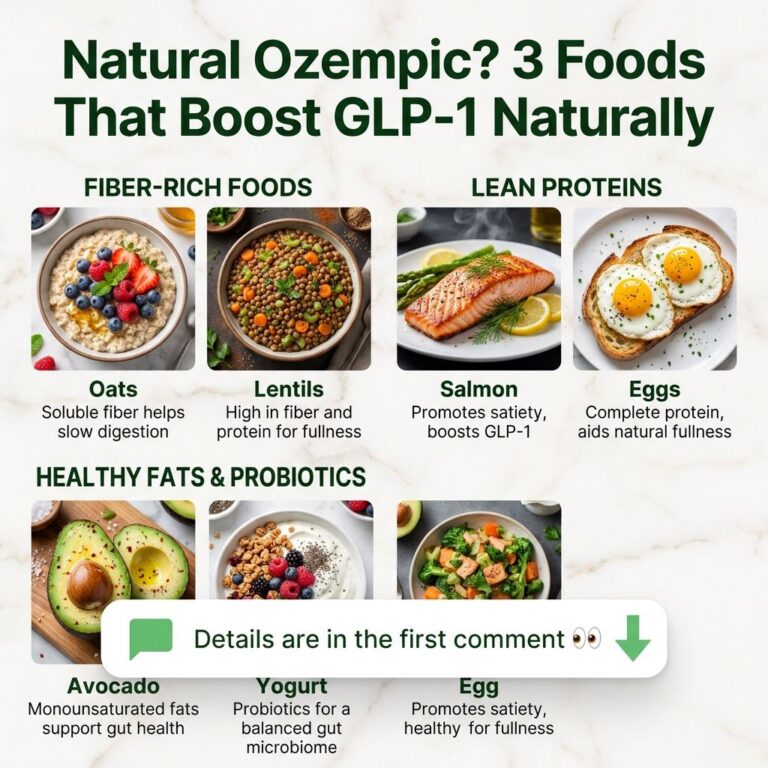
Eggs: Choline and Vitamin D for Wellness
Often considered a perfect protein, eggs also provide key nutrients that support GLP-1 pathways. They contain choline, an essential nutrient involved in fat metabolism and liver function. Furthermore, eggs are one of the few natural food sources of vitamin D, which is vital for hormone balance and immune support. A balanced hormonal system and healthy gut function, which eggs can support, are both beneficial for natural GLP-1 production and signaling. Enjoy eggs boiled, scrambled, or as part of a nourishing omelet for a high protein breakfast.
Fermented Foods (Kefir, Sauerkraut, Kimchi): Boosting Your Microbiome
Fermented foods like kefir, sauerkraut, and kimchi are powerhouses of probiotics, beneficial bacteria that significantly improve gut microbiome diversity. A healthy and diverse gut microbiome is increasingly linked to increased GLP-1 levels and better overall digestion. These foods introduce live cultures that can help rebalance your gut, optimize nutrient absorption, and support the intricate communication between your gut and brain that influences satiety and mood. Regularly adding fermented foods to your diet is an excellent strategy for gut health and GLP-1 enhancement. Look for best overnight oats containers if you want to prep kefir-based overnight oats.
Integrating GLP-1 Boosting Foods into Your Daily Diet
Making these GLP-1 boosting foods a regular part of your diet doesn’t have to be complicated. Here are some simple ways to incorporate them:
- Breakfast Boost: Start your day with a high-fiber, high-protein breakfast. Think Greek yogurt with berries and a sprinkle of chia seeds, or scrambled eggs with a side of avocado.
- Lunch & Dinner: Build your meals around lean protein like salmon or chicken breast, complemented by plenty of asparagus and a side salad with avocado.
- Snack Smart: Opt for a small bowl of kefir or a handful of berries for a satisfying, GLP-1 friendly snack.
- Meal Prep: Utilize tools like the best meal prep containers to prepare meals and snacks in advance, ensuring you always have healthy options readily available.
Remember, consistency is key. Small, sustainable changes can lead to significant improvements in your well-being.